


 Lawrence Walton
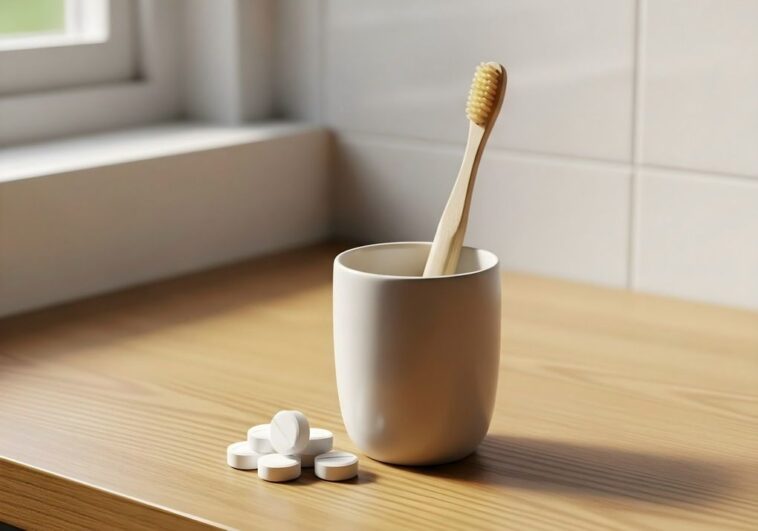
Dental hygiene feels like a personal matter detached from planetary welfare. Yet our collective oral care habits fuel millions of plastic toothbrushes heading to landfills annually in the U.S. alone.
The combined consequences require us to upgrade even our most basic self-care to be more environmentally conscious.
Interconnected Impacts

When most people toss a toothpaste tube or old toothbrush into the bin, the consequences seem contained to their home. But that waste doesn’t disappear — it enters a global system where even minor personal habits ripple into much larger environmental problems.
The connection between what we do in the bathroom and what happens in the ocean or food chain is surprisingly tight, and becoming harder to ignore.
Several hidden outcomes of daily oral care routines now show how much our habits affect the world around us:
- Marine wildlife suffers from plastic waste. Beached whales, dolphins, and seals are increasingly found with stomachs full of hard plastic — often remnants of common household items like toothbrush handles or floss containers.
- Toxic ingredients climb the food chain. Fluorides, microbeads, and synthetic additives from dental products wash into waterways and are consumed by small organisms, eventually reaching higher species, including humans.
- Microplastics pollute soil and water. As toothpaste tubes and packaging break down, they release microscopic plastic fragments that disrupt ecosystems and cling to bacteria, allowing pathogens to travel farther.
- Over-packaging wastes resources. Branding-heavy packaging, multiple protective layers, and non-recyclable materials use up water, energy, and raw materials — without adding functional value.
Each of these outcomes may seem distant from brushing your teeth. But they’re not. They’re the result of millions of small decisions made daily, collectively shaping our environmental footprint.
Tip: Start by looking at your next oral care purchase and asking: Will this still be polluting the planet a hundred years from now? If the answer is yes, there’s probably a better option on the shelf.
Accelerating Momentum
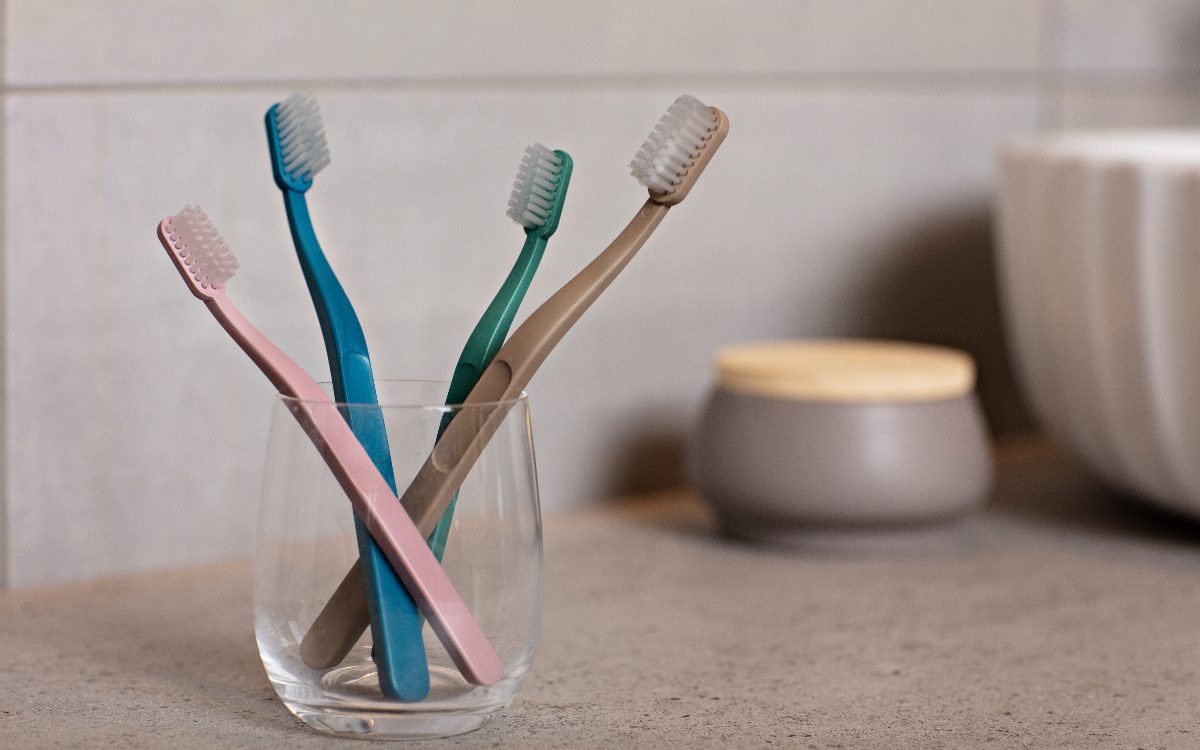
Momentum for sustainable oral care isn’t just growing quietly — it’s accelerating across policy, business, and consumer behavior. Cities around the world are introducing bans on single-use plastics, prompting oral care companies to rethink how they package and distribute products.
But legislation is only part of the push. More consumers are now asking real questions about what happens after the toothbrush or toothpaste is used — not just whether it’s effective, but whether it was responsibly made and can be responsibly discarded.
That kind of scrutiny is changing the market. Green claims alone no longer satisfy. People want proof, and governments are starting to demand it too, with new regulations that require companies to invest in recycling systems and waste reduction.
Brands that get ahead of these shifts — instead of waiting to be forced — are positioning themselves as leaders in a rapidly evolving space.
Opportunities for Leadership
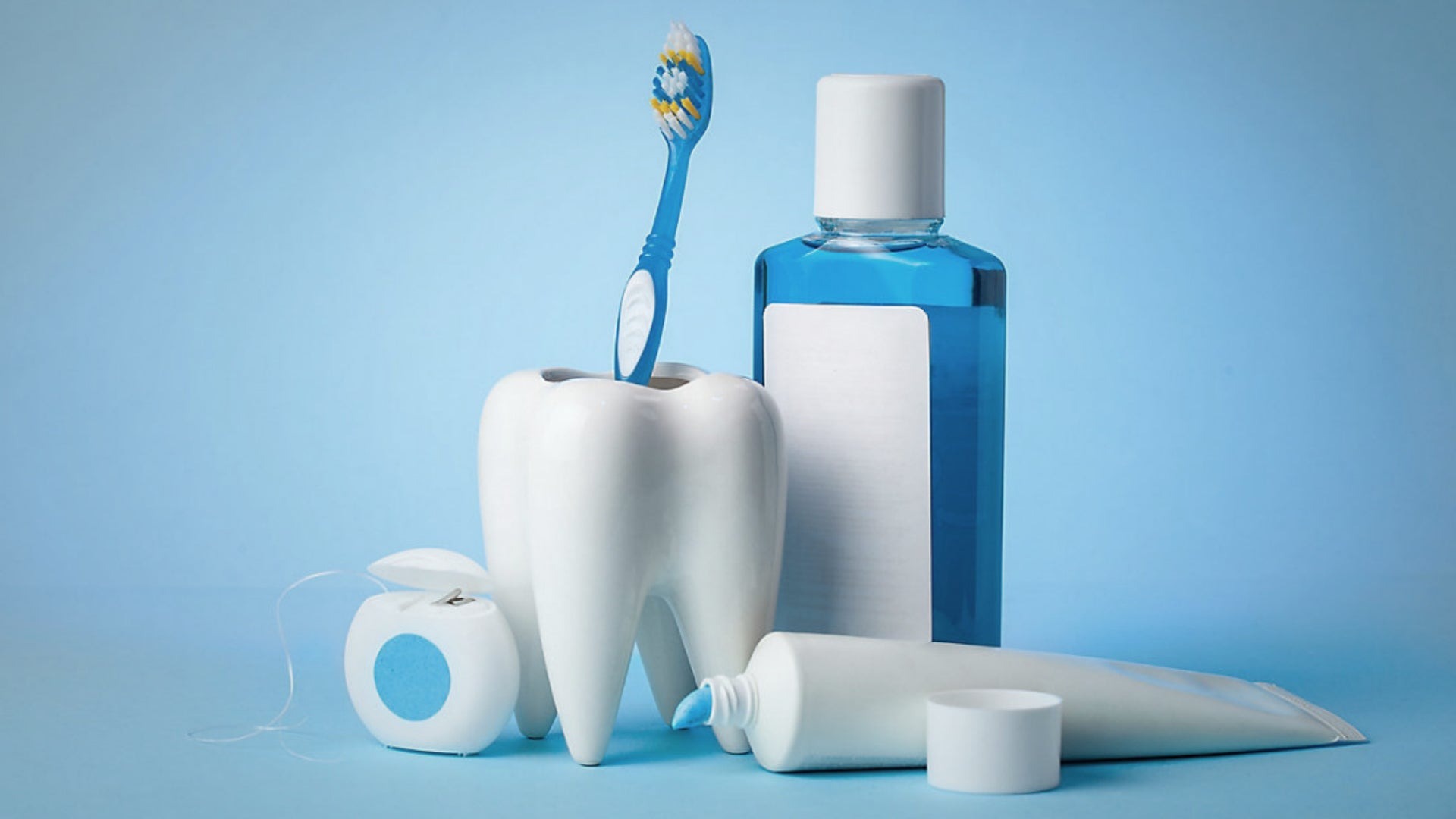
True leadership in the oral care industry now means moving ahead of regulations rather than simply reacting to them.
Brands that want to lead must embrace sustainable materials, like bamboo handles and ethically sourced ingredients while reformulating pastes and rinses to eliminate toxins, irritants, and harmful microbeads.
Packaging should be simplified, focusing only on what’s necessary for protection, not marketing excess. Forward-thinking companies are also investing in offset programs that support recycling and habitat restoration, while helping customers dispose of products properly — not down the sink or into the trash.
Education is part of the responsibility too, guiding consumers to see how oral care choices affect broader environmental systems.
Businesses that commit to meaningful change now aren’t just improving their image; they’re building trust and loyalty in a market that’s increasingly defined by conscious consumption.
Essentials of Eco-Friendly Oral Care
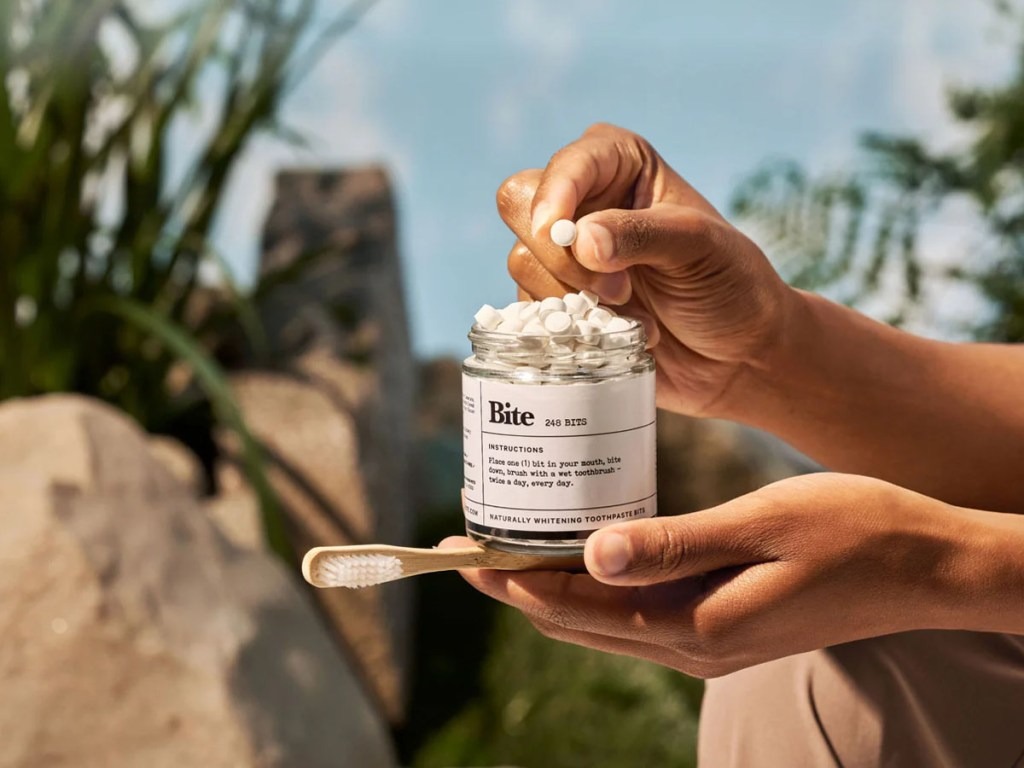
According to the people at Ecofam, eco-friendly sustainable oral care involves evaluating brands more holistically on:
- Renewability: Can source crops regenerate quickly without degrading soil health over repeat harvests?
- Reusability: Do handle components last for years while letting users refresh only replaceable parts?
- Recyclability: Can worn products decompose back to nutrients in compositing facilities instead of landfills?
- Upcycling: Do formulas creatively integrate waste streams from one process into oral care inputs?
- Energy Management: How does production, use phase and disposal net out on total carbon footprint?
- Equity: How are global partners across the value chain empowered and ethically engaged?
Only oral wellness brands aligning positives across all dimensions merit the label of authentically eco-friendly with interdependent sustainability at their core.
Our Role Going Forward
While businesses play a crucial part in shaping sustainable oral care, long-term progress depends on everyday actions by individuals.
Each purchase, habit, and disposal decision contributes to a broader movement. When multiplied across millions of households, those choices can shift entire industries toward more responsible practices.
- Research Carefully: Investigate brands’ sustainability claims thoroughly against the criteria above.
- Vote with Dollars: Make purchase choices consciously supporting the most credible companies, leading markets to higher standards.
- Upgrade Habits: Swap out conventional gear for eco-alternative components with reusable bases and detachable renewals.
- Recycle Properly: Follow guidelines ensuring used products get appropriately processed rather than discarded as trash.
The aggregated impact of small, repeated actions has the power to reshape systems from the ground up. A healthier, more sustainable oral care future doesn’t just start in boardrooms — it begins in our own bathrooms.
Conclusion
The aggregated impact of small, repeated actions has the power to reshape systems from the ground up. A healthier, more sustainable oral care and dental health future doesn’t just start in boardrooms — it begins in our own bathrooms.
Each time we choose a recyclable product, question a brand’s ethics, or properly dispose of a used item, we signal what kind of future we’re willing to support. Change doesn’t require perfection; it requires consistency and intention.
These habits — seemingly minor on their own — build collective pressure that companies and policymakers can’t afford to overlook. The responsibility is shared, but the daily decisions rest with each of us. The future of oral care and dental health isn’t just in the hands of manufacturers. It’s also in yours.
