


 Kristina Chan
Key Points
- Overeating and alcohol during holidays can throw your digestion off balance.
- Hydration, movement, and fiber are your gut’s top allies post-vacation.
- You don’t need a cleanse—just small, science-backed steps that support gut repair.
- The gut-brain connection means stress and travel impact your digestive rhythm.
- Real relief begins with consistent routines and whole-food swaps.
The Aftermath of a Binge: What’s Actually Happening?

Let’s be real—vacations and holidays are often less about “mindful indulgence” and more about second helpings, third cocktails, and a disrupted sleep schedule. That’s fine. You’re human. But what happens next is your digestive system sounding a quiet alarm: bloating, sluggish bowel movements, mood dips, even cravings that seem louder than before.
What you’re experiencing isn’t failure—it’s feedback. Your gut is highly responsive to environmental shifts. Jet lag, late-night dinners, processed foods, and alcohol all influence your microbial balance, enzyme production, and bowel rhythm.
Instead of jumping into a restrictive detox, your body needs to recalibrate gently—kind of like how you’d restart a computer when it’s acting slow. The difference? You’ll be using food, habits, and hydration—not juice cleanses.
First Step: Hydrate and Pause the Damage
After a weekend (or week) of indulgence, your gut lining may be inflamed and your system mildly dehydrated. This affects everything from motility (how food moves) to microbial function.
Start here:
- Water first thing in the morning (with lemon if you tolerate it) helps flush excess sodium and alcohol byproducts.
- Cut the processed sugar for a few days—not forever—just long enough to calm the rollercoaster of blood sugar spikes.
- Avoid ibuprofen if your stomach’s already inflamed. Try ginger tea or turmeric instead for mild gut soothing.
If your sleep’s off, that also hits digestion. Prioritize wind-down rituals—no screens in bed, magnesium baths, low lighting after 9 PM. Your gut microbes sync with your circadian rhythm, so sleep hygiene matters more than you think.
Restore Rhythm: Real Food, Gentle Movement, and Support
Once you’ve hydrated and paused the sugar parade, it’s time to bring in the stabilizers—fiber, movement, and specific foods that “feed” your gut in a way a green juice just won’t.
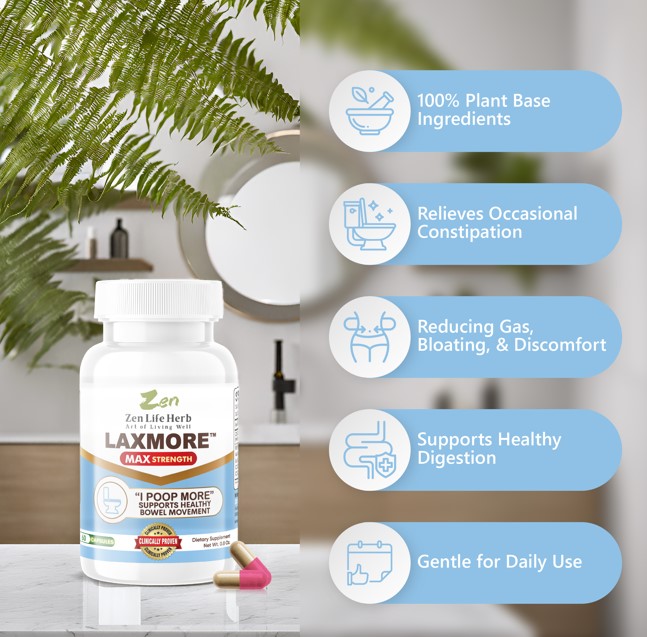
Many people find it helpful to add targeted digestive support in this phase—like boost digestive balance supplements designed to reintroduce beneficial bacteria and encourage healthy motility. It’s not about replacing real food but partnering with it.
Daily gut-reset habits that work:
- Start the day with a fiber-rich breakfast: Overnight oats, chia pudding, or avocado toast on whole grain sourdough.
- Walk after meals, even for 10–15 minutes, to stimulate peristalsis (the muscle movement of your intestines).
- Fermented foods like kimchi, kefir, or unsweetened yogurt reintroduce good bacteria without requiring huge portions.
- Cooked vegetables over raw, at least in the first few days—your gut needs gentle fuel.
- Skip intense HIIT or fasting—both can stress the body more. Think walking, yoga, or light strength training to re-sync.
This is where many people go wrong—they try to punish themselves with restriction instead of realignment.
Focus on Fiber and Gut Diversity, Not Cleanses
Fiber isn’t just “bulk.” It’s the favorite food of your gut flora. After a weekend of cheese boards, pastries, and hotel food, you probably didn’t eat much of it.
There are two types your body loves:
- Insoluble fiber (e.g., leafy greens, bran) helps sweep things along.
- Soluble fiber (e.g., oats, sweet potatoes, apples) slows digestion and feeds beneficial bacteria.
To truly reset your digestion, aim to include both daily. Diversity is also key—your microbes thrive when you eat different types of plant-based foods throughout the week.
Aim for 20+ different plant-based foods per week: lentils, almonds, arugula, fennel, flax, berries, squash—you get the idea.
Going from 10g to 30g fiber overnight can make you feel worse. Increase gradually with plenty of water.
Travel + Gut: Why the Combo Often Feels Terrible
Ever notice how travel constipation or diarrhea is a near-universal experience? That’s no coincidence. A few reasons:
- Airport food and airplane dehydration
- Different time zones = different pooping schedule
- Unfamiliar microbes in food and water
- Stress or overstimulation (yes, even excitement is stress)
When you get home, your gut is trying to find its footing again.
Here’s how to support that:
- Return to consistent mealtimes, even if you’re not super hungry yet.
- Get morning light on your face within 30 minutes of waking—this resets your body clock, and your gut follows suit.
- Keep caffeine under control—it can overstimulate digestion when you’re already out of rhythm.
Emotional Bloat: Yes, It’s a Real Thing
Sometimes bloating isn’t just physical. It’s emotional. You get back from a chaotic family weekend or an exhausting bachelorette trip, and your stomach just… locks up. That’s not imaginary.
The gut-brain axis is real and bidirectional. Your vagus nerve connects your emotional state to your digestive flow. When you’re anxious, your body slows digestion. When you’re relaxed, it resumes.
Support your nervous system to support digestion:
- Breathwork before meals (4-4-6 breathing works well).
- Eat without scrolling—multitasking signals “threat” to the nervous system.
- Gentle abdominal self-massage or heating pad after dinner.
You don’t need to meditate for hours—just shift out of stress mode before you eat. It’ll help more than any probiotic can.
What to Avoid During a Reset (And Why)

Let’s skip the vague “avoid toxins” language. Here’s what to actually avoid while your gut recalibrates:
| Avoid | Why It Matters |
| Excess caffeine | Disrupts motility, increases cortisol |
| Carbonated drinks | Can increase bloating and gas |
| Ultra-processed snacks | Feed less-friendly gut bacteria |
| Laxatives | Can create dependency and worsen gut motility long-term |
| Drastic restriction | Slows metabolism, increases stress |
You don’t need to be perfect—just protective. Focus more on what you add than what you cut.
The 3-Day Reset Routine (Sample)
Here’s a rhythm you can follow without counting macros or skipping joy.
Morning:
- Warm lemon water
- Walk or gentle yoga
- Fiber-rich breakfast (oats + chia + berries + flax)
Midday:
- Light, protein-rich lunch (e.g., lentil salad with olive oil + avocado)
- Walk or stretch post-meal
- Herbal tea (fennel or ginger for digestion)
Evening:
- Cooked veggies + lean protein + fermented topping
- No screens while eating
- Magnesium or calming tea
- Dim lighting, early wind-down
Final Thoughts: Small Shifts, Big Impact

Resetting your digestion isn’t a dramatic event. It’s a recalibration. A signal to your body that you’re listening. No punishments, no weird supplements (unless they’re well-designed), and no guilt over the second slice of vacation cake.
If you treat your gut like a partner in your wellbeing—not just a system to be “fixed”—you’ll find balance faster, and stay there longer.
Your digestion has memory. And with a little consistency, it forgives fast.
FAQs (Not Covered Above)
How long does it take to reset the gut after a binge?
Most people feel better in 3–5 days with consistent hydration, fiber, and reduced stress.
Are probiotics necessary after vacation?
Not always. They can help, but focus first on fermented foods and fiber before turning to pills.
Can I exercise intensely to speed things up?
Moderate movement helps. Intense workouts may stress your system more in the early reset phase.
Does alcohol affect my microbiome?
Yes—especially if consumed in large quantities. It can reduce microbial diversity temporarily.
Is intermittent fasting helpful after vacation?
It depends on your current health. For some, shortened eating windows help regulate rhythm, but it’s not necessary for everyone.
