


 Alana Harrington
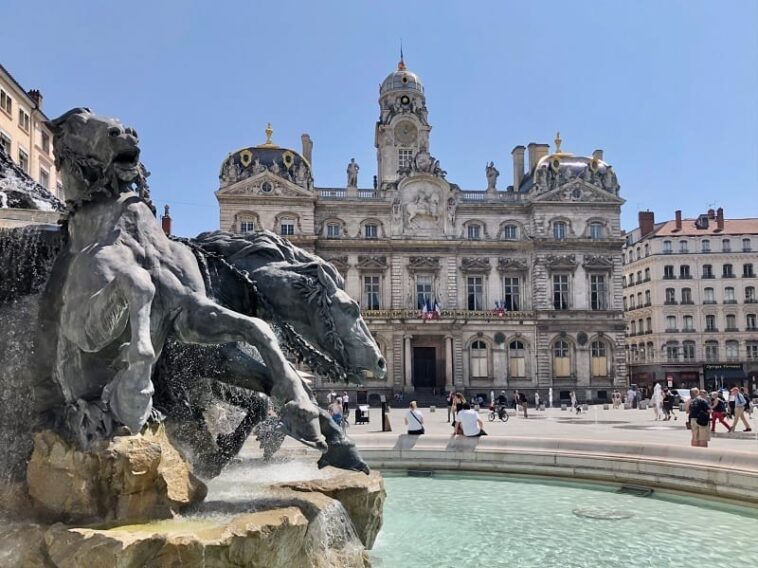
Lyon is often called the gastronomic capital of France, but it is also a city where Roman ruins, Renaissance architecture, and modern neighborhoods coexist in harmony.
Travelers who make their way here usually find themselves absorbed not only in the food culture but also in the history and cultural richness that seem to echo from every corner.
This guide outlines the very best things to do in Lyon, touching on culture, history, and cuisine in a way that helps visitors plan a trip with both depth and delight.
Key Points
- Lyon blends Roman heritage, Renaissance old quarters, and contemporary neighborhoods.
- The city is world-renowned for its cuisine, from bouchons to Michelin-starred dining.
- Unique experiences include strolling traboules, visiting basilicas, and tasting local wines.
- Neighborhoods like Croix-Rousse and Presqu’île offer art, culture, and shopping.
- Staying central, especially near Part-Dieu, provides the easiest access to all highlights.
Strolling Through Vieux Lyon
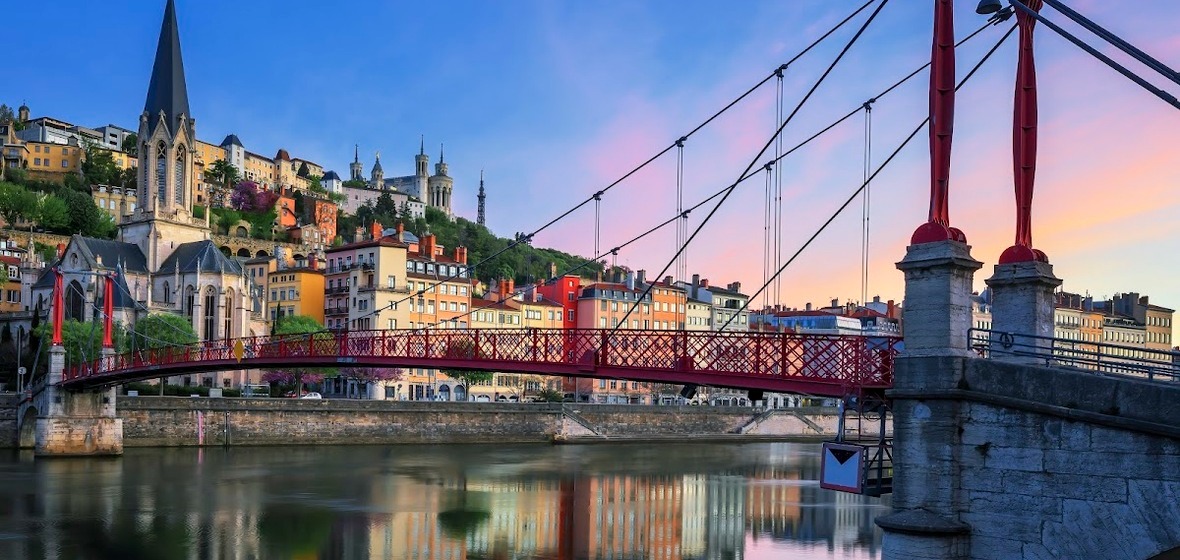
The old town, Vieux Lyon, is one of the most atmospheric places to begin a journey. Its cobblestone streets, Renaissance facades, and hidden passageways known as traboules immediately set the stage for what makes Lyon so special.
Many of these covered passages were once used by silk workers to move goods discreetly through the city, and today, they add an element of discovery for travelers who like to wander without a fixed agenda.
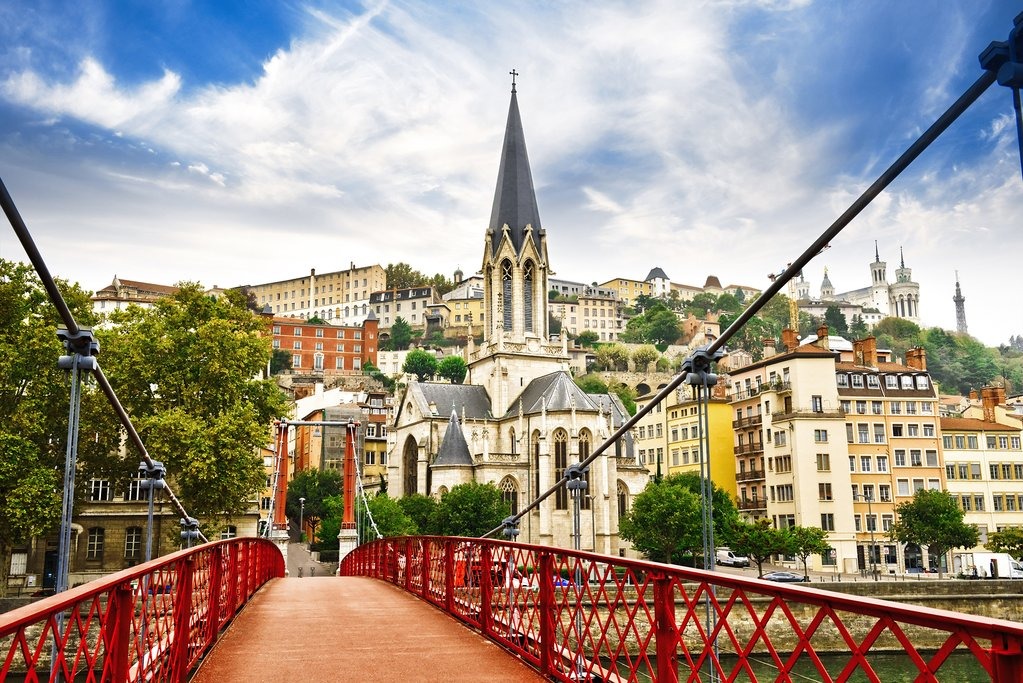
Stopping at Saint-Jean Cathedral is essential. Its gothic architecture, coupled with the astronomical clock inside, makes it one of the most notable monuments in the city. Just behind it, you can slip into quieter alleys that lead to traditional bouchons, small eateries where authentic Lyonnais dishes are still served.
Where to Stay: Convenience at Part-Dieu
Choosing the right base in Lyon can make a big difference in how you experience the city. Many visitors prefer staying near the Part-Dieu area because of its excellent transport connections, both to the airport and to the rest of the city.
It is also a modern commercial hub with shopping centers and business districts, yet still within reach of historic quarters.
For example, a Lyon Part Dieu hotel offers the advantage of being right next to the train station, while also giving you easy access to both Vieux Lyon and the Croix-Rousse.
This balance between convenience and accessibility makes it a practical choice, especially if your trip combines leisure with work or if you plan on taking day trips to nearby wine regions.
The Basilica of Notre-Dame de Fourvière
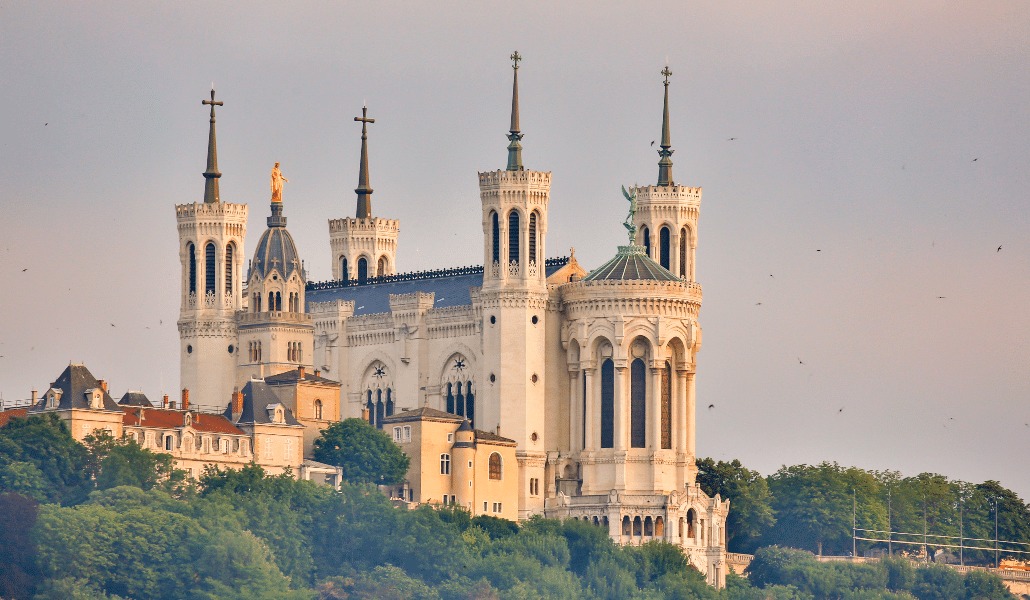
Rising above the city skyline, the Basilica of Notre-Dame de Fourvière is both a landmark and a lookout point.
The climb, either by funicular or on foot, rewards you with sweeping views over Lyon and the Rhône valley. Inside, the basilica’s mosaics and gilded details leave a lasting impression of grandeur.
Nearby lies the Roman theater, an amphitheater that hosts the annual Nuits de Fourvière festival, bringing together music, theater, and dance performances in a dramatic historic setting.
Standing in this space connects visitors to Lyon’s Roman past, still present and active in today’s cultural life.
Culinary Experiences in the Gastronomic Capital
Food is at the heart of Lyon’s identity. While Paris may lead in variety, Lyon remains the soul of traditional French cuisine. To experience it fully, you should make time for:
- Bouchons: Traditional restaurants serving dishes like quenelles, andouillette, and tablier de sapeur.
- Les Halles de Lyon Paul Bocuse: A covered market named after the legendary chef, where local producers and artisans showcase cheeses, charcuterie, wines, and pastries.
- Wine and Beaujolais tastings: The nearby Beaujolais and Côtes du Rhône regions make Lyon a natural hub for wine lovers.
Eating in Lyon is not just about meals, it is about connecting with traditions that have shaped French dining culture for centuries.
Exploring the Croix-Rousse District
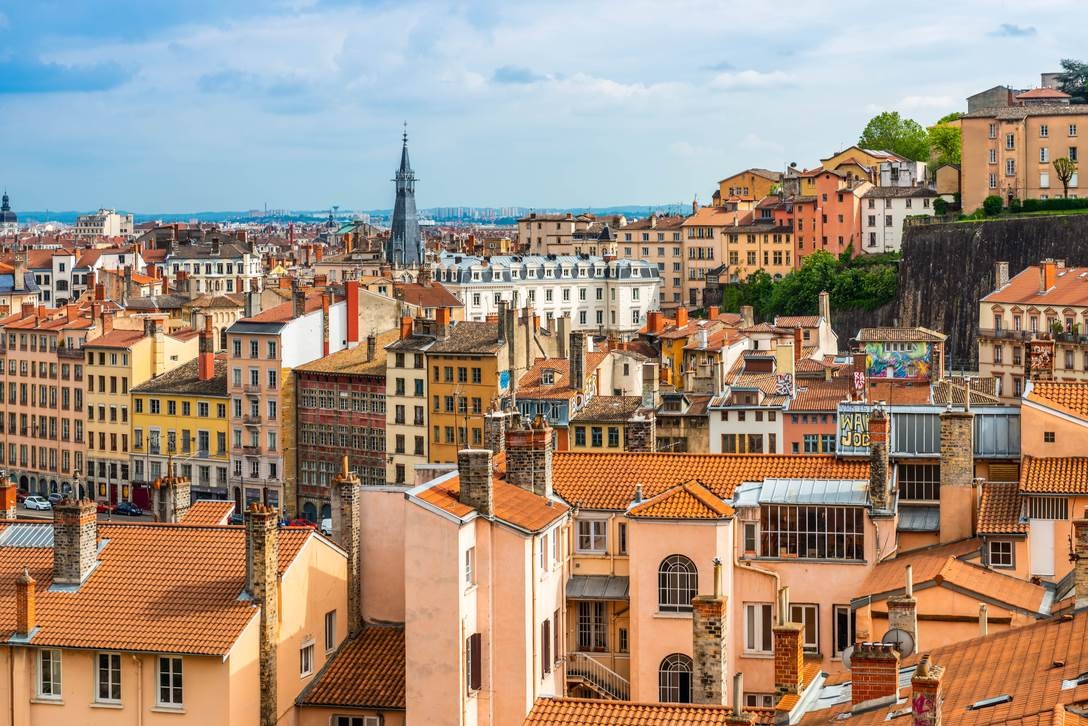
Once the center of the silk industry, Croix-Rousse still carries a creative, independent spirit. The steep slopes and painted murals reflect its working-class past and artistic present.
It is also where you can find another network of traboules, different in character from those in Vieux Lyon, yet equally fascinating.
Today, the area is filled with studios, boutiques, and cultural spaces.
Strolling here provides a sense of Lyon’s bohemian side, balancing the grandeur of Fourvière and the old town.
It’s ideal for travelers who enjoy exploring places that feel lived-in and less tourist-oriented.
The Presqu’île: Shopping, Squares, and Culture
Between the Rhône and Saône rivers lies the Presqu’île, the peninsula that forms the vibrant core of Lyon.
Its wide squares, such as Place Bellecour and Place des Terreaux, are framed by impressive architecture and public art.
This is also the main shopping district, with international brands lining Rue de la République and independent boutiques tucked into side streets.
Cultural institutions like the Museum of Fine Arts also sit here, offering a chance to see works by masters such as Rubens and Monet.
The blend of shopping, culture, and lively public spaces makes the Presqu’île one of the city’s most dynamic districts.
Embracing Lyon’s River Life
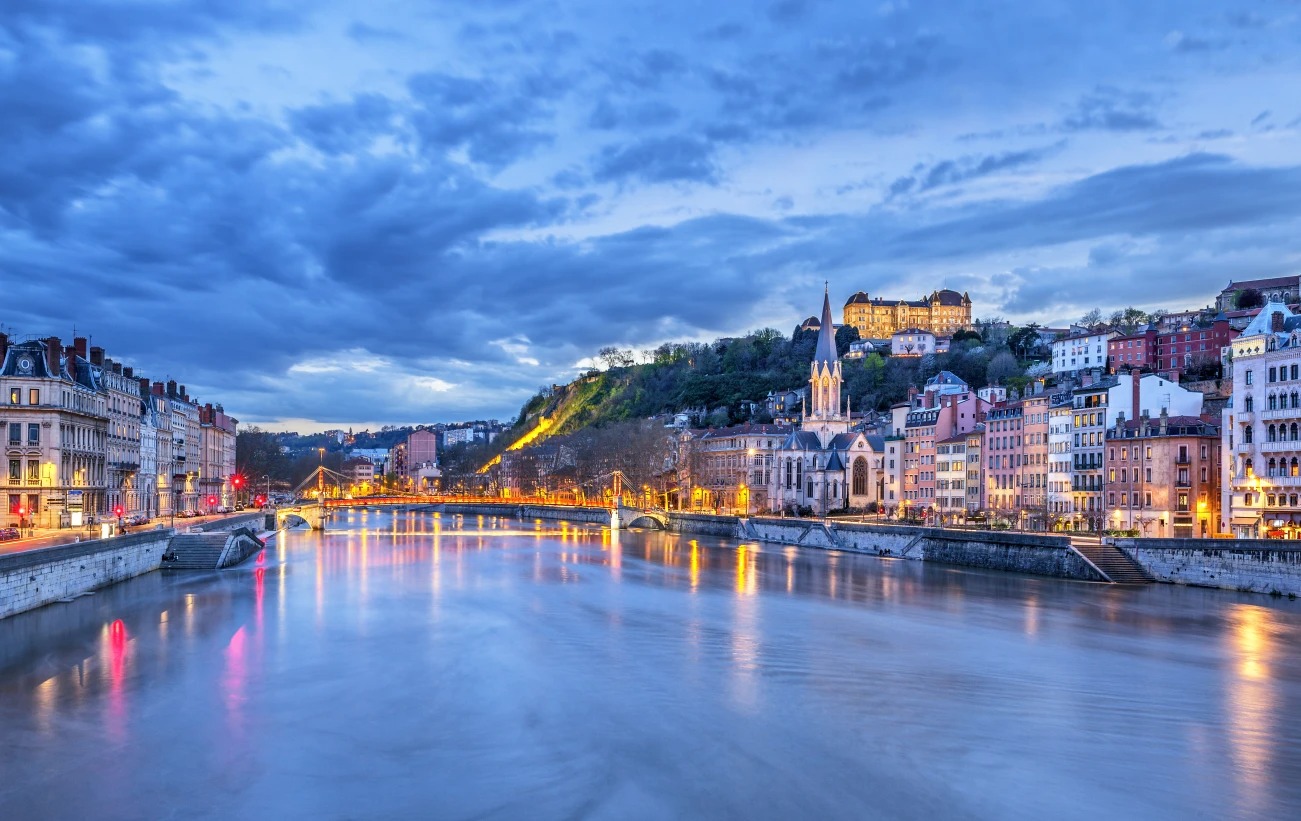
The rivers are more than geographical markers, they shape the daily life of the city. Walking along the banks of the Rhône or Saône is a simple but memorable activity.
The Rhône’s pathways are modern and lined with greenery, perfect for cycling or a long stroll, while the Saône side tends to feel more intimate, with cafes and historic views.
In warmer months, river cruises provide a different perspective on the city’s bridges and skyline. They can also connect you to wine villages further along the Saône, making them a practical and scenic option.
Contemporary Lyon: La Confluence and Modern Architecture
While much of Lyon celebrates its historic fabric, the Confluence district represents the city’s forward-looking side. Built on the site of former docks, it features striking modern architecture, eco-friendly urban design, and a growing number of galleries and shops.
Visiting this area shows another face of Lyon, one that reflects innovation and contemporary living. It also provides balance, ensuring that a trip here is not only about the past but also about how the city imagines its future.
Practical Tips for Visiting Lyon
- Best time to visit: Spring and autumn bring pleasant weather and fewer crowds, while December is special for the Festival of Lights.
- Getting around: The metro and tram system are reliable, but many of the highlights are best reached on foot.
- Day trips: Consider excursions to Beaujolais, Pérouges (a medieval village), or even Geneva, all accessible within a short train ride.
Conclusion
Lyon is not a city you rush through. It is a place that rewards time spent in neighborhoods, meals savored slowly, and streets explored without a strict plan.
From its Roman ruins to Renaissance alleys, from bouchons to gourmet markets, the city offers experiences that feel both authentic and enduring.
For travelers looking to immerse themselves in French culture beyond Paris, Lyon remains one of the best destinations to truly understand how history, cuisine, and community shape daily life.
