


 Alana Harrington
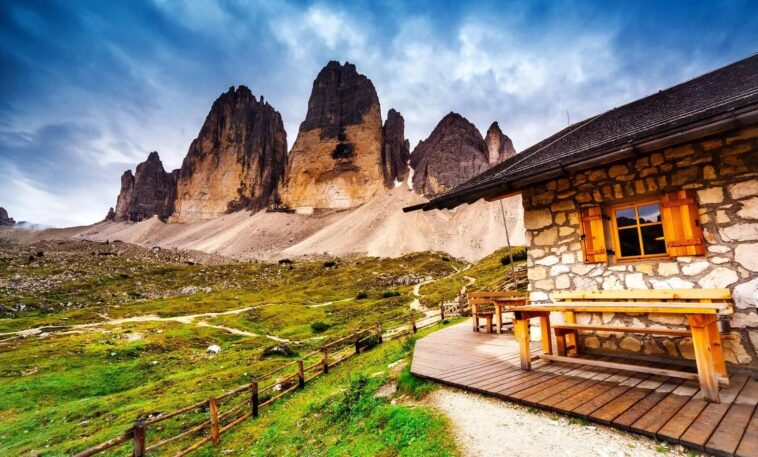
The Dolomites are more than just mountains – they’re an experience. Jagged limestone peaks, meadows sprinkled with wildflowers, and the distinct culture of South Tyrol come together to create one of Europe’s most breathtaking trekking destinations.
For travelers seeking an immersive adventure, hut-to-hut trekking in this UNESCO World Heritage Site is a chance to combine alpine beauty with cultural richness.
Instead of rushing through trails or sticking to one valley, hut-to-hut trekking lets you journey deeper – pausing at mountain rifugi, sharing meals with fellow hikers, and waking up to a new horizon each day.
It’s a style of travel that feels both adventurous and surprisingly accessible, even for those who aren’t hardcore mountaineers.
Why Hut-to-Hut Trekking in the Dolomites Feels Different
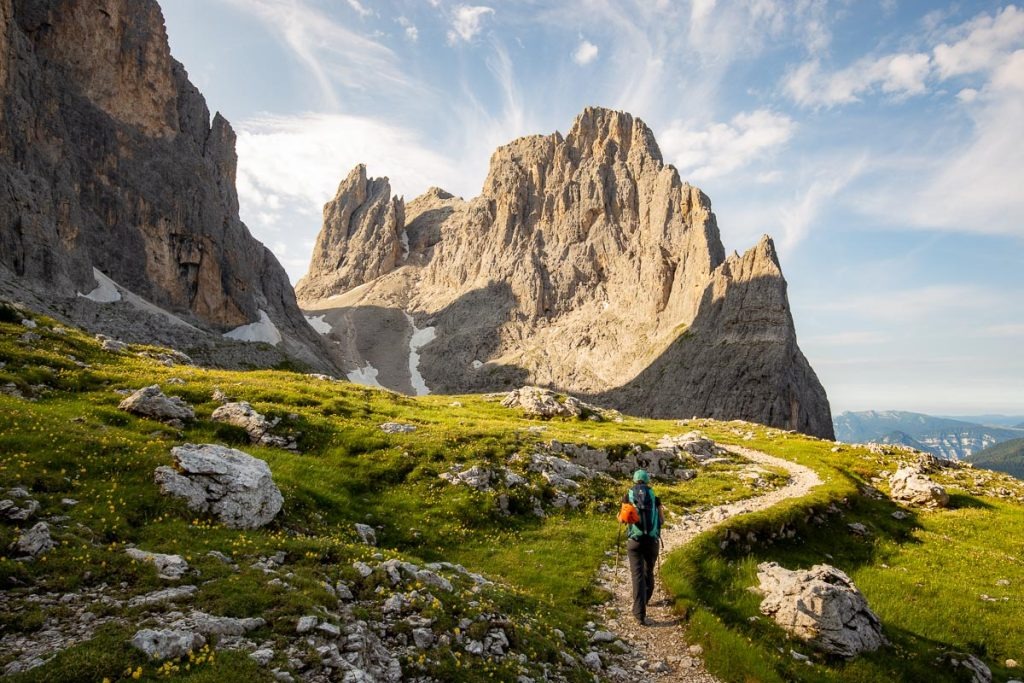
Trekking in the Dolomites isn’t just about covering ground; it’s about rhythm. Each day unfolds at a pace shaped by the mountains: steep ascents in the morning, rewarding ridge walks at midday, and cozy evenings in alpine huts.
Unlike wild camping, the hut system in the Dolomites is well-established and welcoming. These rifugi (mountain huts) aren’t bare shelters – many offer warm dorms or private rooms, hearty meals, and even a glass of local wine.
The mix of Italian and Austrian influences means you might end a long hike with pasta al ragù one evening and Tyrolean dumplings the next.
Choosing the Right Route
The Dolomites offer a wide range of hut-to-hut routes, from beginner-friendly long weekends to demanding multi-day crossings. Picking the right one depends on your fitness, available time, and appetite for challenge.
Some of the best options include:
- Alta Via 1: Often considered the classic route, this north-to-south traverse takes 10–12 days and offers varied scenery, accessible trails, and plenty of well-placed huts.
- Alta Via 2: A tougher choice for experienced trekkers, with steeper ascents and more rugged sections. The reward? Fewer crowds and wilder terrain.
- Puez–Odle Natural Park routes: Great for short but dramatic hikes, showcasing jagged peaks and sweeping views without requiring weeks of trekking.
- Tailored routes: Many outfitters now design customized itineraries, including family-friendly treks and shorter options. For many first-timers, starting with a three days hut-to-hut trek Dolomites itinerary is ideal. This compact route offers the essence of the Dolomites without demanding weeks of time off. You get a taste of rugged passes, alpine meadows, and charming huts – enough to spark a love for this trekking style while keeping logistics simple.
When choosing, think beyond the map. Do you want sweeping panoramas? Cultural encounters in small villages? Or a sampler trek that fits into a long weekend? The Dolomites can accommodate all of these approaches.
Life in the Rifugi
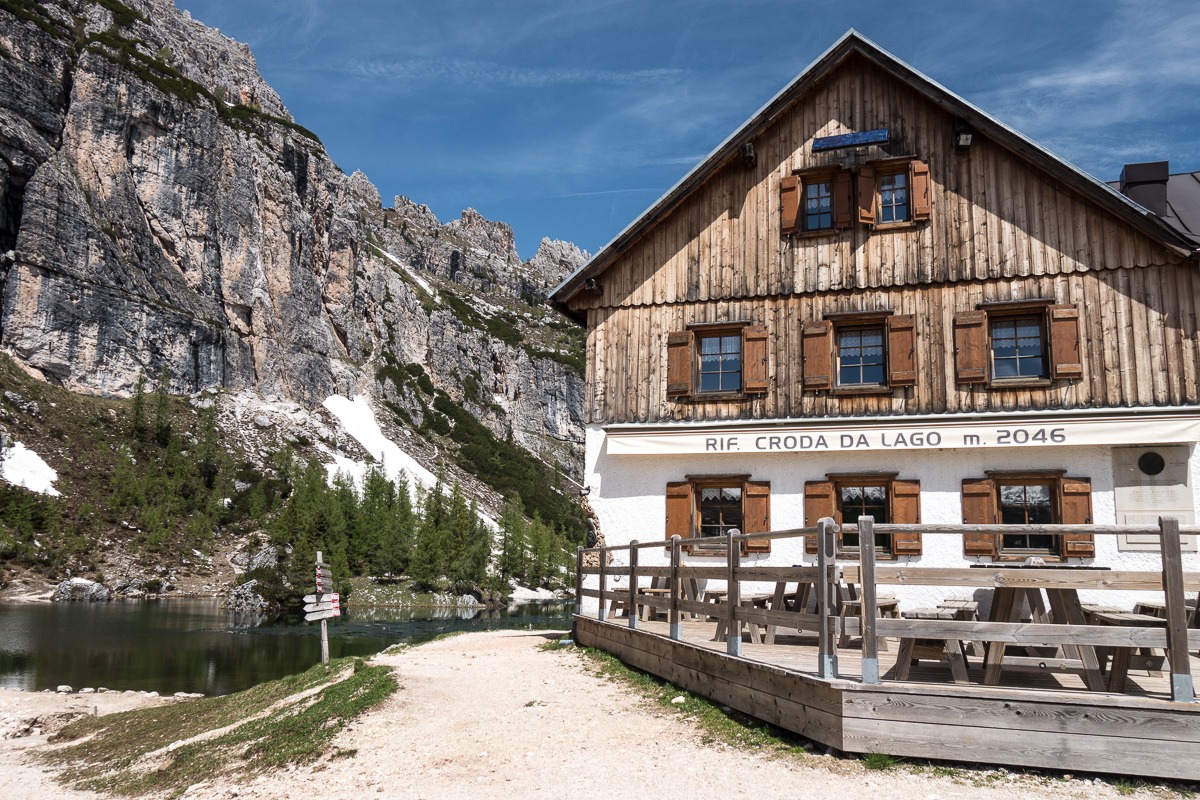
Part of the charm of trekking here is the hut culture itself. Arriving at a rifugio after a long day on the trail feels like stepping into a mountain community.
- Meals are communal, often with three-course dinners that bring together hikers from all over the world.
- Accommodations vary from shared dormitories with bunks to smaller private rooms in larger huts.
- Atmosphere tends to be social yet respectful, with an early-to-bed, early-to-rise rhythm that matches the demands of trekking.
It’s good etiquette to bring a lightweight sleeping bag liner, make hut reservations well in advance (especially July–September), and carry some cash since not all huts accept cards.
What to Pack for a Dolomites Trek
Even with huts providing meals and shelter, preparation is key. Weather in the Dolomites can shift quickly, and trails range from grassy slopes to rocky ridges.
A smart packing list should include:
- Layered clothing: Base layers, insulating mid-layers, and a waterproof shell.
- Good hiking boots: Well broken-in, with ankle support.
- Backpack (30–40 liters): Enough space for essentials without weighing you down.
- Sleeping bag liner: Required in most huts.
- Trekking poles: Helpful on steep ascents and descents.
- Headlamp and power bank: For early starts and keeping devices charged.
Pro tip: Travel light. The joy of hut-to-hut trekking is not being overloaded – aim for 7–9 kg total pack weight if possible.
When to Go and What to Expect
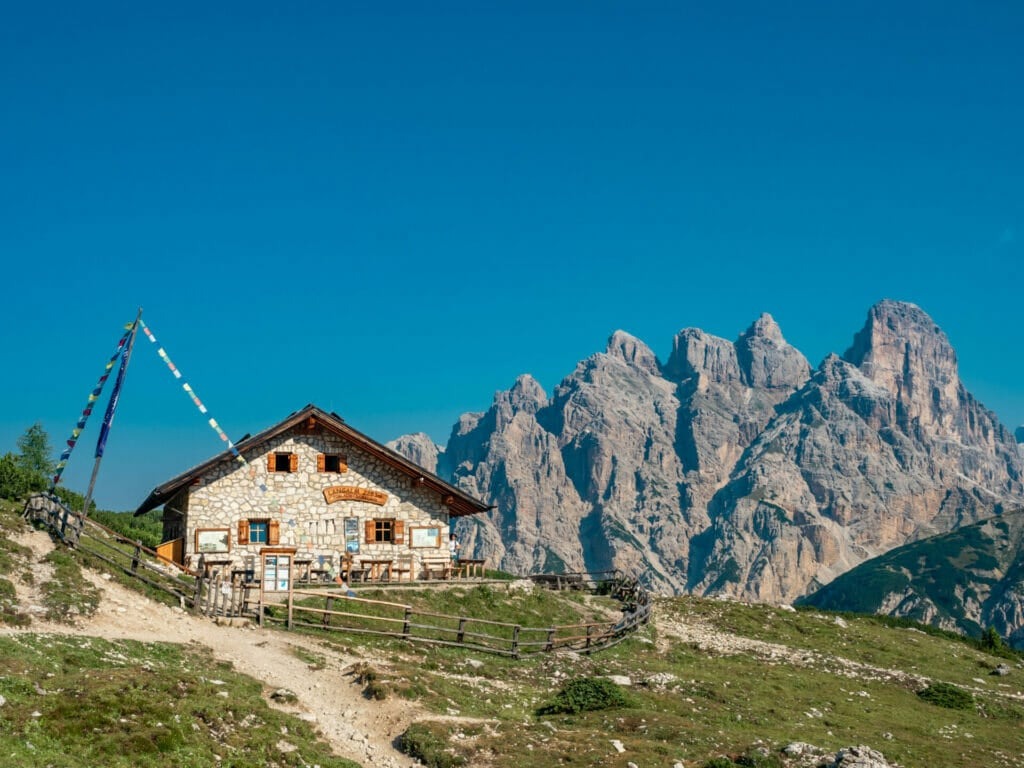
The best trekking season in the Dolomites runs from late June to mid-September. During this time, the majority of huts are open, trails are snow-free, and wildflowers blanket the meadows.
- July and August are peak months, with lively hut atmospheres but also higher demand for reservations.
- June (late) and September offer quieter trails and cooler weather, though the risk of snow early or late in the season is higher.
Weather can be unpredictable. Sunny mornings often give way to afternoon thunderstorms, so early starts are recommended. Always check local forecasts and plan conservatively.
Balancing Challenge and Accessibility
Hut-to-hut trekking in the Dolomites is remarkably flexible. Routes can be adjusted to fit different levels of fitness, age, and interest. Families often opt for shorter segments or routes with gentler terrain, while seasoned trekkers take on longer, steeper traverses.
The infrastructure also adds a level of safety and comfort. Knowing that a warm bed and meal are waiting each evening makes the physical demands more approachable.
It also reduces the need to carry heavy gear, opening the experience to a wider range of travelers than traditional backpacking might.
Blending Adventure with Culture
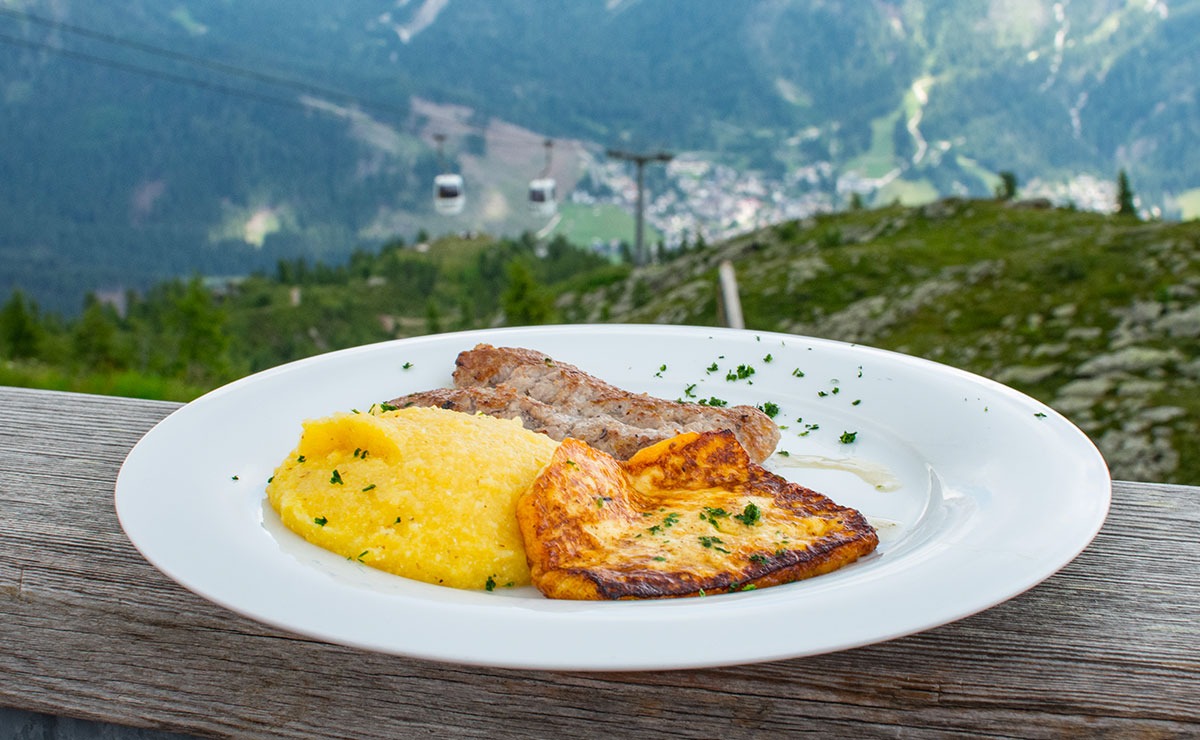
One of the understated joys of trekking here is cultural immersion. You’re not just walking through mountains – you’re stepping into a region with a unique history.
- Language mix: Italian, German, and Ladin are all spoken in the Dolomites, reflecting centuries of blended influences.
- Cuisine: Expect both Alpine staples like polenta and Mediterranean touches like espresso at a hut perched 2,000 meters above sea level.
- Tradition: Many rifugi are family-run, passing down recipes and stories from one generation to the next.
This combination makes the Dolomites a rare place where hiking and culture intertwine seamlessly.
Final Thoughts
Trekking hut-to-hut in the Dolomites isn’t just about kilometers and summits – it’s about connection. You connect with landscapes that shift from jagged cliffs to rolling meadows in a matter of hours. You connect with people, sharing stories over alpine dinners.
And perhaps most importantly, you connect with a slower rhythm of travel, one where each day feels earned and each horizon feels new.
For those seeking an adventure that balances accessibility with awe-inspiring beauty, the Dolomites deliver. Whether you commit to a week-long Alta Via or a shorter three-day trek, this mountain range offers one of Europe’s most memorable trekking experiences
