


 Alana Harrington

Paris can feel very different depending on where you sleep. One stay can be calm, easy, and walkable. Another can leave you spending too much time on the Metro and too much money on quick fixes like taxis, rushed breakfasts, and last minute dining.
That is why choosing the right base matters almost as much as choosing your sightseeing list.
For a comfortable city break, the goal is not simply to stay in the middle of everything.
The smarter move is to stay in an area that matches your pace, your budget, and the kind of evenings you want after a long day out.
Paris tourism guidance also points visitors toward picking districts by atmosphere, not just by headline landmarks, which is a much more useful way to plan a short stay.
Start by matching the neighborhood to your trip

A good Paris base should help your trip feel lighter. That usually means simple transport, a pleasant street scene, and enough food options nearby that you do not need to overplan every meal.
Paris is divided into 20 arrondissements, and the city transport network treats all of them as Zone 1, so getting around central Paris is usually straightforward if you choose a well connected neighborhood.
Before looking at star ratings, think about your actual city break habits.
- First trip and major sights matter most
- Cafes, museums, and slower mornings matter more than ticking boxes
- Better value and a more local feel matter more than a postcard address
That small bit of honesty makes the hotel search much easier, and it usually leads to a more comfortable stay overall.
For an easy first visit, stay somewhere connected
If this is your first Paris break, you will probably want a base that feels practical from the moment you arrive.
That often means choosing a neighborhood with reliable Metro access, nearby food, and enough distance from the heaviest tourist traffic that evenings still feel manageable.
A place like Hotel lyf gambetta Paris fits that kind of trip well because the Gambetta area gives you a more residential setting while still keeping you connected to the city.
Public listings describe it as a short walk from Gambetta Station, and guest facing listings mention shared spaces, laundry, and room layouts aimed at flexible short stays.
That kind of setup is especially useful when you want a city break that feels smooth rather than packed. You can spend the day in central Paris, then come back to a neighborhood that is easier on the senses.
For classic Paris atmosphere, Saint Germain still works very well
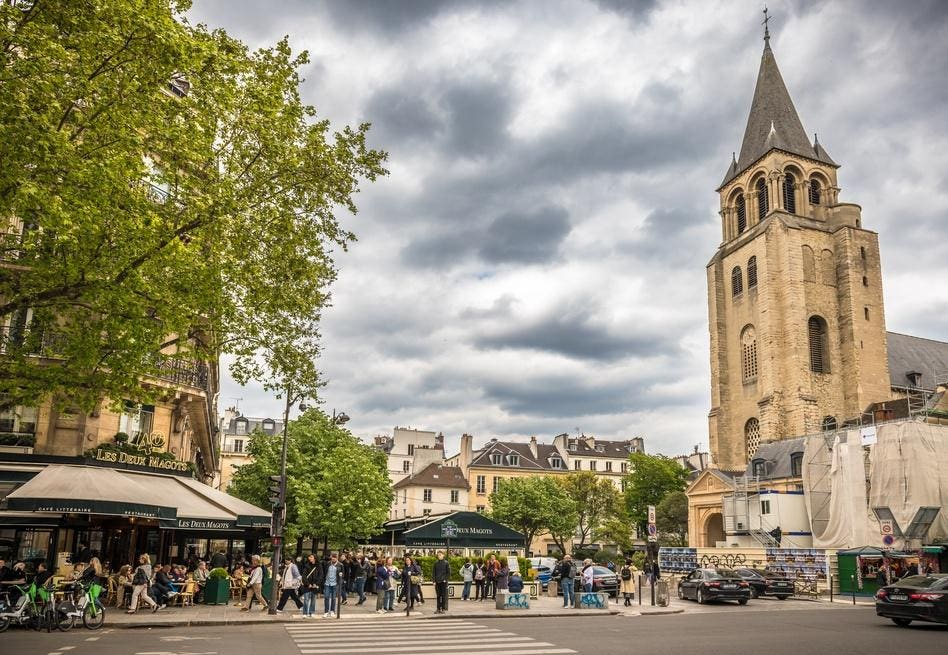
Some travelers picture Paris and immediately think of the Left Bank. That image exists for a reason. Saint Germain des Prés puts you close to the Seine, within walking reach of places like Notre Dame, the Louvre area, and the Musée d Orsay zone, while still offering the cafe and bookshop feel many people want from a short stay.
Official tourism listings also describe several hotels in the district as quiet or tucked around courtyards and patios, which matters when comfort is part of the plan.
Paris tourism guidance notes that Zone 1 covers all 20 Paris arrondissements, which is why a well placed Left Bank stay can make walking and public transport equally practical.
Saint Germain is rarely the cheapest choice, but for many people it gives the right balance of charm, walkability, and comfort.
For character and energy, the Marais is a strong short break choice
The Marais works best for travelers who want to step outside and already feel part of the city. It is central, historic, and lively without feeling locked into one single type of trip.
Paris tourism highlights Place des Vosges as one of the district standouts, and also frames the Marais as a major walking area full of historic streets and landmarks.
That matters because comfort on a city break is often about momentum. In the Marais, you can do a museum in the morning, a long lunch, some wandering, and a relaxed evening drink without spending half the day in transit. The trade off is price and noise.
If you stay here, look closely at room size, air conditioning, and street orientation before booking. A good Marais hotel can feel ideal. A cramped one can feel tiring by night two.
Comfort comes from hotel details, not just the address
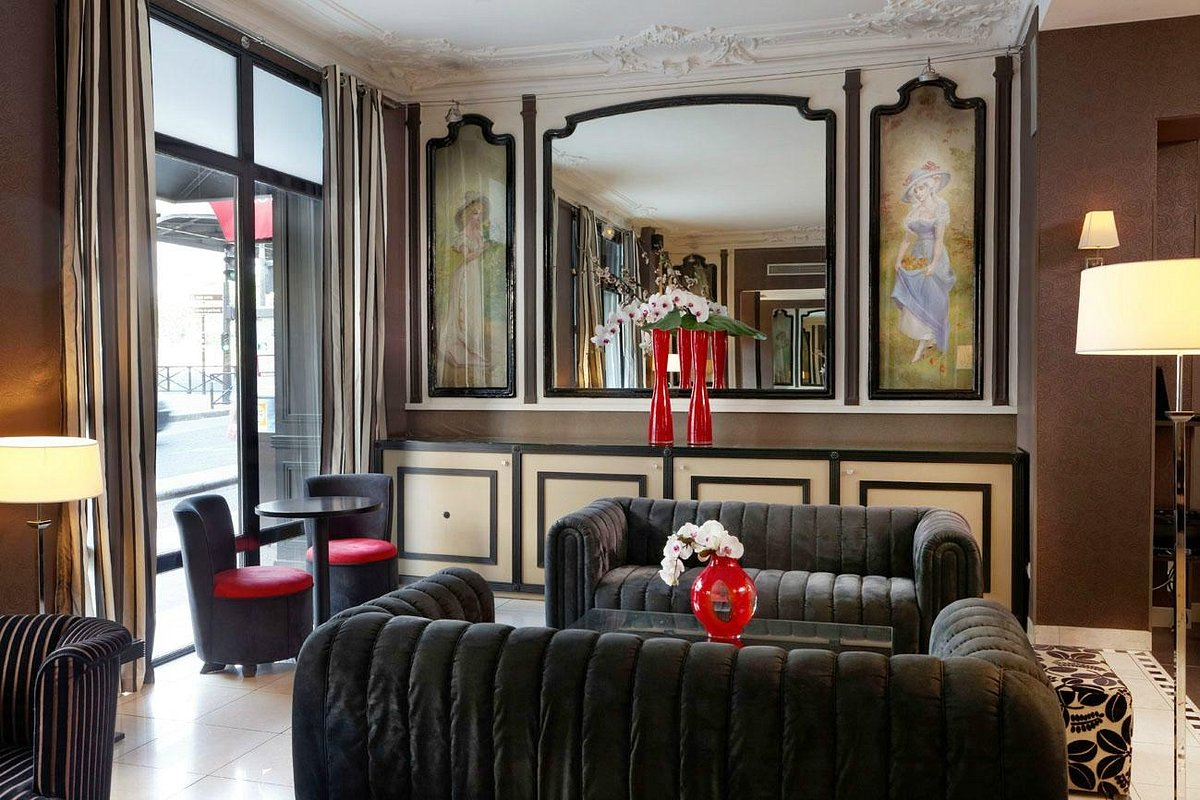
A nice postcode helps, but the actual room setup usually decides whether your stay feels restful.
Paris tourist guidance points out that newer and smaller properties can offer style and value, which is true, but only if the basics are right for your needs.
Here is a quick comparison to keep your search grounded.
| What to check | Why it matters on a city break |
| Metro within short walk | Saves time and energy every day |
| Air conditioning | Useful in warmer months and stuffy buildings |
| Lift | Important in older buildings with narrow stairs |
| Breakfast on site | Helps on short, packed itineraries |
| Quiet room orientation | Makes sleep far easier in busy districts |
Look at this table as a comfort filter. A hotel can be beautiful online and still be the wrong fit if it misses two or three of these basics.
The booking checks that save you from a frustrating stay
Once you narrow the neighborhood, use a short checklist before you pay. This is where many Paris stays go right or wrong.
Older buildings can be charming, but room size, storage, and noise insulation vary more than travelers expect.
Use these checks before booking.
- Confirm the nearest Metro station and walking time
- Read recent reviews for noise, bed comfort, and cleanliness
- Check if breakfast is included or realistically worth the price
- Look for photos of the bathroom, not only the bedroom
- Make sure check in and luggage storage suit your arrival time
This is also where aparthotel style stays can help. Properties with shared amenities, kitchenettes, or laundry can make a three or four day break feel much easier, especially if you like a flexible routine.
A simple way to choose the right area
If you want the quick version, think in traveler types rather than in hotel marketing language. That often leads to better decisions. Choose:
- Saint Germain if walkability, museums, and classic Paris mood matter most
- the Marais if you want central energy, history, and strong food options nearby
- Gambetta or the eastern side if you want a calmer base with more local rhythm
- any stay near a solid Metro link if you only have two or three days
Paris rewards smart positioning. Official visitor guidance even frames the city by mood and district personality, which is exactly how short break travelers should think about it.
The best place to stay in Paris is rarely the most famous one. It is the one that helps your days run smoothly and your evenings feel easy.
Final Perspective

A comfortable city break in Paris usually comes down to one simple choice. Stay somewhere that supports the version of the trip you actually want.
If your plan is museum heavy and walk focused, the Left Bank can make sense.
If you want atmosphere on your doorstep, the Marais does a lot of work for you. If you care about breathing room, better value, and a more local pace, Gambetta and nearby eastern districts deserve real attention.
That is the practical answer to where to stay in Paris for a comfortable city break. Pick an area with the right rhythm, then book a room with the right basics.
Do that well, and the whole city starts to feel easier.
