


 Nina Smith
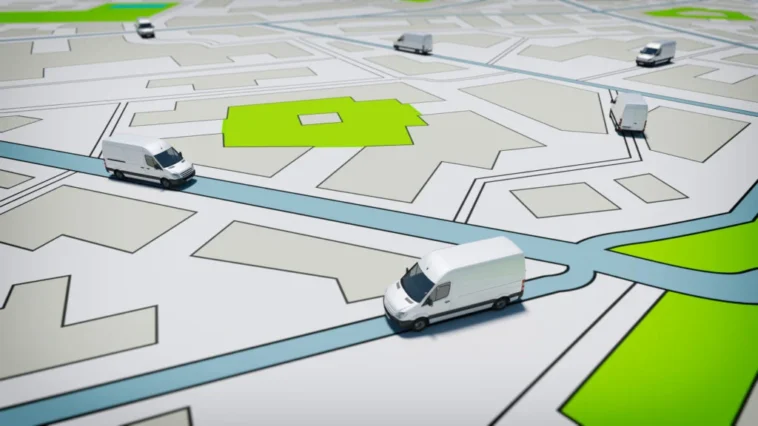
Managing a fleet effectively is vital for any business that relies on multiple vehicles. Whether you operate delivery vans, service vehicles, or a long-distance transport fleet, knowing where your vehicles are and how they are being driven is essential. Fleet vehicle tracking gives businesses the insight and control needed to improve efficiency, enhance safety, and cut operational costs.
What Is Fleet Vehicle Tracking?
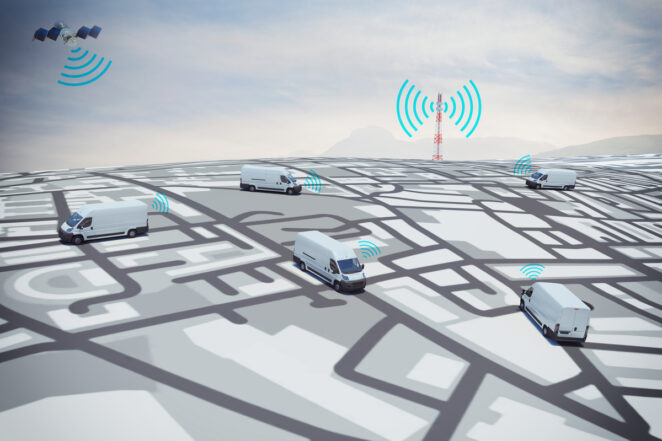
Fleet vehicle tracking uses GPS and telematics technology to monitor the location, usage, and performance of vehicles in real time. It provides managers with accurate data on where vehicles are, how they are being driven, and when they need maintenance.
By investing in fleet vehicle tracking, businesses can make informed decisions, streamline operations, and reduce risks across their fleet.
The Key Benefits of Fleet Vehicle Tracking
The value of fleet tracking goes far beyond simply knowing where your vehicles are. It delivers a wide range of benefits that directly impact efficiency, safety, and profitability.
Real-Time Location Monitoring
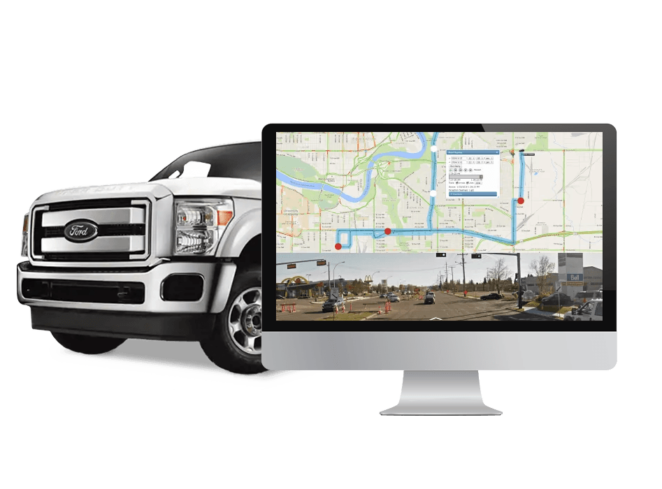
Being able to see the live location of every vehicle in your fleet allows managers to respond quickly to changes, reroute vehicles when needed, and provide customers with accurate delivery updates.
Improved Route Planning
Fleet tracking data reveals the most efficient routes based on real-world driving patterns. This can reduce fuel consumption, cut travel times, and improve driver productivity.
Enhanced Driver Safety
Tracking systems can record driving behaviour, including speeding, harsh braking, and rapid acceleration. This encourages safer driving and helps identify areas where driver training may be needed.
Reduced Fuel and Maintenance Costs
By monitoring driving habits and reducing unnecessary idling, businesses can lower fuel costs significantly. Tracking also helps schedule preventative maintenance, reducing costly breakdowns.
Environmental Impact and Sustainability
Fleet vehicle tracking doesn’t just save money — it can also reduce your environmental footprint. By optimising routes and monitoring idling times, you cut unnecessary fuel consumption, which directly lowers CO₂ emissions.
Businesses that operate large fleets often see significant reductions in annual emissions when tracking systems are implemented effectively.
This also makes it easier to report on sustainability metrics, which is increasingly important for companies bidding for contracts with environmental requirements.
Beyond compliance, greener operations can enhance your brand image, showing clients and stakeholders that you are committed to responsible, future-focused practices.
Improving Accountability and Productivity
Fleet vehicle tracking increases accountability across your workforce. Drivers know their performance is monitored, leading to improved time management and more professional conduct.
Training and Performance Feedback
One often overlooked benefit of fleet tracking is its role in driver development. Instead of relying on sporadic ride-alongs or second-hand reports, managers have real, consistent data to work with. By reviewing patterns like speeding, harsh braking, and idle time, you can create personalised training plans for each driver.
This approach is not about policing, but about empowering drivers to improve efficiency, safety, and professionalism. Many companies also use performance data to introduce incentive programmes, rewarding safe and efficient driving, which can boost morale and reduce turnover.
Preventing Unauthorised Use
Tracking technology ensures vehicles are only used for authorised purposes. This reduces fuel waste, wear and tear, and potential liability risks.
Accurate Working Hours and Job Records
With automatic journey logging, managers can verify working hours and mileage with precision. This ensures fair reporting for both the business and the driver.
Enhancing Customer Service
A well-managed fleet directly contributes to better customer satisfaction, and fleet vehicle tracking plays a key role in making that happen.
With real-time visibility of vehicle locations, businesses can respond more quickly to service requests and keep customers informed at every stage. This transparency builds trust and strengthens long-term relationships.
Live tracking also makes it possible to provide accurate delivery windows instead of vague estimates, reducing frustration and increasing confidence in your service. If delays occur or routes change unexpectedly, managers can immediately relay updated information to customers.
This proactive communication not only resolves potential issues faster but also shows a commitment to reliability and professionalism, which customers are more likely to remember and recommend.
Compliance and Security
Many industries have strict compliance requirements. Fleet vehicle tracking helps businesses meet these standards while improving vehicle security.
- Meeting industry regulations: Tracking systems automatically log key operational data, making it easier to comply with working time regulations, driver hours, and safety inspections.
- Protecting against theft : If a vehicle is stolen, live GPS tracking can help recover it quickly, reducing the risk of costly losses.
Integrating Fleet Vehicle Tracking with Cameras
For maximum visibility, many businesses combine tracking systems with vehicle cameras. This combination gives a complete picture of driver behaviour, vehicle usage, and incidents.
Video Evidence for Disputes
In the event of an accident or claim, recorded footage paired with tracking data can quickly resolve disputes and protect the business from false allegations.
Monitoring Cargo and Deliveries
Cameras can ensure that goods are handled correctly, providing valuable proof for high-value or sensitive shipments.
Choosing the Right Fleet Vehicle Tracking Solution
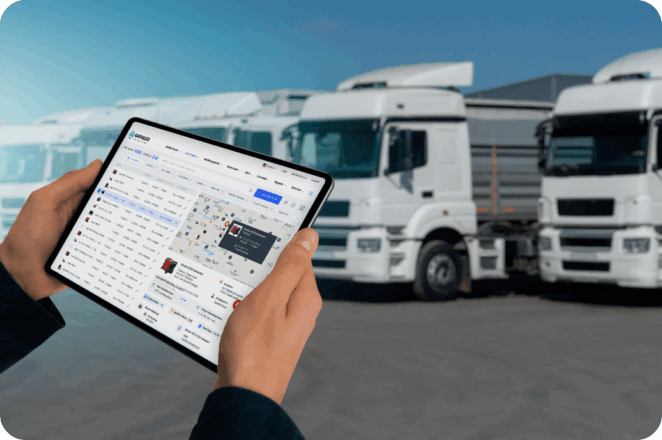
Not all tracking systems offer the same capabilities, so investing in the right one is crucial for getting the most value. A good platform should combine advanced features with dependable performance and a support team that’s available when you need them. Beyond the basics of GPS location tracking, consider how well the system integrates with your existing processes, whether it can grow with your business, and how easy it is for your team to use without extensive training.
- Scalability for growing fleets is key. A small operation today could expand quickly, and you’ll want a solution that can handle additional vehicles, new service areas, and more complex routing without needing a costly system change.
- Ease of use matters just as much as functionality. An intuitive dashboard allows managers to find critical information quickly, respond to issues in real time, and make data-driven decisions without wasting hours navigating complicated menus.
- Customisable reporting tools can also be a deciding factor. Being able to generate specific performance, compliance, and cost reports helps align fleet operations with business goals.
- Integration with other systems such as dispatch, maintenance scheduling, or fuel management software can streamline workflows and reduce manual data entry.
Taking time to evaluate these aspects before committing ensures your investment supports both immediate operational needs and long-term growth, giving you a system that continues to deliver value year after year.
Long-Term Cost Savings
While the initial investment in a fleet tracking system may seem significant, the long-term financial benefits often far outweigh the setup costs.
Reduced fuel use, fewer breakdowns, lower insurance premiums, and increased productivity all compound over time. In competitive industries, these savings can be the difference between healthy margins and operating at a loss.
Moreover, the ability to forecast maintenance needs and plan vehicle replacement cycles more effectively can prevent budget shocks and support steady growth.
Conclusion
Fleet vehicle tracking is more than just a way to see where your vehicles are. It’s a powerful business tool that improves efficiency, safety, compliance, and customer service while lowering operational costs.
By investing in the right system, businesses can transform fleet management into a streamlined, data-driven operation that supports long-term growth and success.
