


 Nina Smith
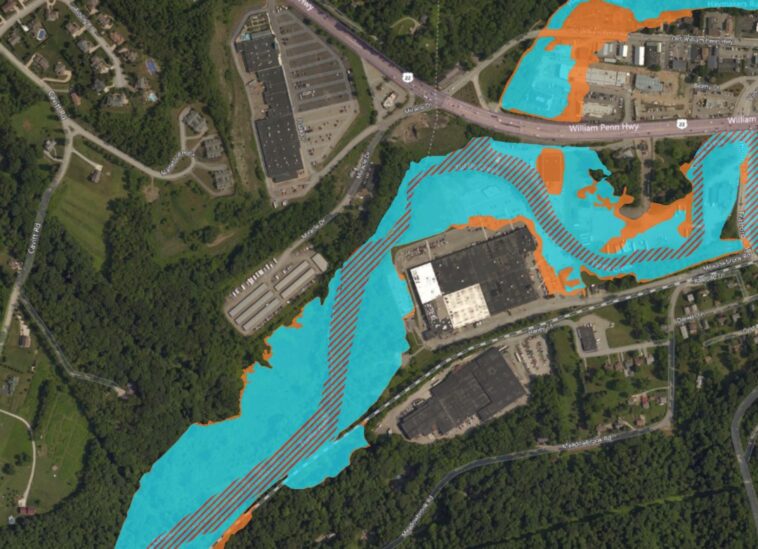
Flooding is one of those risks that tends to get overlooked until it causes a serious problem. When you are planning a new development, extending an existing building, or changing how land is used, flood risk can become a major deciding factor in whether a project moves forward smoothly or gets delayed.
Local authorities, planners, and insurers all pay close attention to how water behaves on and around a site, especially as extreme weather becomes more common.
The question of whether your development needs a flood risk assessment usually comes up early in the planning process. It is not only about rivers overflowing. Surface water, groundwater, coastal flooding, and even drainage capacity can all affect a site. Understanding when an assessment is required, and why it matters, can save time, reduce costs, and prevent compliance issues later.
What Is a Flood Risk Assessment?
A flood risk assessment is a professional report that studies how likely a site is to flood. It looks at many types of flooding, including:
- River flooding
- Coastal flooding
- Surface water flooding from heavy rain
- Groundwater flooding
- Drainage system overflow
The goal is simple: to find out if your development could be affected by flooding and to show how you will reduce that risk.
When Is The Assessment Required?
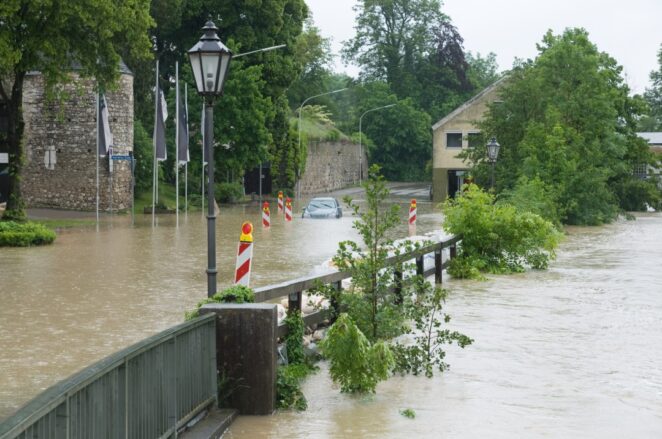
In most cases, you will need a flood risk assessment if:
1. Your Site Is in a Flood Zone
If your land is located in an area known to have a higher chance of flooding, local planning authorities usually require an assessment before approving your project.
2. Your Development Is Large
Even if the site is not in a high-risk area, large developments may still require it because bigger projects can change how water flows across land.
3. You Are Changing Land Levels or Drainage
If your development alters ground levels, removes natural drainage, or adds large paved areas, it can increase flood risk nearby for others.
Why Is a Flood Risk Assessment So Important?
For some developers this is just another step in the planning process. But it plays a much bigger role.
Protects Your Investment
Flood damage can be extremely expensive. Repairs, delays, and insurance claims can quickly add up. A flood risk assessment helps you design smarter from the start.
Speeds Up Planning Approval
Planning authorities want proof that a development is safe. Assessment shows that you understand the risks and have planned for them.
Protects People and Property
Flooding can destroy homes, businesses, and infrastructure. A flood risk assessment ensures that buildings are placed safely and that escape routes are considered if flooding occurs.
What Does a Flood Risk Assessment Include?
It usually covers:
- The history of flooding in the area
- Maps showing flood zones
- Data from environmental agencies
- Drainage design details
- Proposed flood protection measures
It may also include plans for raising floor levels, installing drainage systems, or creating safe water storage areas.
How Climate Changes Play a Part
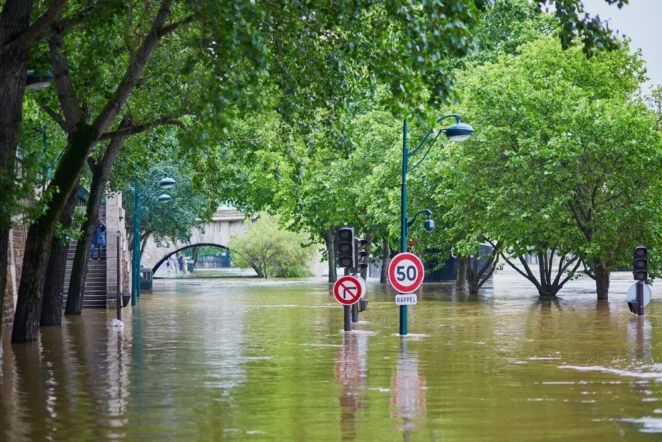
Areas once considered low risk may now experience intense rainfall, overwhelmed drainage systems, or rising groundwater levels. This has made flood risk assessments more relevant than ever.
Planning authorities increasingly expect developers to consider future conditions, not just historical data. An assessment can include allowances for climate change, showing how a development will remain safe over its expected lifetime. This forward looking approach can strengthen a planning application and reduce the likelihood of future retrofits or redesigns.
Ignoring climate related flood risk can result in developments that quickly become vulnerable, leading to reputational damage as well as financial loss.
Common Misconceptions About Flood Risk
Many developers assume that flood risk only applies to rivers or coastal areas. This is one of the most common misconceptions.
Surface water flooding now accounts for a large proportion of flood events, particularly in urban areas with limited natural drainage. Groundwater flooding can also affect sites far from visible water sources. A flood risk assessment helps clarify these less obvious risks and prevents assumptions that could undermine a project.
Another misconception is that small developments are always exempt. Even modest extensions or plot developments can trigger requirements if they affect drainage patterns or fall within sensitive areas.
Can I Skip The Assessment?
Skipping a flood risk assessment when it is required can lead to:
- Planning refusal
- Project delays
- Higher insurance costs
- Legal problems
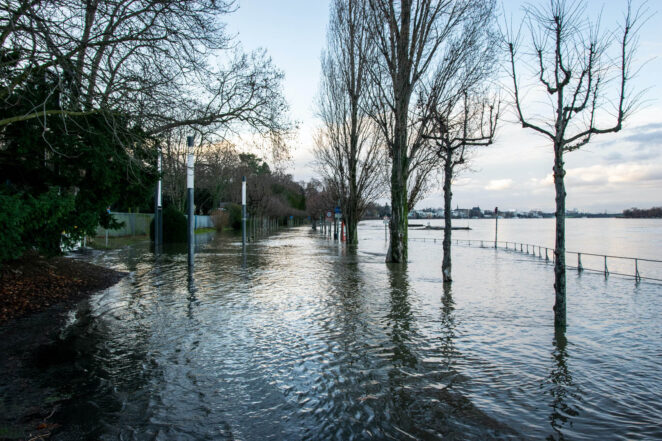
Even if it is not mandatory, it can still be a wise decision. Climate change has made flooding more common and more severe in many areas. What was once considered low risk may not stay that way.
How a Flood Risk Assessment Influences Design
The findings often shape site layout, building placement, and drainage strategies.
For example, an assessment may recommend positioning buildings away from higher risk zones, adjusting finished floor levels, or integrating sustainable drainage systems into landscaping plans. These changes are often easier and cheaper to implement during the design stage rather than after construction begins.
Developments that reflect these considerations tend to perform better over time, both structurally and financially.
How Do I Know for Sure?
The best way to know if you need a flood risk assessment is to:
- Check your local planning authority guidelines
- Review official flood maps
- Speak with a planning consultant or a specialist
A qualified expert can quickly tell you whether the assessment is required and what level of detail is needed.
Final Thoughts
A flood risk assessment is not just a box to tick. It is a key part of responsible development. Whether you are building a small home extension or a large commercial project, understanding flood risk helps protect your work, your money, and your future.
If there is even a small chance your site could flood, taking the time to complete a flood risk assessment is one of the smartest decisions you can make.
