


 Kristina Chan
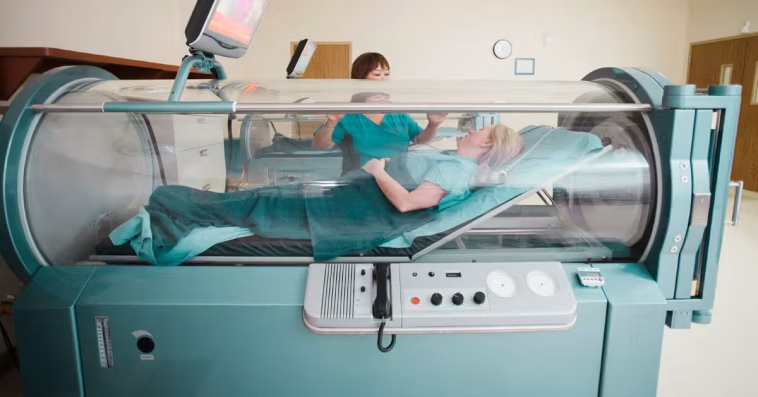
Did you know that hyperbaric oxygen therapy has been used in clinical medicine for more than 70 years, yet many first-time users still worry most about its safety rather than its benefits? That hesitation is understandable. Sitting inside a pressurized chamber, breathing concentrated oxygen, is not an everyday experience. Questions naturally come up. Can pressure hurt your ears? Is too much oxygen dangerous? Are there long-term effects no one talks about?
This guide is designed to answer those concerns calmly and honestly. Hyperbaric oxygen therapy is widely considered safe when used correctly, but like any medical intervention, it comes with real risks and side effects. Understanding them does not make the therapy scarier. It makes it safer.
Understanding How Hyperbaric Oxygen Therapy Works in the Body
Before talking about risks, it helps to understand what the therapy actually does. Hyperbaric oxygen therapy places the body in a pressurized environment, usually between 1.3 and 3 times normal atmospheric pressure, while the user breathes oxygen-rich air. This combination allows oxygen to dissolve directly into plasma, not just red blood cells.
That increased oxygen availability supports healing in tissues with limited blood flow, reduces inflammation, and assists the immune response. The same mechanism that makes therapy effective also explains many side effects. Pressure changes affect air-filled spaces like ears and sinuses. Elevated oxygen levels influence the nervous system and lungs.
In regulated clinical settings, pressure levels, session length, and oxygen concentration are carefully controlled. Problems typically arise when protocols are ignored, sessions are rushed, or individual health factors are overlooked. Safety begins with understanding that hyperbaric oxygen therapy is a medical treatment, not a wellness trend.
Who Should Be Extra Careful Before Starting Therapy
Not everyone faces the same risk profile. Some people should approach hyperbaric oxygen therapy with added caution, even when treatments are professionally supervised.
Individuals with untreated pneumothorax are typically excluded because pressure changes can worsen lung collapse. Chronic sinus infections, severe claustrophobia, and certain inner ear disorders can also increase discomfort or complications. People undergoing chemotherapy with specific drugs may face interactions that make therapy unsafe.
This is why reputable providers require medical screening before sessions begin. At a professional facility such as an LA hyperbaric oxygen center, intake assessments usually review medical history, medications, and recent imaging if needed. That process is not bureaucracy. It is the foundation of risk prevention.
Skipping pre-treatment screening significantly raises the chance of avoidable side effects, even for people who otherwise feel healthy.
Ear and Sinus Barotrauma: The Most Common Side Effect
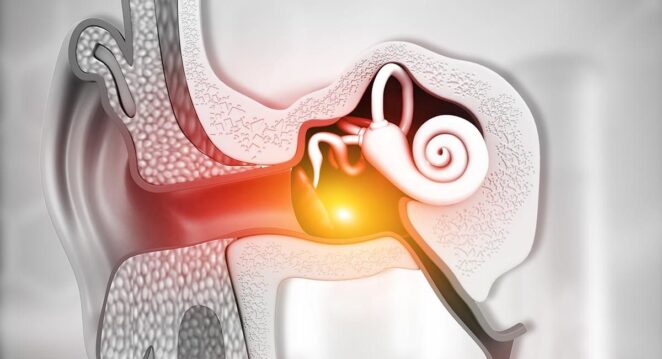
Pressure-related discomfort in the ears or sinuses is the most frequently reported side effect of hyperbaric oxygen therapy. As chamber pressure increases, air spaces must equalize. If they do not, pressure builds up against the eardrum or sinus lining.
Common symptoms include ear fullness, popping sensations, mild pain, or sinus pressure. In rare cases, improper equalization can lead to barotrauma such as eardrum irritation or fluid buildup.
Typical prevention strategies include:
- Slow, controlled pressurization during descent
- Teaching users equalization techniques before sessions
- Pausing pressurization if discomfort occurs
Most cases are mild and temporary. Severe ear injuries are uncommon and usually linked to rushing the session or ignoring discomfort signals.
Important clinical note: Barotrauma risk decreases significantly when pressurization rates are adjusted to individual tolerance rather than fixed schedules.
Oxygen Toxicity: Rare, Real, and Highly Managed
Oxygen toxicity sounds alarming, but it is rare in modern clinical practice. It occurs when oxygen exposure exceeds safe thresholds for time and pressure. The nervous system and lungs are the primary areas of concern.
Symptoms can include visual disturbances, nausea, twitching, or in extreme cases, seizures. In practice, these events are exceptionally uncommon because treatment protocols are designed to stay well below risk limits.
Why oxygen toxicity is unlikely in supervised care:
- Session duration is capped based on pressure level
- Built-in air breaks reduce oxygen load
- Continuous monitoring allows immediate response
Did you know? Modern hyperbaric protocols are built on decades of Navy and hospital safety data, which specifically map safe exposure windows for oxygen under pressure.
Problems typically arise only in unsupervised or improperly managed environments.
Temporary Vision Changes and Eye Sensitivity
Some users notice temporary changes in vision after multiple hyperbaric oxygen therapy sessions. This usually presents as mild nearsightedness and is linked to oxygen’s effect on the lens of the eye.
These changes are generally reversible and resolve weeks after treatment ends. Permanent vision changes are rare and usually associated with very high session counts or pre-existing eye conditions.
A small subset of users also report increased light sensitivity during treatment cycles. This is usually transient and does not interfere with daily activities.
What helps minimize vision-related side effects:
- Limiting unnecessary extended treatment cycles
- Regular vision check-ins during long protocols
- Allowing recovery breaks between treatment phases
Vision effects are considered manageable and non-dangerous when monitored appropriately.
Claustrophobia and Psychological Discomfort
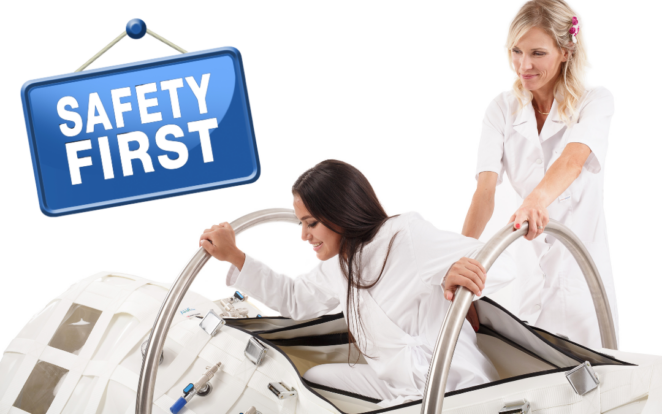
The physical safety of hyperbaric oxygen therapy often gets more attention than the psychological experience, but mental comfort matters too. Some users feel anxious inside enclosed chambers, especially during early sessions.
This reaction does not indicate weakness. It is a natural response to unfamiliar environments and pressure changes.
Modern facilities address this through clear communication, transparent chamber designs, and staff presence throughout sessions. Anxiety typically decreases after the first few treatments once users understand what to expect.
Helpful coping approaches include:
- Breathing exercises during pressurization
- Visual focus techniques
- Gradual acclimation sessions
Psychological discomfort alone is rarely a reason to stop therapy, but it should always be acknowledged and addressed.
Lung Considerations and Breathing Comfort
Lung-related side effects are uncommon but deserve attention. Dry air inside chambers can sometimes cause throat irritation or coughing. This is usually mild and resolves quickly.
More serious lung complications are rare and primarily associated with pre-existing respiratory conditions. This is why pulmonary screening is part of proper intake protocols.
| Lung-Related Effect | Frequency | Typical Outcome |
| Throat dryness | Common | Temporary |
| Mild cough | Occasional | Self-resolving |
| Oxygen lung irritation | Rare | Monitored and prevented |
The table highlights an important point. Most breathing-related effects are minor and predictable, not dangerous.
Fatigue, Headaches, and Post-Session Sensations
Some people feel tired or experience mild headaches after sessions, especially early in treatment. This is often due to metabolic shifts as oxygen delivery increases throughout the body.
These effects usually fade as the body adapts. Hydration, proper nutrition, and spacing sessions appropriately help reduce discomfort.
Common post-session sensations include:
- Temporary fatigue
- Light pressure headaches
- Mild dizziness upon standing
These are not signs of harm. They are adjustment responses. Persistent or worsening symptoms should always be reported, but short-lived fatigue is considered normal during early therapy stages.
How Professional Oversight Reduces Risk Dramatically
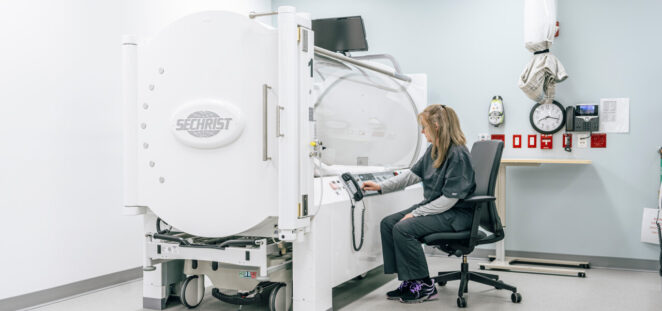
The single most important safety factor in hyperbaric oxygen therapy is professional supervision. The difference between risk and safety often comes down to environment, staff training, and protocol discipline.
Certified centers follow strict guidelines for pressure limits, session length, and user monitoring. Equipment is maintained and emergency procedures are in place even though they are rarely needed.
This level of oversight turns potential risks into manageable variables rather than unknown threats. It also ensures that therapy is adapted to the individual rather than applied as a one-size approach.
Safety in hyperbaric oxygen therapy is not about eliminating all risk. It is about understanding, managing, and minimizing it responsibly.
Making Informed Decisions About Your Safety
Hyperbaric oxygen therapy is not risk-free, but it is far safer than many people assume when delivered correctly. Most side effects are mild, temporary, and preventable with proper screening and professional oversight.
The key is informed participation. Ask questions. Disclose medical history honestly. Pay attention to your body during sessions. Respect the process rather than rushing results.
When users understand what risks exist and why protocols matter, therapy becomes less intimidating and more empowering. Safety is not something that happens behind the scenes. It is a shared responsibility between provider and participant.
If approached thoughtfully, hyperbaric oxygen therapy can be a supportive tool rather than a source of uncertainty.
