


 Lawrence Walton
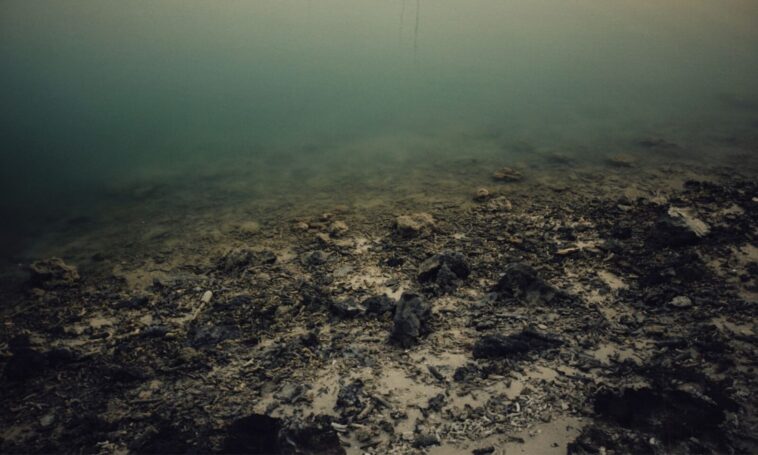
Pond muck is the dark, soft layer that forms on the bottom when organic material settles and begins to decay. It is made from things that naturally fall or wash into the water. Over time these materials sink, break down slowly, and mix with fine sediment such as clay or silt.
A thin layer is normal in most ponds. Problems begin when the layer grows thicker year after year and starts affecting water clarity, plant growth, and pond depth.
Materials That Form Pond Muck
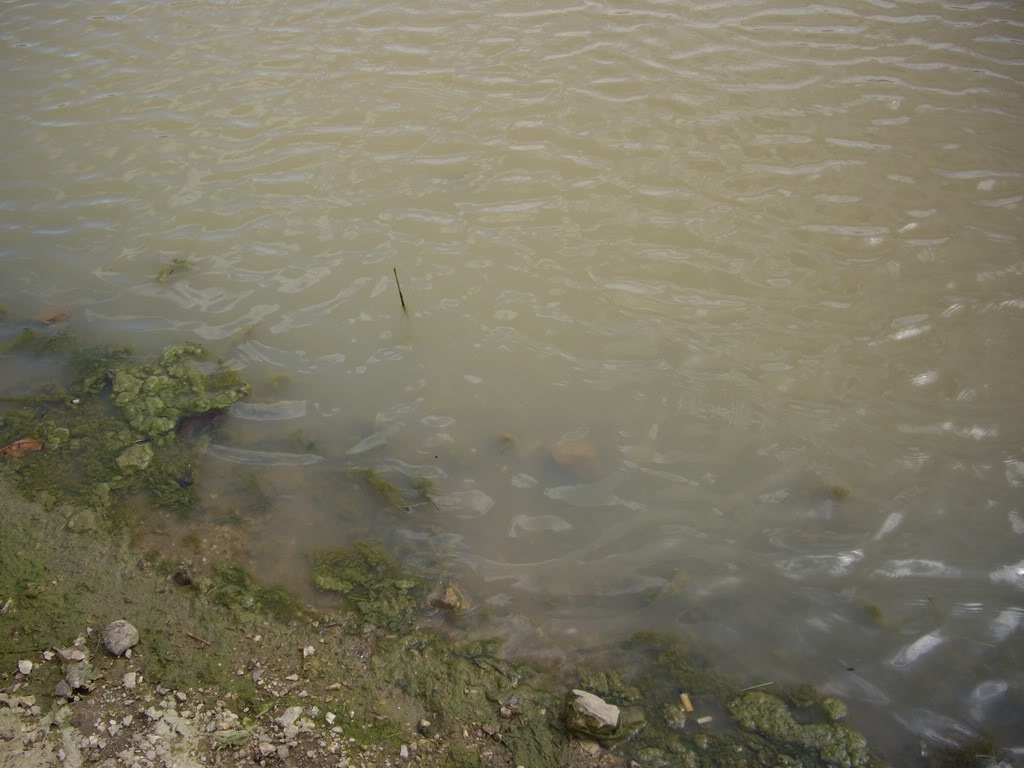
Several common materials gradually create this bottom layer:
- dead algae after seasonal blooms
- fallen leaves and plant debris
- grass clippings blown or washed into the water
- fish waste and uneaten fish food
- dying aquatic plants
- fine soil particles carried by runoff
As these materials decompose, they release nutrients such as nitrogen and phosphorus, which can then fuel more algae and plant growth.
Why Decomposition Slows Down
Bacteria break down organic debris, but this process requires oxygen. In deeper or stagnant parts of a pond, oxygen levels near the bottom can become very low.
When oxygen is limited, decomposition slows, and more material accumulates as muck.
Why Muck Builds Up Faster In Some Ponds?
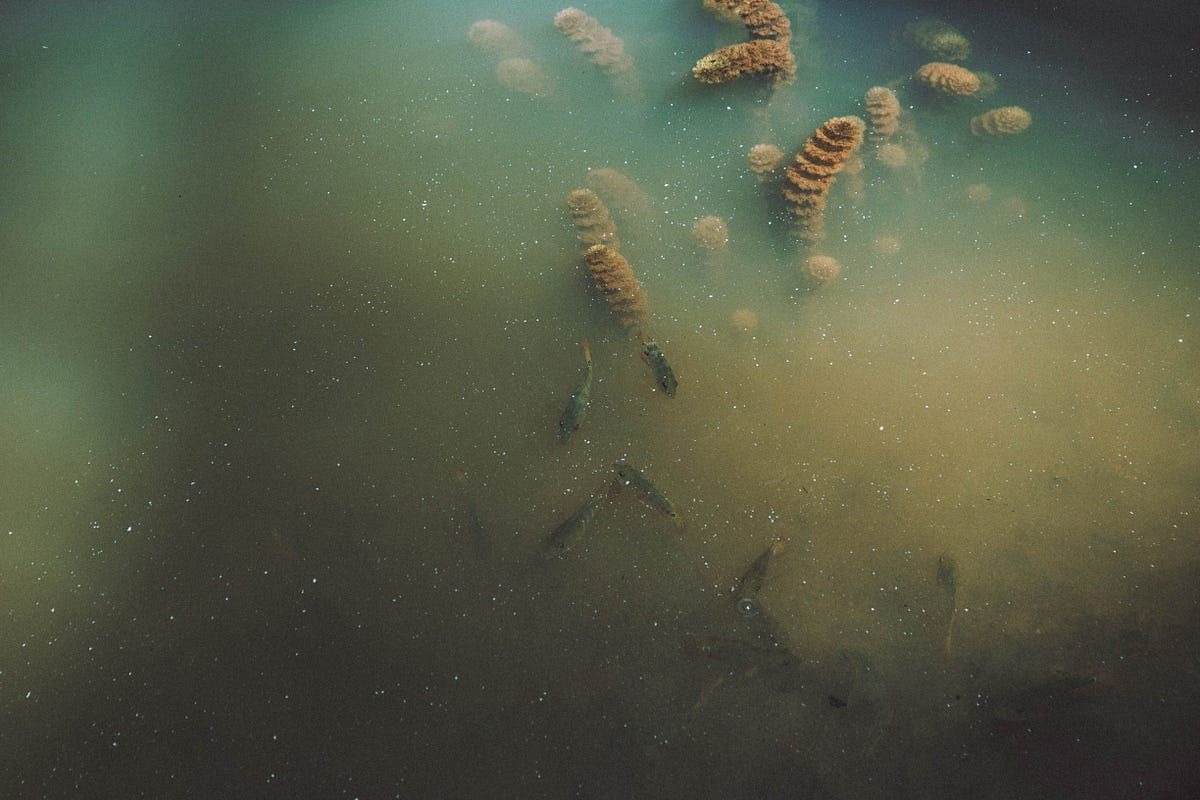
All ponds slowly accumulate sediment as part of a natural aging process. In undisturbed environments, this process can take hundreds or thousands of years. In residential or developed areas, muck can build up much faster.
Runoff And Nutrient Input
Rainwater moving over nearby land carries nutrients and debris into ponds. Fertilizers, pet waste, soil erosion, and yard debris all add organic material and nutrients to the water.
Higher nutrient levels stimulate algae growth. When algae die, they sink to the bottom and add another layer of organic matter.
Limited Water Movement
Ponds with little circulation tend to accumulate muck faster. Without movement, debris settles easily, and oxygen levels near the bottom remain low.
Shallow coves and protected shorelines often become the first places where muck begins to build.
Excess Plant Growth
Heavy plant growth can also contribute to muck accumulation. At the end of the growing season, large amounts of vegetation die and sink to the bottom where decomposition begins.
How Muck Affects Water Quality And Pond Depth?
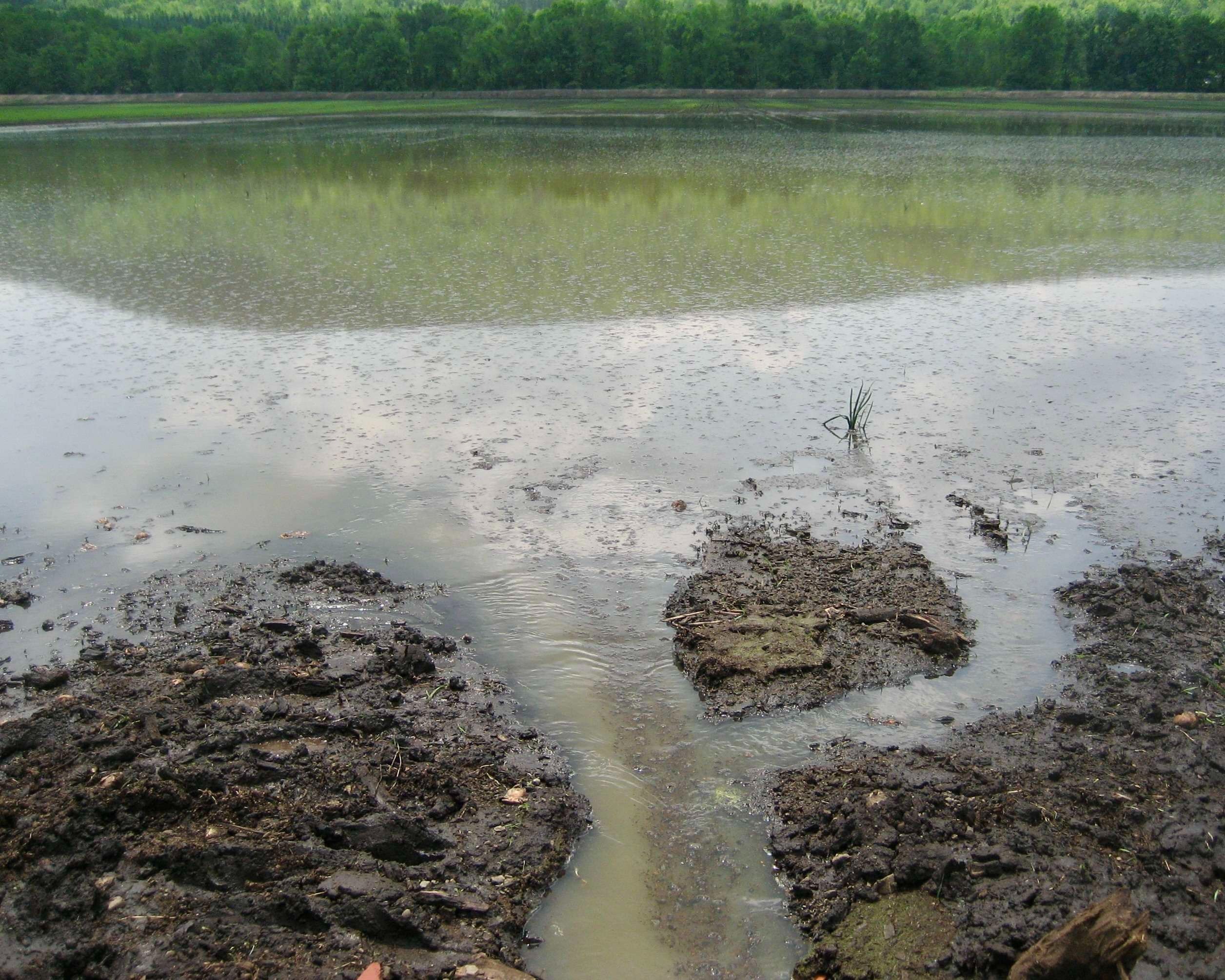
As muck accumulates, it begins to influence how the entire pond behaves.
Reduced Depth
Each year, a thin layer of organic sediment settles onto the bottom.
Over time, this slowly reduces the depth of the pond. In shallow ponds, even a few inches of new sediment can noticeably change the shape of the bottom.
Shallower water warms more quickly, which can increase algae growth and accelerate biological activity.
Oxygen And Odor Problems
Thick muck layers often contain partially decomposed material. When oxygen levels are low, decomposition produces gases such as hydrogen sulfide.
These gases create the unpleasant rotten egg smell that is sometimes noticed near shorelines or disturbed sediment.
Increased Algae And Weed Growth
Because muck stores nutrients, it can become a continuous source of phosphorus and nitrogen for the pond. These nutrients support algae blooms and can encourage the expansion of aquatic plants in shallow areas.
Natural Ways To Reduce Pond Muck
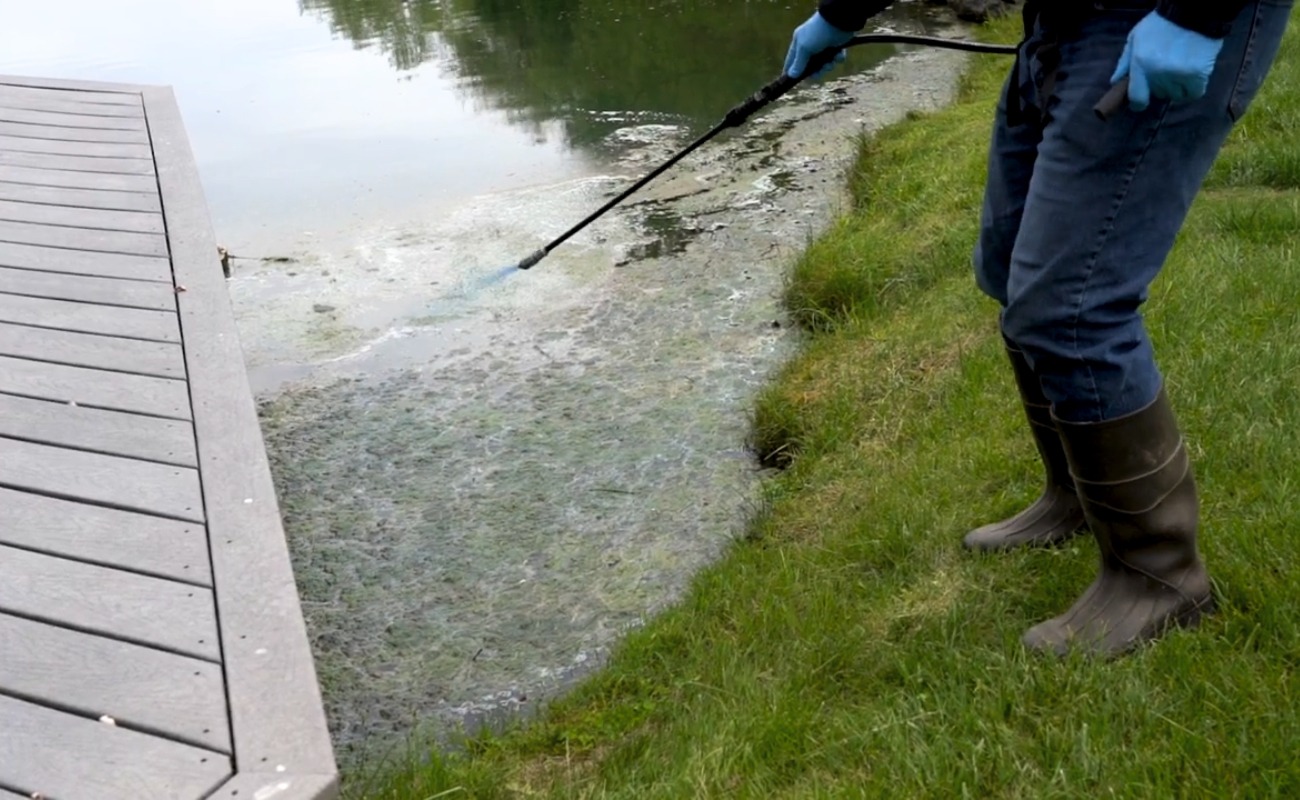
While muck forms naturally, several approaches can help reduce its buildup and improve the breakdown of organic material.
Improve Oxygen Conditions
Oxygen helps bacteria break down leaves, algae, and other organic debris before it turns into thick muck. When the bottom of a pond has little oxygen, decomposition slows down and sludge begins to accumulate.
Improving water movement can help with this. Moving water increases contact with air and exposes more of the water column to oxygen, which supports the natural breakdown of organic material.
For shallow areas, beaches, or spots where debris tends to collect, a strong water circulator can help keep material from settling.
Tools such as the JetStream aqua thruster are often used for this purpose. It works as a water blower or “muck blaster,” pushing water along the bottom and helping clear organic debris from problem areas while improving overall circulation.
Biological Treatments
Some pond management programs use beneficial bacteria or enzyme products to support natural decomposition. These biological treatments help digest organic material that would otherwise accumulate on the bottom.
Results depend on conditions such as oxygen availability and nutrient levels, but they can support long-term muck reduction.
Mechanical Ways To Remove Pond Muck
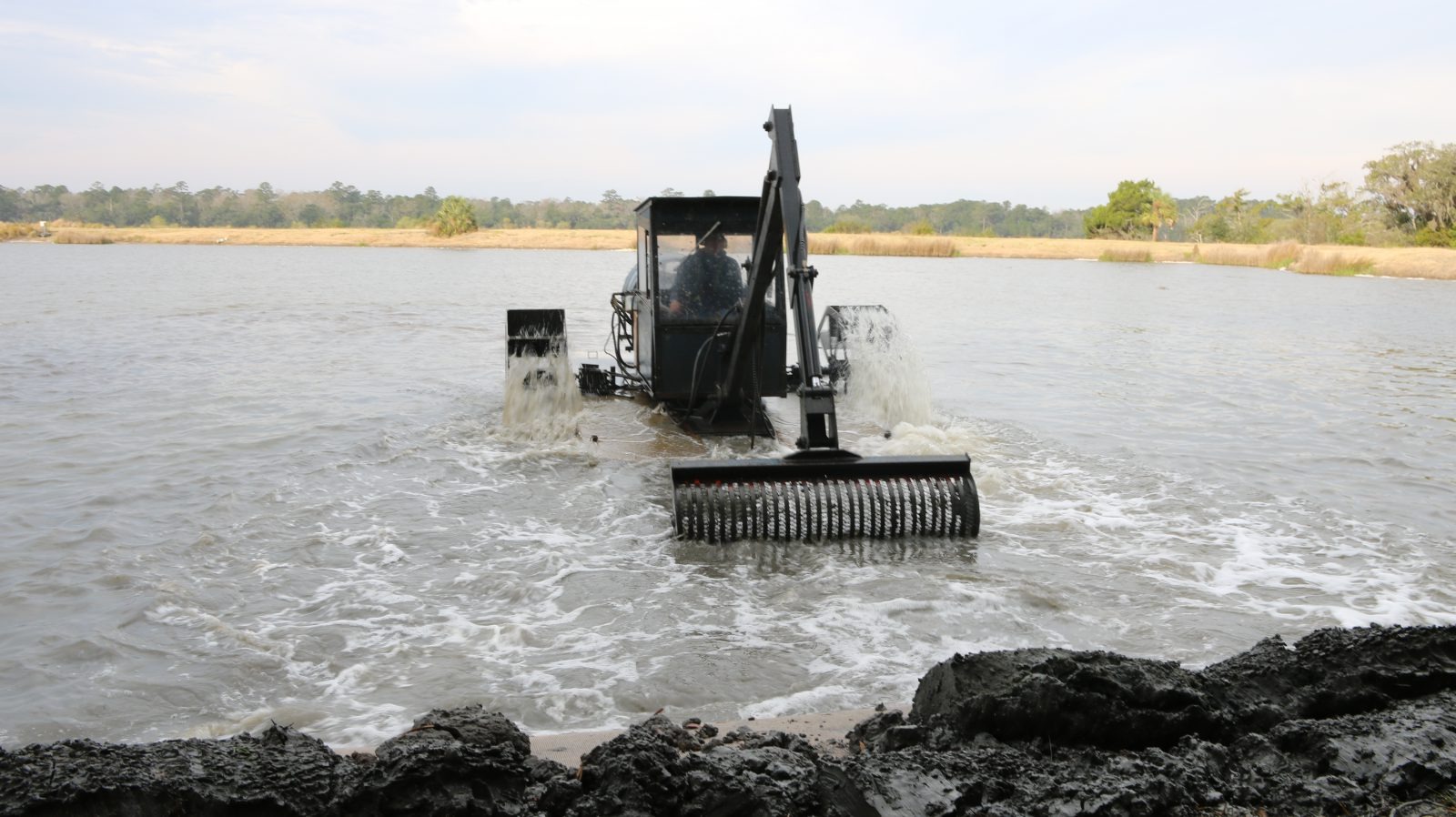
When muck becomes thick and begins to reduce pond depth, natural breakdown alone may not be enough. In these cases, physical removal is sometimes necessary to restore the bottom of the pond.
Several methods are commonly used depending on how much material has accumulated.
Dredging
Dredging removes sediment from the bottom of the pond using specialized equipment. This method can restore several feet of depth and remove large amounts of organic material.
Because dredging disturbs the entire pond bottom, it is usually considered a long term restoration method rather than routine maintenance.
Hydro-raking
Hydro-raking is a more targeted mechanical method. A floating machine equipped with a rake and bucket removes decaying vegetation, organic debris, and soft sediment from specific areas.
This approach works well for shoreline zones, around docks, or places where muck tends to accumulate.
How to Prevent Muck From Building Up Again?
Once muck is reduced, preventing new buildup becomes the most important step. Without changes in maintenance, organic material will continue to accumulate.
Limit debris entering the pond
Leaves, grass clippings, and yard waste contribute heavily to muck formation. Keeping these materials away from the water helps reduce future buildup.
Reduce nutrient runoff
Fertilizers, pet waste, and soil erosion all increase nutrient levels in the pond. Higher nutrients lead to more algae growth, which eventually settles and adds to the muck layer.
Maintaining vegetation around the shoreline can help filter runoff before it reaches the water.
Manage plant growth
Large amounts of aquatic vegetation eventually die and sink to the bottom. Managing plant growth and removing excess vegetation during the season helps limit organic buildup.
Conclusion
Pond muck forms naturally as organic material settles and decomposes on the bottom of the water. Leaves, algae, plants, and sediment all contribute to this process, which slowly adds new layers over time.
Also read: Adding koi fish to your pond – is that a good idea?
When muck builds up too quickly, it can affect water clarity, oxygen levels, and overall pond health. Fortunately, a combination of good maintenance, improved water circulation, and occasional removal can help keep the problem under control.
By reducing the amount of debris entering the pond and supporting natural decomposition, pond owners can slow the buildup of muck and maintain cleaner, healthier water for years to come.
