


 Kristina Chan
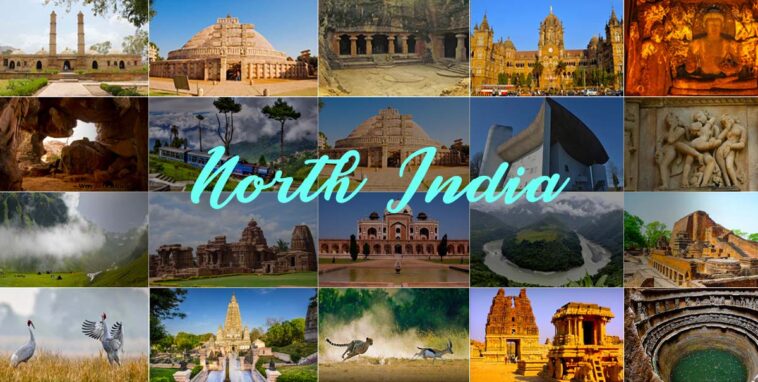
North India stands out for its diversity, in landscapes, people, and traditions. It’s a region where centuries of history, religion, and everyday life come together in a way that still feels genuine.
In this article, we’ll explain why many travelers see North India as the most authentic part of the country to experience. You’ll learn how its geography and culture shape daily life, what makes interactions here different, and how travel options can help you experience the region beyond typical sightseeing.
A Land of Contrasts: Geography, Climate, and Culture Collide
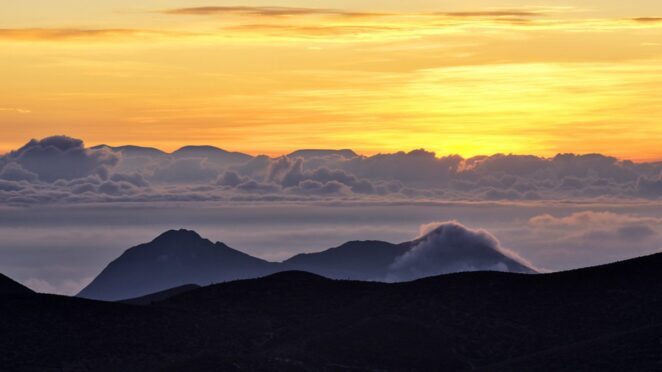
One of North India’s most compelling features is the striking diversity packed into a relatively compact region. From the snow-capped peaks of Ladakh and Uttarakhand’s Garhwal, to the Thar Desert fringes of Rajasthan, to fertile plains along the Ganges, but a microcosm of India’s dichotomies. You might ride through a Himalayan pass in the morning, and chat with a desert nomad by evening.
This geographic variety breeds cultural complexity too. Languages shift (Hindi, Punjabi, Dogri, Ladakhi, Rajasthani dialects), religious practices shift (Hindu temples, Sufi shrines, Buddhist monasteries), and festivals cascade across the calendar. That means the “feel” of place changes daily. You don’t just visit; you orient yourself constantly.
This is a region that resists flattening into a postcard. When you travel with intention, by train, by foot, or via a motorcycle tour, you’ll hit unexpected detours, charming villages, wandering priests or beggar musicians. It’s exactly why many choose an India motorcycle tour, riding between these contrasting zones lets you feel the edges, the transitions, and the raw geometry of the land.
Some bike-tour operators use small roads, hidden tracks and overnight stops in fort villages precisely so you experience the full texture of North India.
Encounters That Don’t Feel Staged: People, Rituals, and Daily Life
What makes travel through North India feel genuinely authentic is the human connection, moments when you stop observing and start participating in the culture.
You might:
- Share chai in a local home, talking about family life, crops, or cricket scores.
- Join a small-town mela (fair) where dance, trade, and worship blend into a single event.
- Pause at a roadside ashram, where travelers are welcomed with simple meals and stories.
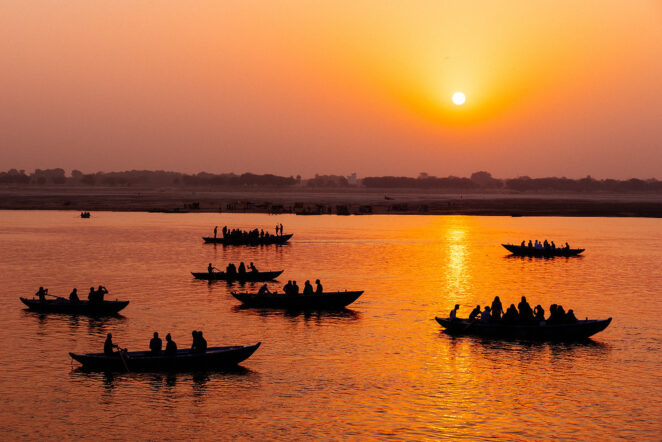
- Witness a morning puja on the Ganges, surrounded by residents performing their daily rituals.
In Varanasi, sunrise prayers are a living tradition, not a performance. In Himachal hill villages, shepherds may offer boiled potatoes and butter tea to strangers. Even major cities like Delhi or Amritsar hide unscripted scenes in their narrow alleys, rooftop terraces, and markets where daily life unfolds without pretense.
Traveling by slower modes, bus, train, or motorcycle, often brings you closer to these interactions. Sitting next to a local family, sharing snacks, or hearing bits of conversation reveals more about North India than any organized tour ever could.
Routes That Are Stories in Motion
Fast highways and express routes are convenient, but they erase the in-between stories, the walls, ruins, abandoned hamlets, plumes of smoke, old wells. In North India, many lesser roads lead into valleys, through passes, across rivers via ferries, winding past small shrines, or through forest gaps. Riding or driving along these routes often yields the most memorable moments.
Consider the Leh–Manali highway: a 428 km route crossing multiple Himalayan passes (Taglang La, Baralacha La, etc.) and changing landscapes from green valleys to arid high plateaus.
The route is open only part of the year, that forces timing, improvisation, and humility. On some stretches, maintenance is minimal, forcing you to slow down, push through dust, or pause. Those pauses become meaningful. You’ll see high-altitude settlements, pastoral camps, wild rivers that flood roadbeds, meadows full of prayer flags.
In places like Spiti and Kinnaur, especially in Trans-Himalayan zones, motorcycle tourism is already recognized as offering “freedom in travel planning, extended tours, and a mix of adventure and authentic cultural experiences.” The road is the story.
| Route Segment | Characteristic Experience |
| Lowland plains (Ganges) | Fertile fields, ancient towns, bustling bazaars |
| Foothills / Shivaliks | Rivers, forests, small monasteries, terraced farms |
| High Himalaya / Ladakh | Dry moonscape plateaus, Buddhist culture, fierce winds |
Traveling across those zones in a single journey gives you a layered perspective — you see how the environment shapes belief, settlement, economy, and tradition.
Food, Ritual, and Culinary Authenticity
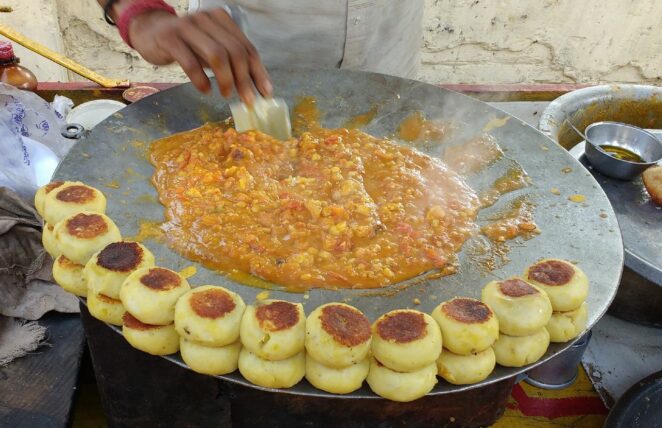
Food in North India tells you a lot about the region itself: what grows there, how people live, and how traditions are passed down. Meals vary by state and season, yet they share a focus on freshness, local produce, and shared eating.
You’ll find authenticity in:
- Street food stalls in Delhi, where vendors serve tangy chaat, samosas, and kulfi to office workers and students alike.
- Mountain kitchens of Himachal and Uttarakhand, where lentils, millet rotis, and wild berry chutneys speak of self-sufficiency and local tradition.
- Temple towns like Amritsar or Mathura, where sweet jalebis or parshad symbolize gratitude and ritual.
- The Sikh langar in Amritsar’s Golden Temple serving free meals daily to thousands regardless of religion or status.
How people cook and share reveals values like purity, generosity, and social structure. The clang of utensils, the smell of spices, and the hum of conversation all create a kind of rhythm that defines the region.
Moments of Solitude, Spirituality, and the Sublime
North India is sacred land. From Rishikesh and Haridwar on the Ganga’s edge to ancient monasteries in Ladakh, to remote Himalayan valleys where sky and stone intersect, there are spaces that suspend time.
Walking mountain trails at dawn, prayer flags fluttering overhead, distant chants echoing; pausing in a monastery’s courtyard in Nubra valley and seeing monks in red robes gliding past; or camping under a starlit sky in Spiti, these are experiences that outlast the flash of selfies.
Did you know? The Nubra Valley, accessed via Khardung La from Leh, sits at over 10,000 ft altitude and is often overlooked by travelers, but it is home to Balti villages that preserve ancient customs, pottery, and a scenic yet desolate terrain. That kind of quiet detour rewards those who slow down.
Challenges, Imperfect Beauty and Responsible Travel
Authentic travel in North India isn’t always easy. Roads can wash out, transport may run late, and power cuts are common outside major cities. These inconveniences are part of the experience, signs that the region still operates on its own rhythm rather than one shaped entirely by tourism.
A few things that might test your patience:
- Infrastructure gaps – Some areas still have limited public transport, rough roads, or spotty mobile networks.
- Environmental strain – Waste management and water availability can be issues, especially in popular mountain or pilgrimage sites.
- Cultural sensitivity – Customs around clothing, temple conduct, and personal space vary widely across regions.
- Overtourism pressures – Popular places like Rishikesh, Manali, and Varanasi can become crowded during peak seasons, affecting both the local environment and visitor experience.
To travel responsibly and help preserve authenticity:
- Choose locally owned homestays or guesthouses to support communities directly.
- Hire local guides who can provide context and ensure income stays within the region.
- Minimize plastic waste by carrying reusable bottles and bags.
- Ask before photographing people or religious activities.
- Respect local norms – small gestures of understanding make travel smoother and more welcome.
Why This Matters in a World of Theme-Park Travel
In an era when every destination competes to be “authentic,” North India still has raw edges, it gives you a deeper sense of place, not just “I saw the Taj Mahal” but “I felt the dust, the chanting, the river, the wind.” That is the kind of trip that changes your inner map.
If your travel goal is to step beyond comfort zones, to feel the friction of real life in unfamiliar places, to meet humanity in its many dialects, then North India is among the richest classrooms.
These lessons will linger longer than checklists. Let the roads, people and rhythms teach you. And always travel with openness, respect, and a sense that authenticity is earned.
