


 Kristina Chan
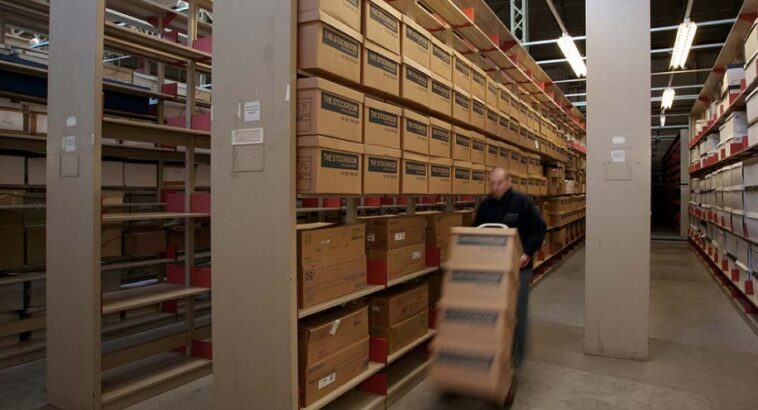
Every day, we create and collect more digital information than ever before. Emails, documents, photos, videos, customer records, and system logs all pile up quickly.
Over time, this data can become hard to manage, slow down systems, and increase costs. That’s where archiving comes in.
Archiving is not just about storing old files. It’s about keeping important information safe, organized, and easy to access when you need it—without cluttering your active systems.
In this article, we’ll explain what archiving is, how it works, and why archive storage solutions are so important today.
What Is Archiving?

Archiving is the process of moving data that is no longer used every day into long-term storage. This data is not deleted. Instead, it is preserved securely so it can be accessed later if needed.
Archived data usually includes:
- Old business records
- Past emails and messages
- Completed projects
- Legal or compliance documents
- Historical files that still have value
Unlike backups, which are mainly for recovery after data loss, archiving focuses on long-term retention and organization.
Archiving vs. Backup: What’s the Difference?
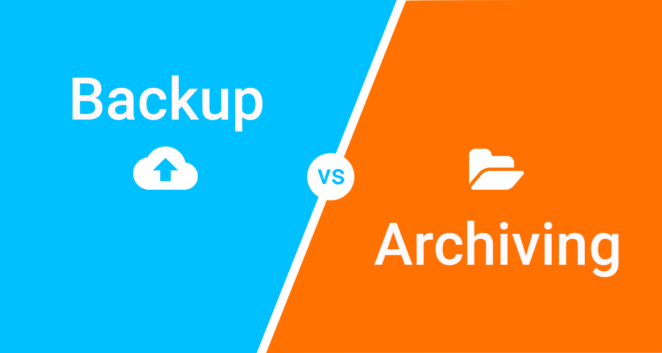
Many people confuse archiving with backup, but they serve different purposes.
- Backup is for emergencies. It creates copies of current data so it can be restored after a crash, cyberattack, or mistake.
- Archiving is for long-term storage. It keeps data that is no longer active but still important.
Think of it this way: backups protect today’s work, while archiving protects yesterday’s information.
Why Archiving Matters More Than Ever
Data growth is a real problem for businesses and individuals alike. Without a plan, systems become overloaded, searches take longer, and storage costs rise.
Here’s why archiving is essential:
1. Keeps Systems Fast and Clean
When old files stay mixed with active data, systems slow down. Archiving moves unused data out of the way, helping software and servers run faster.
2. Saves Storage Costs
Active storage is expensive. Archive storage solutions are designed to be cost-effective, making them ideal for data that doesn’t need to be accessed often.
3. Improves Organization
Archived data is indexed and categorized. This makes it easier to find a specific file months or even years later.
4. Supports Legal and Compliance Needs
Many industries must keep records for several years. Archiving ensures data is stored securely and meets legal requirements.
5. Reduces Risk
Keeping old data scattered across devices increases the risk of loss or exposure. Centralized archive storage solutions add better security and control.
What Are Archive Storage Solutions?
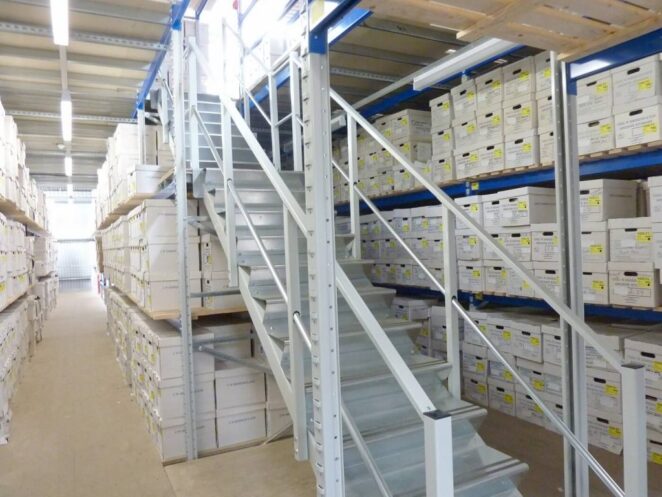
Archive storage solutions are systems designed specifically for long-term data storage. They focus on durability, security, and low cost rather than speed.
Common types include:
- Cloud-based archive storage
- On-premise archival servers
- Hybrid archive systems (cloud + local)
These solutions use technologies that protect data from deletion, corruption, and unauthorized access.
Key Features of Good Archive Storage Solutions
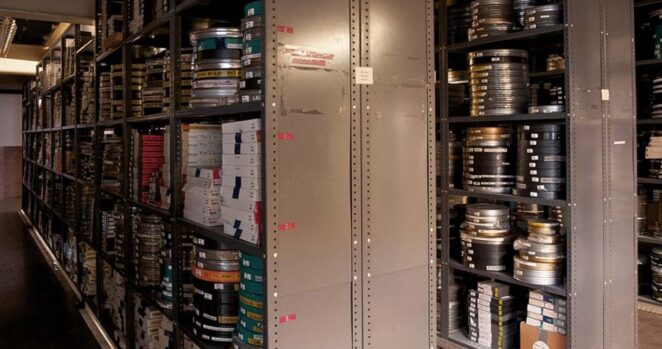
Not all archiving systems are the same. A strong archive storage solution should offer:
- Long-term durability to protect data for years
- Easy retrieval when archived files are needed
- Strong security, including encryption and access controls
- Scalability to handle growing data volumes
- Compliance support with audit trails and retention policies
The goal is to store data safely without making it hard to use later.
Who Needs Archiving?
Archiving is not just for large corporations. Many people and organizations benefit from it.
Businesses
Companies deal with contracts, invoices, emails, and customer data every day. Archive storage solutions help manage this data without slowing operations.
Healthcare Providers
Medical records must be stored securely for long periods. Archiving ensures compliance while keeping systems efficient.
Legal Firms
Case files and evidence often need to be kept for many years. Archiving provides secure and organized long-term access.
Schools and Universities
Student records, research data, and administrative files are perfect candidates for archiving.
Individuals
Photographers, content creators, and everyday users can archive old photos, videos, and documents to keep devices clutter-free.
When Should You Archive Data?

A good rule is to archive data when:
- It is no longer used daily
- It must be kept for legal or reference reasons
- It takes up valuable space on active systems
Many archive storage solutions allow automatic rules, such as archiving files that haven’t been opened in a set time.
The Long-Term Value of Archiving
Archiving is not just about storage—it’s about peace of mind. Knowing your important data is safe, organized, and accessible reduces stress and improves efficiency.
As data continues to grow, archive storage solutions will become even more important. They help you stay organized, save money, and protect valuable information without sacrificing access or security.
Best Practices for Effective Archiving
To get the most value from archiving, it’s important to follow a few best practices. Start by defining clear data retention policies so you know what should be archived and for how long. Label and categorize archived files properly to make future searches faster and easier.
Automation is also key-using rules to archive inactive data reduces manual effort and human error. Regularly review archived data to ensure it still meets legal and business requirements. Finally, test retrieval processes occasionally to confirm that archived data remains accessible when needed.
Final Thoughts
Archiving is a smart, forward-thinking approach to data management. Instead of letting old files slow you down or risk being lost, archiving gives them a safe home for the long term.
Whether you’re running a business or managing personal data, investing in the right archive storage solutions can make a big difference. It keeps your systems clean, your data secure, and your future protected.
