


 Nina Smith
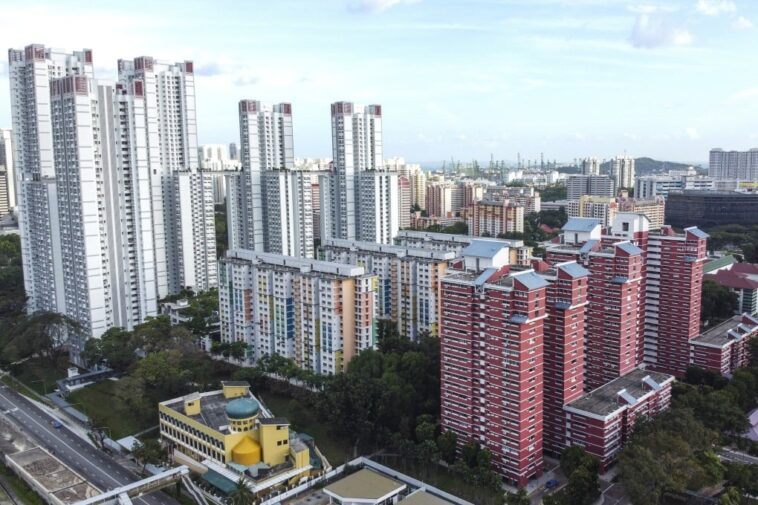
Housing in Singapore has always been closely tied to government policy. The Government Land Sales (GLS) programme, in particular, has an outsized influence on how prices move, how many new condominiums reach the market, and how developers decide where to launch projects.
For buyers, investors, and even renters, the cycle of GLS announcements can hint at future supply and price direction. To make smart choices, it helps to unpack how land supply decisions ripple through the housing market.
Why Government Land Sales Matter to Condo Buyers
Land in Singapore is scarce, with more than 80% of residents already in public housing. For private condominiums, the only way developers can build at scale is through GLS. The state releases land plots in confirmed lists or reserve lists, usually two times per year. Developers bid for these sites through competitive tenders, and the winning bids often make headlines.
What is shaping how buyers are affected?
- High GLS bids usually translate into higher launch prices since developers need to recover land and construction costs.
- Modest bidding reflects caution, which can result in more measured pricing at launch.
- Record bids often become a benchmark, with nearby projects adjusting prices upward to match market expectations.
Historical data shows a clear link between GLS activity and pricing trends. For example, a 2021 tender for a site at Lentor Central closed with a bid above $1,200 psf ppr. Within months, nearby projects launched at noticeably higher average prices.
Put simply, GLS sets the cost base for developers. Buyers eventually feel the impact because unit prices must cover both land and construction costs with a margin for profit.
How GLS Affects Availability of New Condos
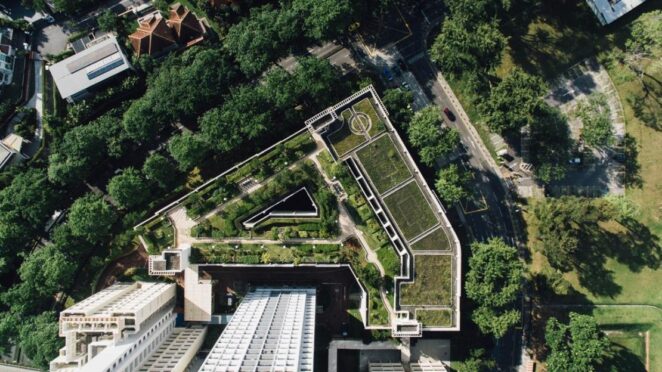
The GLS programme not only affects prices but also dictates where supply enters the market. A site release in Jurong Lake District, for instance, increases chances of new projects there within three to four years. Without GLS activity, some regions would see little or no fresh condo supply.
The timing of releases is equally important. If many sites are launched during the same cycle, a surge of completions could increase competition among developers. This can ease price growth temporarily. On the other hand, smaller release volumes tighten supply, leading to fewer choices for buyers and often stronger resale demand for existing units.
In 2023, the government released about 9,250 units worth of supply under the confirmed list, the highest since 2013. That was a clear policy move to cool prices after years of strong increases. More supply reaching the market gives buyers more options, which can soften upward pressure on launch pricing.
You can see the role of GLS most clearly in the projects that get built on the land the government puts up for sale. Skye at Holland sits in one of Singapore’s most desirable residential zones. The plot was released under GLS and attracted strong developer interest due to its proximity to Holland Village MRT, lifestyle amenities, and established schools.
For buyers, the presence of GLS-backed launches in prime neighborhoods signals long-term demand resilience. It also means resale value is likely to be supported by location advantages and limited land supply nearby.
Why Developers Bid Aggressively on GLS Sites
Developers often face fierce competition for attractive plots. Prime sites near MRT nodes or lifestyle hubs almost always see multiple bidders. In 2022, a site in Marina South drew nine bids, underscoring developer hunger for centrally located land.
Aggressive bidding can drive up land prices, which in turn raises break-even costs. For example:
- Land price sets the base: If a site is sold at $1,300 psf ppr, developers may need to launch above $2,100 psf to ensure profit.
- Construction costs add another layer: Recent inflation in raw materials like steel and cement increased cost pressures.
- Market sentiment influences bids: Positive demand outlook and strong household incomes embolden developers to stretch bids higher.
Ultimately, when developers secure sites at record levels, future condo launches in that area are unlikely to come cheap.
The Role of GLS in Price Stability
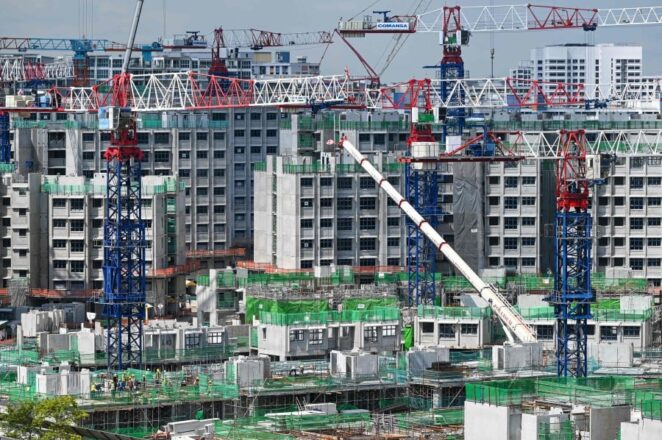
The GLS programme is not just about supplying land. It is also a tool for the government to moderate housing prices. By calibrating how much land enters the market, the authorities can respond to price spikes or dips.
For example, after strong price growth between 2017 and 2021, larger confirmed lists were introduced. This helped anchor expectations that supply would rise. When buyers see more land released, there is often less panic buying in the new-launch market.
Still, GLS cannot completely offset global economic forces. Rising interest rates in 2022 showed that financing conditions matter as much as land supply. Yet, GLS provides a consistent framework that helps avoid runaway shortages or oversupply.
Mid-Market Developments and Regional Growth
Condo launches tied to GLS also reflect broader planning priorities. For instance, land releases in areas like Tengah or Tampines support decentralization of housing. Instead of concentrating growth in the city core, GLS pushes new projects into emerging regional hubs.
A good example is Penrith, which highlights how projects outside the central area can gain traction. With strong transport links and nearby amenities, such launches appeal to families seeking balance between affordability and convenience. When GLS supports land supply in these zones, it spreads demand more evenly across Singapore, reducing overheating in central districts.
Impact on Resale and Rental Markets
GLS does not only matter for new launches. It also influences the resale and rental markets. When GLS supply is concentrated in one district, resale units nearby face competition. Buyers may prefer newer options with modern layouts and facilities, which can temper resale price growth in the short term.
For rentals, new GLS projects often inject fresh stock into the market. Expats and young professionals may gravitate to such developments due to location or lifestyle appeal. That can create temporary dips in rental prices if supply outpaces demand. Over time, however, overall housing needs absorb the stock, and rents stabilize.
Conclusion
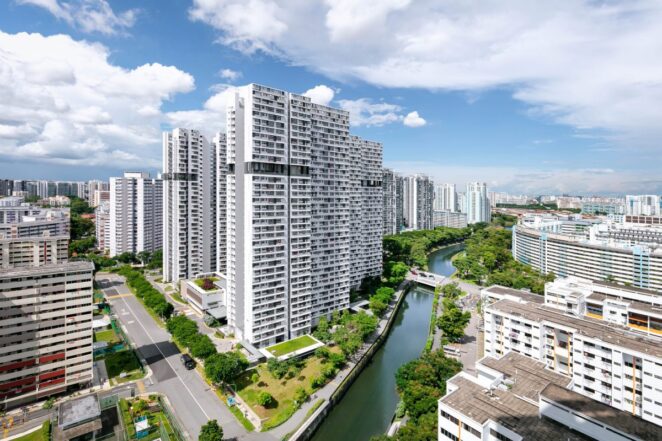
Government Land Sales shape more than just developer margins. They influence launch prices, availability of new condos, and even long-term planning of entire neighborhoods. For buyers, understanding GLS cycles can reveal where supply will appear, how much competition to expect, and what kind of price trends may follow.
Whether you are eyeing a prime address like Skye at Holland or considering regional growth options such as Penrith, keeping track of GLS announcements helps make more informed decisions. Housing in Singapore is not just about private negotiations between developers and buyers. It is also about how carefully curated land releases direct the entire market’s trajectory.
