


 Nina Smith

Jewelry has evolved from statement pieces into more personalized, layered expressions of style. The wrist, in particular, has become a focal point for showcasing this shift through thoughtful bracelet combinations.
Bracelet stacking has become a defining part of modern styling. Instead of wearing a single piece, the focus has shifted to layering multiple designs to create a more complete look. When done well, stacking diamond bracelets adds depth without making the wrist feel overstyled.
This approach is not about adding more for the sake of it. It’s about choosing pieces that work together in proportion, texture, and structure.
Why Diamond Bracelet Stacking Works
Stacking works because each bracelet contributes something different. A slim chain adds lightness, a structured cuff adds definition, and diamond tennis bracelets bring sparkle through their design.
When these elements are combined thoughtfully, the result feels balanced. The wrist becomes a space where different pieces come together without competing.
Start with a Core Piece
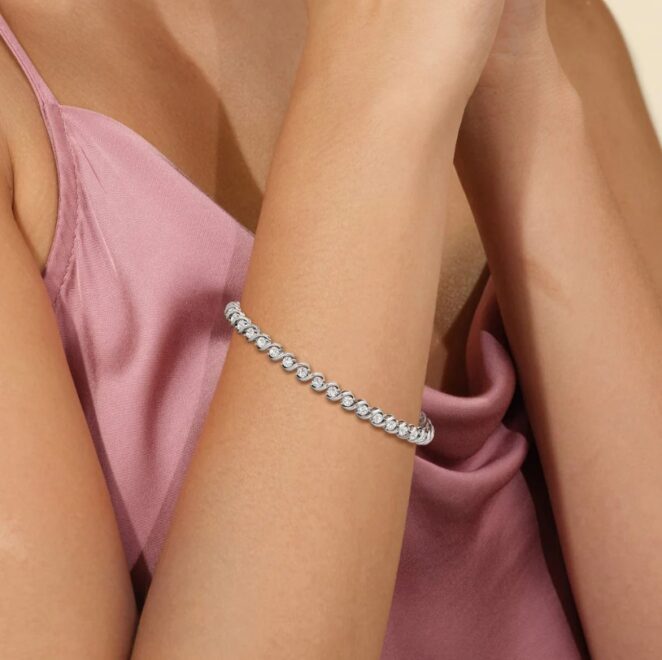
Every bracelet stack benefits from a starting point. In most cases, this hero piece is a diamond tennis bracelet. Its uniform design and clean structure make it easy to build around.
Once the base is set, additional bracelets can be layered alongside it. This ensures the stack has a clear foundation rather than feeling random.
Mix Textures, Not Just Designs
A strong stack is not only about different bracelet styles but also about texture. Pairing polished metal with more detailed designs creates contrast.
For example:
- A tennis bracelet paired with a slim chain bracelet
- A structured bangle combined with softer, flexible designs such as cable chains, link bracelets, or adjustable slider bracelets
This mix keeps the stack visually interesting while maintaining cohesion within diamond jewelry styling.
Balance Proportion and Fit
Proportion is key when stacking diamond bracelets. If all pieces are similar in width, the stack can feel flat. Combining different thicknesses creates variation.
It’s also important to ensure the bracelets sit comfortably together. They should move slightly but not overlap excessively. This balance keeps the stack wearable throughout the day.
Keep the Metal Tones Aligned
While mixing metals is possible, keeping metal tones aligned often creates a cleaner result. White, yellow, or rose gold can each define the overall look.
If mixing metals, it’s best to stick to two tones and repeat each at least once within the stack to keep the look balanced and intentional.
Adjust Based on the Occasion
Bracelet stacking can be adapted depending on where it’s worn.
- Everyday styling: One diamond tennis bracelet paired with one or two minimal pieces
- Workwear: Controlled stacks with slimmer designs such as delicate chain bracelets, bolo bracelets, or fine bangles that sit neatly on the wrist without feeling bulky
- Occasions: Slightly more layered combinations with varied textures
This flexibility allows the same set of bracelets to be styled differently without needing a completely new collection.

Add Pieces Over Time
A bracelet stack does not need to be built all at once. Many people add to it gradually, marking occasions, milestones, or personal preferences.
Over time, this creates a collection that feels personal. Each bracelet contributes to the overall look, making the stack more meaningful without needing to be overly detailed.
Keep the Styling Intentional
The most effective stacks are the ones that feel intentional. This doesn’t mean perfectly matching every piece, but ensuring they work together in size, texture, and structure.
Too many similar designs can feel repetitive, while too many contrasting elements can feel disconnected. The balance lies somewhere in between.
Understanding Movement and Flow in a Bracelet Stack
An often overlooked aspect of bracelet stacking is how the pieces move together. A well-styled stack should not feel rigid or overly fixed in place. Instead, there should be a natural flow when the wrist moves, allowing each bracelet to shift slightly without disrupting the overall composition.
This sense of movement adds a subtle dynamism to the look. Flexible designs such as chains or slider bracelets help soften the structure created by more rigid pieces like bangles or cuffs. When these are combined thoughtfully, the stack feels fluid rather than stiff.
At the same time, too much movement can create noise. If bracelets slide excessively or clash against each other, the stack can feel unrefined. The goal is controlled motion, enough to bring life to the styling, but not so much that it becomes distracting.
Creating Visual Rhythm Through Repetition
Another effective technique in bracelet stacking is the use of repetition. This does not mean duplicating identical pieces, but rather echoing certain elements across the stack to create visual rhythm.
This can be achieved by:
- Repeating similar diamond settings in different bracelet styles
- Incorporating consistent link shapes or patterns
- Balancing polished and textured finishes across multiple pieces
Repetition helps unify the stack, especially when mixing different designs. It gives the eye a sense of continuity, making the overall look feel cohesive rather than fragmented.
When used subtly, this approach enhances the sophistication of the stack without making it appear overly coordinated.
Minimalism vs. Layered Statement Styling
Bracelet stacking does not follow a single formula. Some prefer a minimal approach, while others lean toward more expressive, layered combinations. Understanding the difference between these styles can help refine how a stack is built.
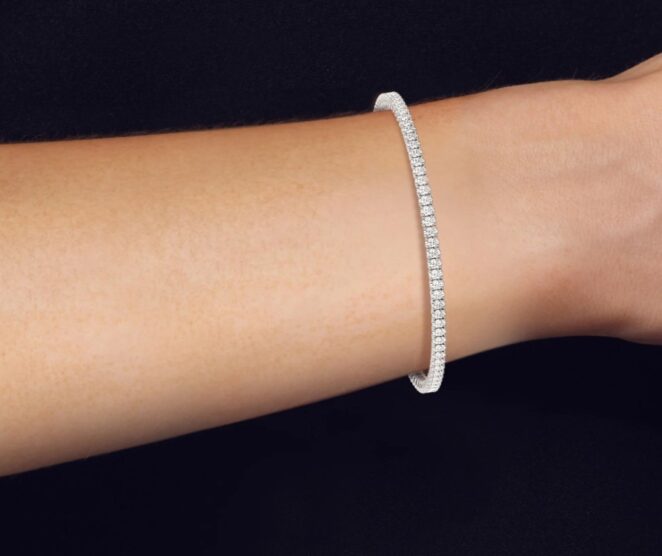
A minimal stack focuses on restraint. It typically includes a key diamond bracelet paired with one or two understated pieces. The emphasis is on clarity and precision, allowing each bracelet to stand out without distraction.
In contrast, a more layered approach introduces additional elements, varied textures, multiple thicknesses, and a broader mix of designs. This creates a richer visual effect while still maintaining balance.
Neither approach is inherently better. The choice depends on personal style and context. What remains consistent is the importance of intention behind each combination.
Final Thought
Stacking diamond bracelets is less about following rules and more about understanding balance. A well-styled wrist combines structure, variation, and comfort, allowing each piece to contribute without overwhelming the look.
For those exploring layered styling, collections at With Clarity offer a range of bracelets, including diamond tennis bracelets, that can be combined easily, making it simpler to build a stack that feels refined, adaptable, and aligned with modern diamond jewelry preferences.
