


 Nina Smith
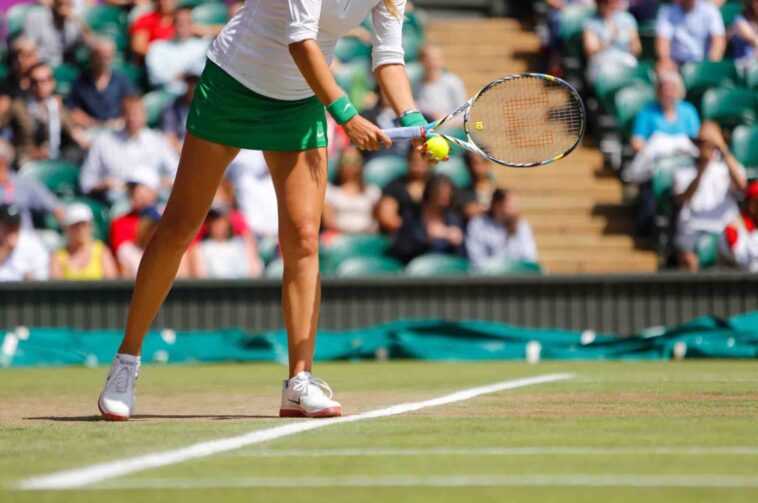
There’s something about the first set in tennis that feels a bit more honest than everything that comes after it. Not cleaner, not more predictable. Just… less adjusted. By the time a match ends, what you’re looking at is a version that’s already been shaped.
Players have adapted, slowed things down, changed patterns, maybe even drifted mentally and then pulled themselves back in. The final score reflects all of that. It’s layered. The first set usually isn’t.
Before the Corrections Begin
When a match starts, both players come in with a plan that hasn’t been tested yet. In tennis betting, that first stretch feels a bit raw. You see their natural tempo straight away, how quickly they’re willing to take risks, how they handle serve when there’s no real pressure yet beyond the moment itself. That’s why the opening games tend to reveal more than people expect.
A player like Novak Djokovic often begins by reading the court rather than forcing it. Others come out sharper, looking to take control early before anything settles. That contrast shows up almost immediately, long before the match finds anything close to a rhythm.
From a betting point of view, that early stretch carries a kind of information you don’t really get later on. It’s not polished, but it’s honest. Because once the match moves forward, both players start reacting to each other.
Adjustments come in, patterns shift, and what you’re watching becomes a response rather than a starting point. In the first set, they’re still just playing their own game.

Tempo Is Set Early, Even If the Score Changes
You can feel pretty quickly what kind of match it’s going to be. Some matches open tight. Holds come easily, rallies stay balanced, nothing breaks for a while. Others feel unstable from the first few games. Break points show up early, second serves get attacked, points end quicker than expected.
That underlying tempo doesn’t always match the final score. You’ll see matches where the first set is close, maybe 7–5, and then everything opens up in the second. Or the opposite. A messy 6–2 that suddenly turns into a long, controlled battle. But the important part is this. The first set tells you how the match is being played, not just how it’s being scored. And that distinction matters more than people think.
Momentum Is Clearer Before It Becomes a Narrative
Later in a match, momentum gets complicated. A player might be ahead but struggling physically. Another might be behind but growing into the match. Crowd influence, frustration, small injuries, all of it starts to mix in. In the first set, momentum is simpler.
It shows up in small details. How clean the service games are. Whether returns are landing deep or floating short. How often a player is arriving early to the ball versus reacting late. You don’t need a full match to see that. And once it shifts, it tends to stay in some form, even if the scoreboard evens out later.
Why Markets Often Lag Behind the First Set
Pre-match odds are built on form, rankings, surface history. All of that matters, but it’s still a projection. The first set is the first real piece of evidence. And it often comes in slightly ahead of the market’s ability to adjust.
You’ll see it when a favorite wins the set but doesn’t look fully comfortable. The price still reflects control, but the match doesn’t quite feel that way. Or when an underdog loses 6–4 but is clearly dictating longer rallies.
That gap between the score and the feel is where first-set betting starts to stand out. Platforms like betway tend to react quickly, but even then, what you’re watching in real time can carry a bit more nuance than what’s reflected in the numbers.
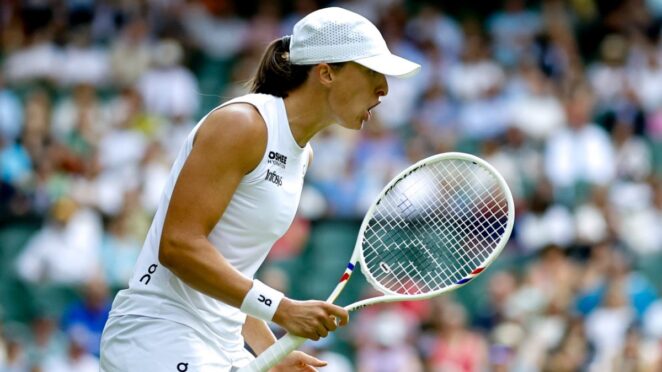
Reading Between the Points
What often separates surface-level observation from useful insight is what happens between the obvious moments. The scoreboard tells you who won the game, but not how it unfolded. In the first set especially, those in-between details are still pure, not yet distorted by pressure or fatigue.
Consider a few subtle indicators that tend to show up early:
- First-serve patterns: Is a player relying heavily on one direction or mixing it up naturally?
- Return positioning: Are they stepping in aggressively or staying cautious behind the baseline?
- Rally tolerance: Do they look comfortable extending points, or are they forcing early finishes?
These aren’t things that suddenly appear later – they’re established immediately. And while players can adjust, they rarely change their instinctive tendencies completely. That’s why the first set becomes such a useful reference point. It gives you a baseline of intent, not just execution.
When Adjustments Start to Blur the Picture
As the match progresses, clarity begins to fade – not because the tennis gets worse, but because it becomes layered with reactions. What you’re seeing is no longer pure intent; it’s adaptation.
A player who struggled with returns early might step back and neutralize the problem. Another who dominated short rallies may suddenly slow things down to conserve energy. These changes make the match harder to read in a clean way.
Over time, several factors start overlapping:
- Tactical adjustments
- Physical wear
- Emotional swings
- Opponent-specific reactions
By the second or third set, isolating any single factor becomes difficult. The first set doesn’t have that issue. It exists before the match becomes a negotiation between two evolving strategies. That’s why its value isn’t just in what happens – but in when it happens.
Using First-Set Insight Without Overcommitting
There’s a tendency to treat the first set as definitive, when it’s better understood as directional. It doesn’t give answers, it gives context.
The most effective way to use it is by pairing observation with restraint:
- Recognize patterns, but don’t assume permanence
- Separate scoreline from actual control
- Watch for consistency rather than isolated moments
The goal isn’t certainty. It’s awareness. Because once the match moves past that initial phase, you’re no longer reading a clear signal, you’re interpreting a story that’s already been edited.

It’s Not About Predicting the Winner
This is where people usually get it wrong. First-set betting isn’t really about calling the final result early. It’s about reading what kind of match is unfolding before it fully develops. Sometimes the player who takes the first set fades. Sometimes they grow stronger. The point isn’t the direction. It’s the signal.
Because that opening stretch, before adjustments, before fatigue, before everything starts blending together, is often the clearest version of the match you’re going to get. After that, it’s still tennis. Just a little less transparent.
