


 Alana Harrington
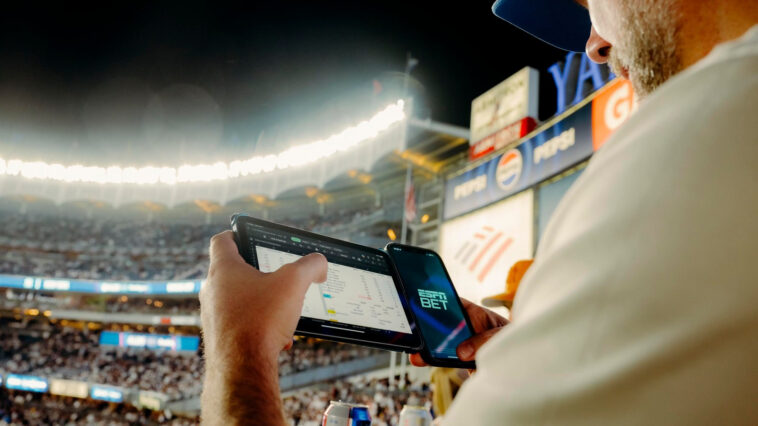
Sports betting used to be easier to separate from the match itself. A fan would look at the odds, make a pick before kickoff, and then wait.
The bet sat in the background while the game did whatever the game was going to do. That version still exists, of course.
Plenty of people still prefer a simple pre-match bet and leave it there. But the wider betting culture has changed. It now sits much closer to the way people follow sport in real time.
The same phone that shows the lineup also shows the odds. The same app that sends a score alert may sit next to a sportsbook.
The match is on television, the group chat is open, and someone is checking whether the price has moved after a red card.
That is the modern sports betting environment. Less separate. More connected to the live experience.
Live Betting Made Timing Part of the Product
Pre-match betting gives people time. You can look at form, compare prices, check lineups, read previews, and decide calmly.
Live betting is different. It moves with the event. A goal changes the football market instantly. A red card changes not only the match winner, but totals, cards, corners, player markets, and even the next goal market.
In the NBA, a 12-point run can change a spread within minutes. A coach taking out a key player with foul trouble can shift props and totals before casual viewers fully notice what happened.
That creates a different kind of betting behaviour. It rewards people who watch the game closely, but it also punishes rushed reactions.
The danger with live betting is that everything feels urgent. A market moves, and the user feels they have to move too.
But not every change is an opportunity. Sometimes the price has already adjusted. Sometimes the emotion of the moment is louder than the real value.
Good live betting usually starts before the match. A bettor has an idea in mind: one team fades late, one side starts fast, one basketball bench struggles, one tennis player often drops level after long rallies. Then, during the game, the bettor is watching for confirmation, not just chasing noise.
Different Sports Create Different Habits
Sport betting is not the same from one sport to another. Football, basketball, tennis, cricket, rugby, baseball, and combat sports all ask for different thinking. Football betting often depends on patience. Goals are rare enough that one moment can decide everything.
A team can dominate possession and still fail to score. That makes markets like corners, shots, cards, and both teams to score interesting because they sometimes tell a fuller story than the final result. Basketball is faster and more statistical.
Runs matter. Pace matters. Rotations matter. One player’s minutes can affect several markets at once. In the NBA, back-to-back games, travel, rest, and late injury news can be just as important as team form. Tennis is more individual.
There are no teammates to hide behind. A player’s serve rhythm, fitness, mental state, and surface preference can change the whole match.
A break of serve may look like one small moment, but in betting terms it can completely reshape the market. Cricket brings another rhythm entirely. Conditions, pitch behaviour, toss decisions, batting order, and format all matter. A T20 match creates one type of betting pressure.
A Test match creates another. The same sport can feel completely different depending on the format.
That is why serious betting does not start with the odds screen. It starts with understanding the sport.
Betting Apps Became Part of the Matchday Routine
The rise of betting apps changed the lifestyle around betting. People no longer need to plan around a physical location or wait until they are at a computer.
The sportsbook is already in their pocket. That convenience sounds simple, but it changed expectations. Users now expect fast login, clean navigation, quick deposits, clear bet slips, smooth cash-out tools, and live odds that update without confusion.
If the app is slow, the experience feels behind the match. If a bet confirmation hangs for too long, trust drops. If the market closes without explanation, the user gets frustrated.
In sports betting, timing is part of the product. A good app does not only offer markets. It keeps the user close to the event without making them fight the interface.
This is especially true during big sports moments. A derby, a playoff game, a title race weekend, a World Cup match, or a cup final can bring casual and regular bettors into the same space. The app has to handle that pressure smoothly.
The Social Side of Betting
Sports betting also became more social. A lot of it now lives in group chats, screenshots, shared slips, jokes, bad beats, and arguments about value.
Someone sends a bet before kickoff. Someone else calls it terrible. A late goal ruins it. A lucky rebound saves it. The group reacts as if the bet belonged to everyone.
That kind of social energy has become part of modern sports culture. It is not always about huge stakes.
Often, the bet gives people another reason to care about a match they were already watching, or even a match they would not have watched otherwise.
But the social side can also push people into poor decisions. Nobody wants to be the one who missed the “obvious” pick everyone else took.
Nobody wants to sit out when the chat is celebrating. That is where discipline matters. A shared bet can be fun, but it should not replace personal judgement.
Data Made Fans More Informed
The average sports fan now has access to information that used to belong mostly to analysts, broadcasters, or professional traders.
Expected goals, shot maps, player heat maps, pace data, usage rates, injury reports, lineup projections, serve percentages, possession chains, and advanced box scores are all easy to find.
This changed betting language. Fans no longer talk only about who “looks better.” They talk about chance quality, pressure, fatigue, rotation, shot selection, matchup problems, and whether the market has overreacted.
That does not mean every bettor is sharp. More information can also create more noise. A stat without context can be just as dangerous as a blind guess.
But data has made betting feel more connected to analysis than before. The best bettors usually use data to support what they see, not to replace watching completely.
Big Events Bring Different Pressure

Betting during major events has its own personality. A World Cup, Champions League knockout tie, NBA playoff series, tennis Grand Slam, or Super Bowl does not feel like a normal fixture.
The public money is heavier. The emotional pull is stronger. Casual bettors arrive. National pride, club loyalty, and media hype can push markets in strange directions.
That is why big events require more caution. A famous team is not always value. A star player does not solve every tactical problem. A favourite may only need a draw.
A team that looks weaker on paper may be perfectly built for a knockout match.
Big events are exciting, but they also create some of the easiest traps. The story around the game can become louder than the game itself.
The Need for Control
Any honest article about sports betting has to mention control. The convenience that makes modern betting easy also makes it easier to overdo. A good betting habit starts with limits.
Decide the budget before the match. Avoid chasing losses. Do not increase stakes just because a previous bet lost. Do not bet on every game just because it is available.
Being able to watch sport without betting on it is part of staying in control. Sports betting should add interest to sport, not take over the sport. The healthiest version is selective.
Pick the matches you understand. Choose markets you can explain clearly. Accept that losing is part of it. Stay away from bets made only out of boredom, anger, or pressure from friends.
The Modern Betting Fan
Sports betting today is part of a wider sports routine. It sits beside live scores, stats, group chats, streaming, fantasy games, and social media. It has become another layer around the match.
At its best, it makes fans watch more closely. They notice tempo, substitutions, fatigue, player roles, and momentum. They follow the sport with sharper attention.
But the centre should still be the game. The goal, the comeback, the missed shot, the final over, the late foul, the last serve.
Betting can make those moments feel bigger, but it should not be the only reason they matter. That is the real shape of sports betting now. It is not only about odds. It is about timing, information, technology, habits, and the way fans move between the match and the screen while the game is still alive.
