


 Alek
Alek
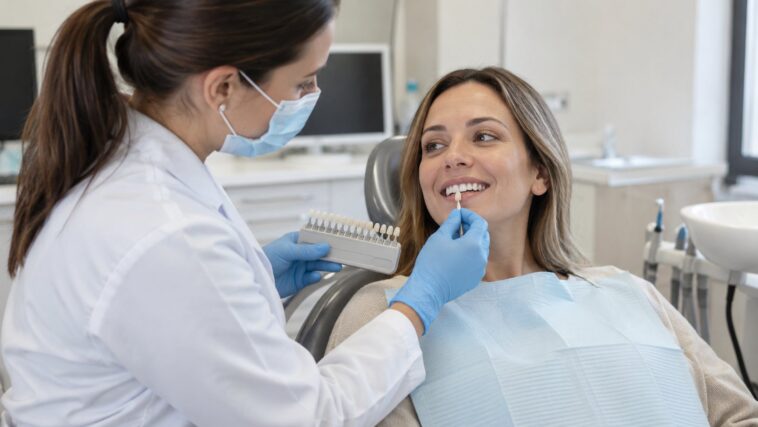
A brighter smile is one of the main reasons people reach for whitening strips, gels, toothpaste, and professional dental treatments.
Results can vary significantly because not every type of discoloration reacts in the same way.
Surface staining, also known as extrinsic staining, usually develops because of coffee, tea, tobacco, certain foods, and strongly colored drinks. Intrinsic discoloration develops inside the tooth structure and may be harder to change with basic stain-removing products.
Whitening methods generally work in one of two ways. Some products physically polish away stains sitting on the tooth surface. Others chemically bleach discoloration inside the tooth.
Knowing how each method works can help explain why some treatments visibly brighten teeth while others mainly remove surface buildup.
What Dentists Really Do During Teeth Whitening
Professional whitening involves more than applying a strong peroxide gel.
Dental professionals first determine why teeth are discolored and check for conditions that could make whitening uncomfortable, ineffective, or inappropriate.
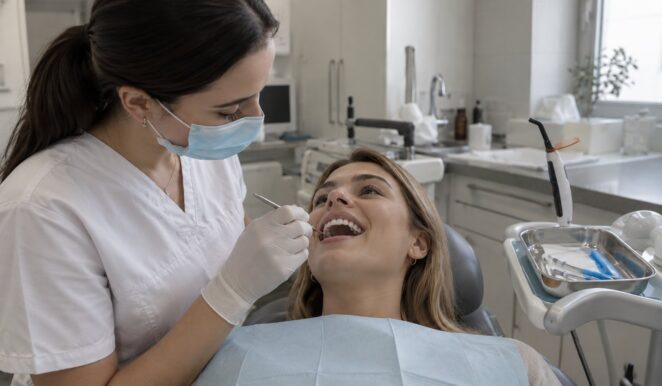
Dentists Examine Your Teeth Before Whitening
A dental examination may look for cavities, cracks, gum disease, worn enamel, exposed root surfaces, and existing restorations.
Clinics such as Tannlege Team provide dental examinations alongside cosmetic treatments such as professional teeth whitening, making an initial checkup a practical first step before choosing a bleaching method.
Untreated decay or cracked teeth can allow peroxide to irritate sensitive internal structures.
Exposed roots can also react strongly because root surfaces do not have the same enamel covering as the visible crown of a tooth.
Dentists Choose Concentration and Exposure Time Carefully
Professional treatment does not simply mean choosing the strongest available gel.
Peroxide concentration, treatment duration, number of sessions, existing sensitivity, and desired whitening level all influence the treatment plan.
Someone with sensitive teeth may need shorter sessions or a lower concentration. Another patient may tolerate stronger in-office whitening with appropriate monitoring.
Controlled treatment allows whitening to continue without automatically increasing intensity.
Gum Protection Matters
Professional whitening procedures commonly use protective barriers around the gums before bleaching gel is placed on the teeth.
Any gel that contacts sensitive tissue can be removed quickly during treatment.
Such protection is particularly important during in-office procedures because peroxide levels can be much higher than those used in many household products.
Existing Dental Work Changes the Whitening Plan
Fillings, composite bonding, crowns, veneers, and other restorative materials do not always react to bleaching in the same way as natural tooth structure.
Research has also reported color or surface changes in certain restorative materials after bleaching.
Natural teeth may become lighter while an existing crown or filling keeps roughly its original shade. Color differences can become more noticeable after whitening, especially on front teeth.
Dentists can account for this before treatment and discuss possible cosmetic adjustments if necessary.
What Teeth Whitening Methods Actually Work?
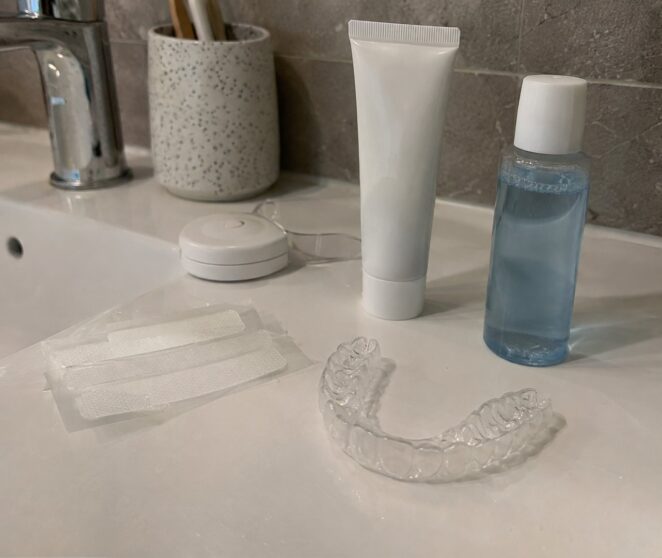
Peroxide-based treatments have the strongest scientific support for changing tooth color. Results depend on concentration, exposure time, product design, stain type, and how consistently treatment is used.
Hydrogen Peroxide and Carbamide Peroxide
Hydrogen peroxide and carbamide peroxide work by oxidizing chromogens, which are colored molecules responsible for much of the visible discoloration inside teeth.
Oxidation breaks larger colored molecules into smaller compounds that absorb less visible light. Teeth consequently appear lighter.
Higher peroxide percentages do not automatically produce a better final result. Concentration often affects how quickly whitening happens more than how white teeth eventually become.
At-Home Whitening Trays
Custom or properly fitted whitening trays can provide significant whitening when peroxide gel is used consistently.
One clinical trial comparing different treatment approaches found that 10% carbamide peroxide produced a similar degree of whitening to 35% hydrogen peroxide used during an in-office procedure.
Important differences appeared in comfort rather than final color alone. In-office treatment caused more immediate sensitivity.
Such findings help explain why slower whitening with a lower peroxide concentration can still produce substantial results without exposing teeth to a very strong gel in a single session.
Whitening Strips and Gels
View this post on Instagram
Over-the-counter whitening strips and gels can work when they contain an effective bleaching ingredient and are used correctly.
Typical improvement sits at around one to two shades. Results can differ based on the original tooth color, type of staining, peroxide concentration, treatment schedule, and product contact with each tooth.
Consistent application matters. Skipping treatments or removing strips too early can reduce how much whitening occurs.
Whitening Toothpaste
Whitening toothpaste works differently compared with peroxide bleaching products.
Most formulas rely heavily on mild abrasives that polish away stains attached to enamel. Such products are therefore better suited to coffee, tea, tobacco, and food-related surface discoloration than discoloration located inside the tooth.
Typical improvement is around one to two shades.
Whitening toothpaste can help maintain a cleaner-looking surface, but expectations should stay realistic.
Abrasive polishing does not chemically bleach teeth in the same way peroxide does.
More Gel and Longer Treatment Are Not Always Better
Extending treatment time does not necessarily keep increasing whitening.
Research involving 10% carbamide peroxide used for periods ranging between one and eight hours found similar whitening results across different exposure periods. Very little active whitening agent was left after around four hours.
Such data suggests that keeping whitening gel on teeth far longer than recommended may add irritation without creating a meaningful improvement in color.
Common Teeth Whitening Myths

Marketing claims and social media trends have created several misconceptions about whitening. Some claims exaggerate how dangerous established treatments are, while others promote methods with little evidence behind them.
Myth #1 – Whitening Destroys Enamel
Properly used peroxide whitening is generally considered safe and effective.
Problems become more likely when treatments are overly aggressive. Laboratory studies involving intense bleaching conditions have reported enamel softening, increased surface roughness, and greater susceptibility to demineralization.
Such findings do not mean every peroxide treatment damages enamel. Concentration, exposure time, frequency, formulation, and existing dental problems all affect risk.
Following product instructions and avoiding excessive bleaching are therefore important parts of safer whitening.
Myth #2 – Stronger Whitening Gel Always Gives Better Results
A higher peroxide concentration can speed up whitening during early treatment, but stronger gel does not guarantee a better final shade.
Research comparing lower and higher concentrations has found that both approaches can eventually reach similar whitening results.
Sensitivity creates the bigger difference. Stronger peroxide concentrations are associated with a greater likelihood and intensity of tooth sensitivity.
Using more powerful gel simply to speed up treatment may therefore trade comfort for a shorter whitening period without improving the final outcome.
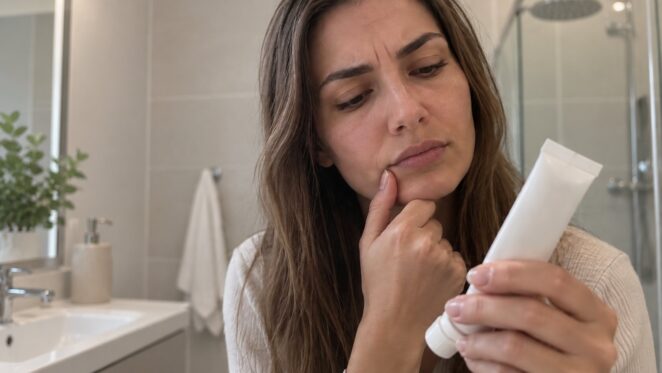
Myth #3 – LED and Laser Lights Make Whitening Much More Effective
Bright lights often make professional whitening procedures look more advanced, but evidence does not consistently show that light activation improves the final result.
Research involving hydrogen peroxide concentrations between 25% and 35% found no meaningful improvement in whitening when light was added.
Sensitivity may increase when heat or light activation accompanies peroxide treatment.
Whitening action primarily comes through peroxide chemistry rather than the lamp positioned in front of the teeth.
Myth #4 – Charcoal and Natural Remedies Are Safer
Charcoal products have become popular because they can make teeth feel polished after brushing. Most of their whitening effect comes through abrasion rather than chemical bleaching.
Abrasive particles can remove some surface stains, but aggressive scrubbing may also wear enamel over time.
Acidic home remedies create another concern. Lemon juice and similar acidic ingredients can soften enamel and increase erosion risk.
Combining acidic ingredients with abrasive materials can be especially problematic because softened enamel may become easier to wear away during brushing.
FAQs
Summary
Peroxide-based bleaching has the strongest evidence behind modern teeth whitening.
Professional dental whitening adds more than a stronger product.
Dentists assess cavities, cracks, gum health, exposed roots, sensitivity, and existing restorations before selecting peroxide concentration and treatment duration. It’s important to visit your dentist at least once a year for a regular checkup to prevent any complications.
More aggressive treatment does not automatically produce whiter teeth.
Evidence shows that appropriately used lower-concentration peroxide can reach results comparable to stronger treatments in some situations, while excessive concentration or exposure mainly increases the risk of sensitivity, irritation, and other unwanted effects.
