


 Keiran Castro

Everyone knows a new addition needs a permit. The surprises are the smaller jobs: the weekend fence, the patio, the water heater swap, the dead tree by the garage. Plenty of home improvement projects quietly need a sign off from the city, the county, or an HOA, and nobody mentions it until a neighbor complains or a buyer’s inspector starts asking questions.
This guide covers the jobs that slip under the radar and how far the rules swing between states. It also shows how to check before you spend a dime. Consider it the talk you wish you had before renting that jackhammer.
Key Takeaways
- Patios, sheds, fences, and water heater swaps often need a permit even when they feel minor.
- Model code exemptions exist, but cities and counties regularly tighten them.
- Removing a tree, even a dead one, can require city approval in places like Atlanta.
- HOA approval is a separate layer from city permits, and skipping it can end in fines or a lien.
- Rules range from no county permits in parts of rural Texas to multi office sign offs in New Jersey.
- A quick call to your building department and a simple site plan save far more time than they cost.
The Projects Most People Assume Are Exempt
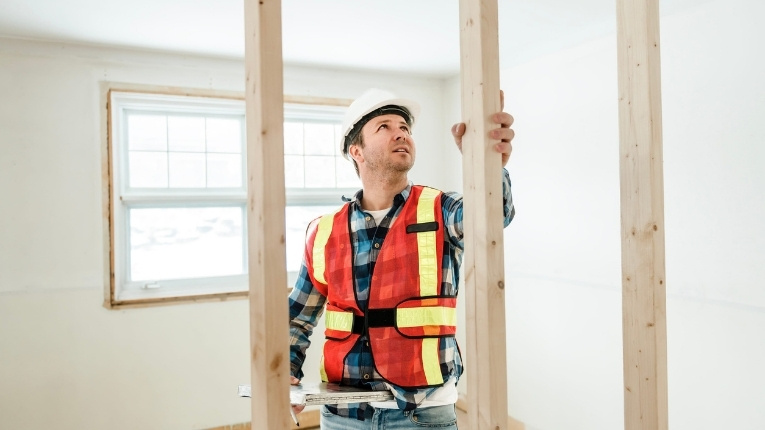
Most US building departments work from the International Residential Code, which lists a handful of jobs that skip the permit. Every jurisdiction can adopt that list as written, trim it, or rewrite parts of it. So the same shed that sails through in one town can trigger a full review two counties over.
Sheds, Fences, and Decks Near the Size Limits
Under the model code, a one story detached shed up to 200 square feet usually needs no permit, and neither does a freestanding deck under 200 square feet that sits no more than 30 inches above grade.
The City of Federal Way in Washington publishes that list, yet caps exempt fences at 6 feet and drops every exemption near wetlands, streams, or landslide hazard areas. Attach the deck to the house, or go one square foot over the limit, and you are in permit territory.
Patios, Driveways, and Demolition
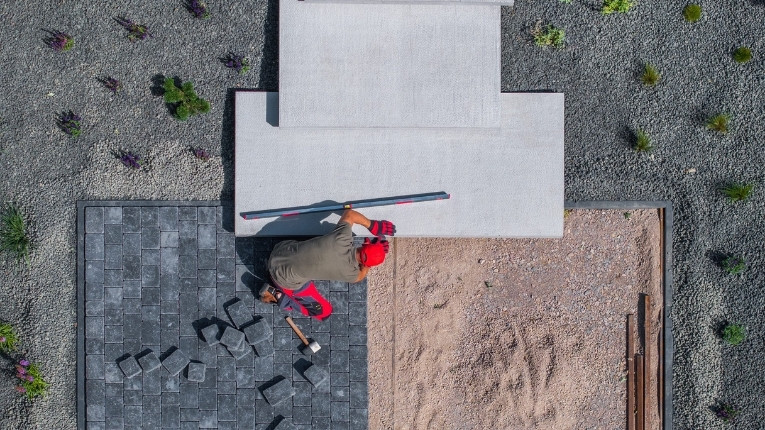
Flat work feels harmless because nothing sticks up out of the ground. The Borough of Oradell in New Jersey publishes an approval chart that sends patios, driveways, fences, and demolition through several separate offices, often with stormwater review.
Tearing down an old shed counts too, and once you have the green light, hiring a junk removal service early beats staring at a growing debris pile.
Water Heaters, Circuits, and Bathroom Moves
A water heater swap touches gas lines, venting, and pressure relief, which is exactly what plumbing inspectors care about. Adding a circuit for a hot tub, an EV charger, or hardwired smart home upgrades usually needs an electrical permit as well.
If you are planning on installing a hot tub by yourself, this next video might come in handy.
Taking Down a Tree
This one surprises almost everyone. The City of Atlanta requires a permit to remove hardwoods 6 inches or more in diameter and pines 12 inches or more on private property. Dead, dying, or hazardous trees still go through a permit, though the city issues those free of charge.
The Second Gatekeeper: Your HOA

A city permit and an HOA approval are two different things, and one does not cover the other. According to Homes, most exterior changes go to an architectural review committee that typically answers within 30 to 60 days. Skipping it can lead to fines, forced removal, or a lien, even for storm doors and video doorbells.
State law can cut in surprising directions, too. Homes.com notes that associations in at least 29 states cannot ban solar panels outright, though they may regulate placement. Florida’s section 604.71, published by the Florida Senate, bars cities and counties from regulating residential vegetable gardens, yet your HOA covenants may still decide the fate of that front yard tomato bed.
How Much the Rules Swing From State to State
Permit culture is far from uniform. Some places barely regulate work outside city limits, while others want several offices to weigh in on a patio. The table below shows how far apart the extremes sit.
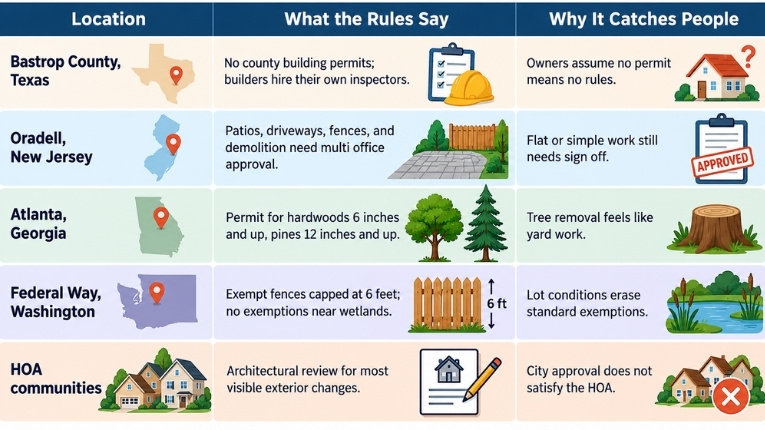
Texas shows the opposite extreme. Bastrop County states plainly that it does not issue building permits or certificates of occupancy in its unincorporated areas.
New homes and large additions there must still substantially conform to the International Residential Code, with three inspections the builder arranges privately, so fewer forms never means fewer rules.
How to Check Before You Start
View this post on Instagram
None of this means you need a lawyer for your home improvement projects. It does mean spending fifteen minutes on research before you buy materials. A simple routine covers most situations:
- Call your city or county building department and describe the project in plain words.
- Ask whether your lot sits in a flood zone, historic district, or sensitive area.
- Read your HOA covenants before you hire anyone.
- Get written approval in hand before work begins.
- Keep permits and final inspections with your home records.
Many offices and HOA committees also ask for a site plan showing property lines, setbacks, and where the new structure will sit. You can sketch one yourself or use Get A Site Plan permit drawings when the office wants something cleaner. A clear drawing usually means fewer rounds of questions and a faster yes.
FAQ
Final Thoughts
The tricky part about home improvement projects is that the risky ones rarely look risky. A patio, a tree, or a water heater can bring an inspector or an HOA letter to your door if you skip the quick check up front.
A few phone calls and a simple drawing are a small price for peace of mind, and then you can get back to the fun part, like furnishing the finished space.
