


 Nina Smith

Frequent travel can create more than memories. Repeated visits, firsthand hotel experience, knowledge of local transportation, and familiarity with activities can become valuable assets that other travelers are willing to pay for.
Travel spending also indicates a significant commercial opportunity.
Travel & Tourism generated $10.9 trillion in 2024, while international travelers spent $1.87 trillion. International visitor spending was forecast to reach a record $2.1 trillion in 2025.
People who travel often can turn practical destination knowledge into income through travel planning, blogging, affiliate marketing, digital products, hosted group trips, and paid brand content.
Now, let us touch upon the options frequent travelers have to turn their knowledge into profit.
Become a Travel Agent

Becoming a travel agent gives frequent travelers a direct way to earn money by helping clients plan and book trips.
Firsthand knowledge can be especially useful when clients need help choosing hotels, transportation, activities, neighborhoods, or complete itineraries.
Several revenue options allow agents to charge for different parts of the planning process:
- Booking commissions can provide income when clients reserve eligible hotels, cruises, tours, or other travel services.
- Planning fees can compensate an agent for building a detailed trip plan before reservations are made.
- Consultation fees can cover shorter sessions for travelers who need expert advice without full booking assistance.
Specialization can make personal travel experience more valuable. Requirements can also depend on where an agent operates.
People searching for ways to obtain a travel agent license should check the rules that apply in their state, since many U.S. states do not require a general occupational license specifically for travel agents, while certain seller-of-travel or related requirements may still apply.
Host agencies like Yeti Travel can provide access to training, supplier systems, booking tools, and industry support for new advisors.
Industry spending also shows how much money moves through travel each year. Travel & Tourism generated $10.9 trillion in 2024, while international travelers spent $1.87 trillion during the same year.
Create a Travel Blog or Website
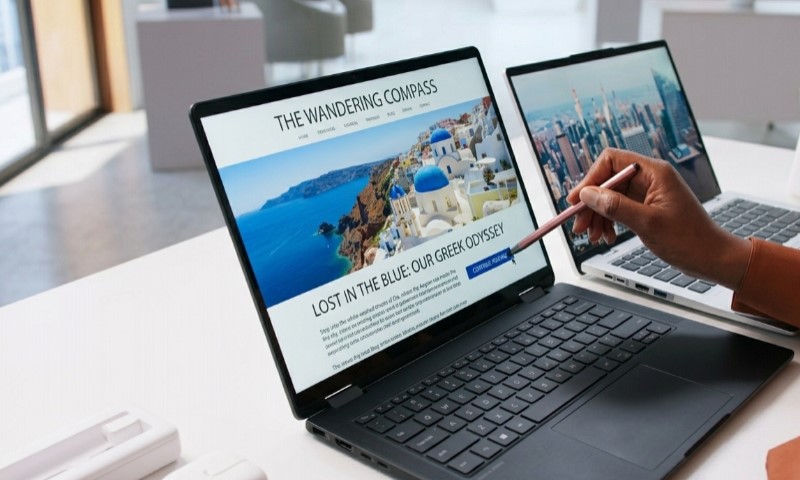
A travel blog or website can turn personal experience into an ongoing source of income.
Destination guides, hotel recommendations, itineraries, transportation tips, restaurant suggestions, and practical travel advice can attract readers who are actively planning trips.
Travelers consume substantial amounts of information before making reservations.
Expedia Group research found that travelers viewed an average of 141 pages of travel content during the 45 days before booking and spent about 303 minutes consuming travel material. U.S. travelers spent close to nine hours doing so.
Its founder says he became a full-time professional travel blogger two years after starting.
Revenue does not need to depend on a single method. A travel website can combine several income sources that work alongside editorial content:
- Affiliate commissions can generate income when readers book recommended travel services.
- Banner advertising can monetize traffic across frequently visited pages.
- Book sales can turn accumulated travel expertise into a separate paid product.
- Sponsored content can provide direct payments for eligible brand collaborations.
- Digital products can create additional income without requiring a new client for every sale.
- Email marketing can help publishers promote products, partnerships, and useful offers to returning readers.
Affiliate links can become particularly important because they connect practical recommendations with bookings readers may already be considering.
Frequent travelers have an advantage because they can build content around places they have actually visited.
Earn Through Affiliate Recommendations
View this post on Instagram
Affiliate marketing allows travel creators to earn a commission when readers purchase products or services through tracked links.
Hotels, tours, travel insurance, booking platforms, transportation services, luggage, and other travel products can fit naturally into destination-focused content.
Indie Traveller uses affiliate links for services such as Hostelworld and places booking links alongside hotel and tour recommendations.
Such placement connects useful advice with an action readers may already be considering.
Different types of travel content create natural opportunities for commercial recommendations:
- Hotel reviews can direct interested readers to reservation pages after providing practical details about location, room quality, or amenities.
- City itineraries can connect readers with tours or activities that fit specific days in a trip plan.
- Transportation pages can include relevant booking tools, train passes, airport transfers, or similar services.
Creators also keep control over which products and services they recommend.
Trust matters because long-term affiliate income depends on readers believing that recommendations are useful and relevant.
Strong affiliate content often works best when commercial links support practical information instead of replacing it. Readers usually arrive with a problem to solve, and useful recommendations can help them move toward a purchase decision.
Sell Travel Guides and Itineraries
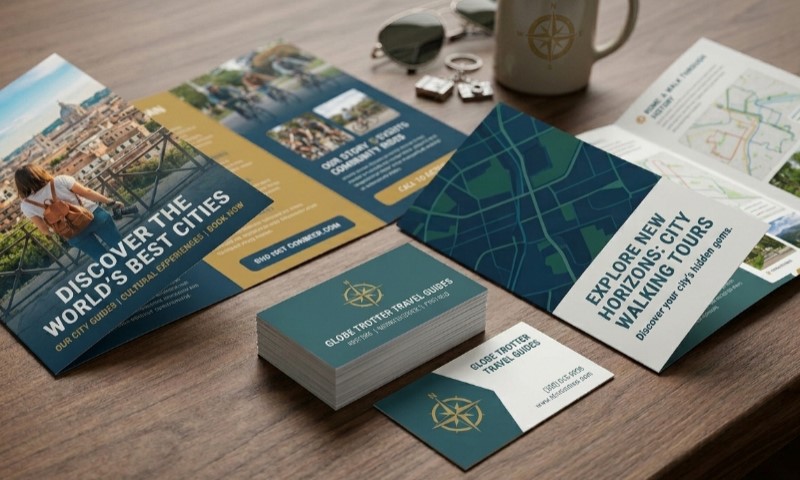
Frequent travelers can package destination knowledge into products that buyers can use repeatedly.
City guides, detailed itineraries, eBooks, maps, printable planners, destination photography, and trip-planning templates can all become paid products.
Indie Traveller earns money through book sales, showing how travel knowledge can become a separate product line.
Digital products can be especially practical because one finished item can be sold many times.
A detailed three-day city itinerary, for example, can help travelers organize hotels, attractions, meals, and transportation without spending hours researching each decision.
Pricing can vary based on detail, specialization, and buyer needs.
A simple printable planner may sell at a low price, while a detailed premium itinerary with maps, booking advice, neighborhood comparisons, and scheduling recommendations can command a higher price.
Product quality depends heavily on usefulness. Buyers are more likely to pay when a guide saves time, organizes scattered information, and offers practical advice based on actual experience.
Offer Custom Trip Planning
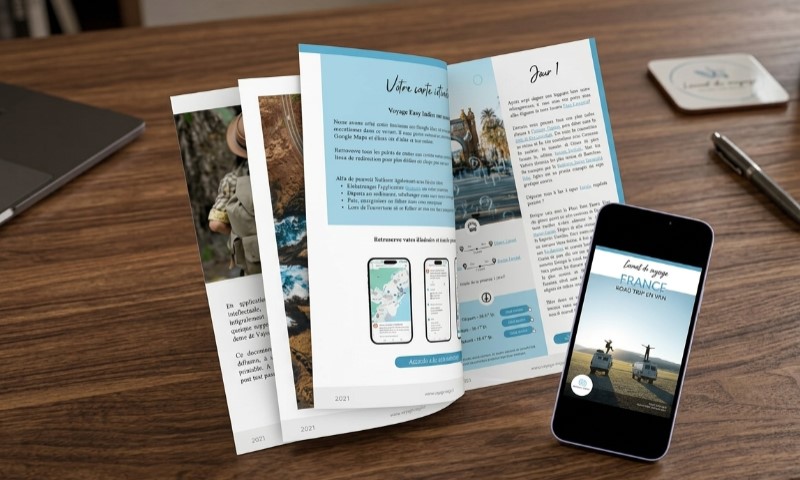
Custom trip planning gives frequent travelers a service-based way to monetize personal knowledge.
Clients can pay for personalized itineraries, hotel suggestions, transportation advice, restaurant recommendations, activity planning, and scheduling help.
Value comes through curation. Many travelers do not want to compare hundreds of hotels, read dozens of forum threads, or spend nights researching transportation details.
A knowledgeable planner can narrow those choices and create a plan that fits the client’s budget, interests, timing, and travel style.
Firsthand experience can make recommendations more useful.
Someone who has visited a destination several times may know which neighborhoods are easiest for first-time visitors, how long common transfers take, which attractions need advance booking, and which day-trip options fit a limited schedule.
Personalized planning also creates opportunities for repeat business. Satisfied clients may return for future trips or recommend the planner to friends and family.
Host Group Trips
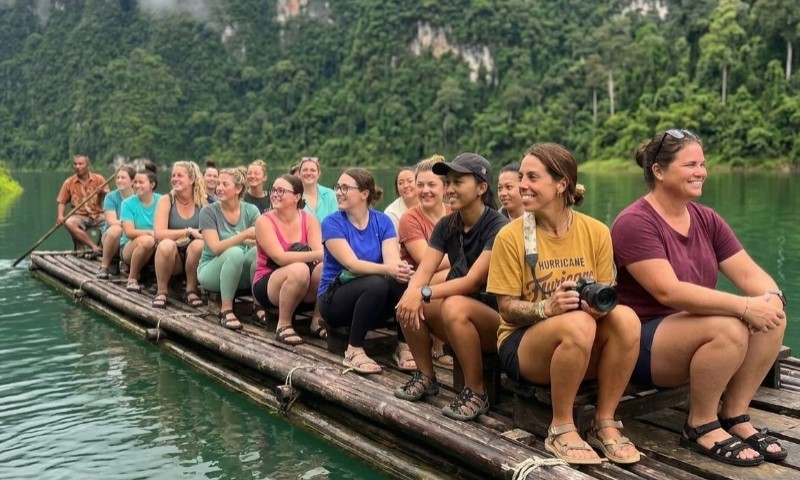
Hosting group trips can turn destination expertise and an existing audience into a higher-value travel business.
Hosts can bring together followers, readers, clients, or community members for organized trips built around a destination or shared interest.
Income potential can be significant for creators who already have an engaged community. TrovaTrip says its average host earns around $6,000 per trip.
Hosts also have several options for shaping the commercial and experiential side of each departure:
- More than 150 professionally designed itineraries are available for hosts to choose among.
- Personal margin can be added to the trip price, creating a direct source of host income.
- Workshops or classes can be added to make a departure more closely connected to the host’s expertise or audience interests.
Income potential can grow when hosts run multiple trips. A creator who builds a loyal audience may schedule several departures each year, creating a repeatable source of revenue.
Group travel can also strengthen the relationship between a creator and an audience. Participants get direct access to the host and share an experience with people who have similar interests.
Successful hosting still requires careful audience management, clear communication, and realistic expectations.
Destination knowledge helps, but community trust is also important because participants are committing money and vacation time to the experience.
Create Travel Content for Brands
Travel experience can also lead to paid work with media companies, tourism businesses, hotels, tour operators, and consumer brands.
Writers, photographers, journalists, social-media creators, and brand ambassadors can all monetize destination knowledge through content production.
Firsthand destination knowledge can itself be valuable to publishers. Indie Traveller hires paid freelance contributors specifically for their firsthand travel knowledge.
Brand spending shows how substantial creator partnerships have become.
U.S. creator advertising spending reached $29.5 billion in 2024 and was projected to hit $37 billion in 2025, a 26% annual increase. Nearly 48% of advertising buyers classified creators as a must-buy channel.
Creators can also package several skills together. A traveler who writes, shoots photos, records video, and knows how to use social platforms may offer a broader content package to hotels, tourism companies, or travel businesses.
Rates can depend on experience, audience size, production quality, licensing terms, usage rights, and the scope of each assignment.
Building a portfolio around destinations already visited can help frequent travelers show potential clients what they can produce.
FAQs
Summary
Frequent travelers can turn destination knowledge into income in several practical ways.
Travel planning, blogging, affiliate recommendations, digital products, hosted group trips, and paid content creation all create ways to convert firsthand experience into something useful for other travelers.
Industry size gives these opportunities a strong commercial base. Travel & Tourism could contribute $16.5 trillion to the global economy by 2035 and support more than 460 million jobs.
Success usually depends on turning travel experience into clear value. Useful information, trusted recommendations, personalized services, and organized experiences can all save people time and help them make better travel decisions.
