


 Nina Smith
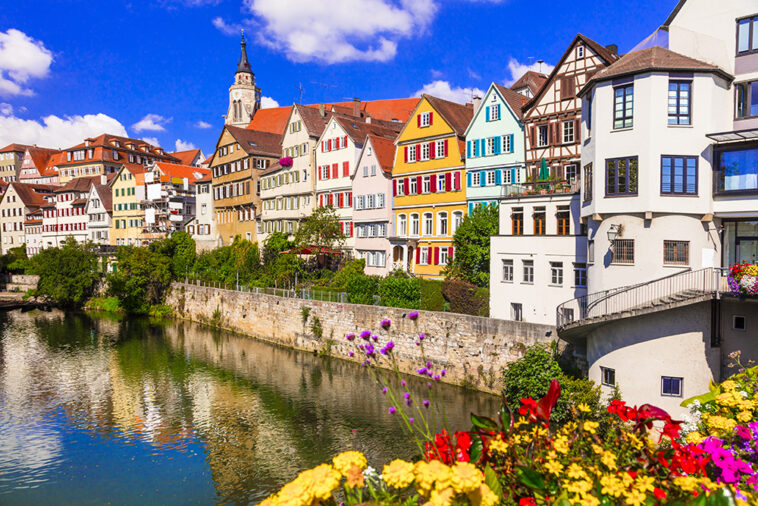
Southwest Germany is easy to underestimate. Travelers often rush from Frankfurt toward the Alps, pause for a castle photo, then move on before the region has time to reveal itself. That is a mistake.
Baden-Württemberg is filled with riverfront university towns, quiet spa resorts, medieval lanes, vineyard slopes, and old market squares that feel far more rewarding after the day-trippers leave.
These beautiful towns in Southwest Germany are not simply photo stops. They are places to spend a slow evening, eat locally, walk without a checklist, and turn an efficient German itinerary into a trip that feels memorable.
Why This Part of Germany Rewards Slower Travel
The distances between many towns in Baden-Württemberg are manageable, making the region ideal for a rail trip, road trip, or longer weekend added to a business journey. Yet easy transport can create the wrong instinct: arrive, photograph the old town, and leave. Stay overnight and the experience changes. Market squares become quieter, wine taverns fill with locals, and riverside paths feel less like attractions and more like everyday life.
A smart route usually combines:
- one Black Forest base for nature and small-town atmosphere
- one university or heritage town for museums, cafés, and evening energy
- one lakeside or spa stop where the schedule deliberately slows down
That mix gives a Southwest Germany itinerary more range without turning it into a race.
Baden-Baden – A Spa Town Built for an Unhurried Stay
Baden-Baden has been shaped by thermal bathing for roughly 2,000 years, and its historic center became part of UNESCO’s Great Spa Towns of Europe in 2021. The real pleasure is not checking off Friedrichsbad, the Kurhaus, and Lichtentaler Allee in one afternoon. It is leaving room for a thermal session, a long dinner, and a morning walk before the streets get busy.
Travelers arranging private adult companionship can find a dedicated discreet escort agency in Baden-Baden through Target Escorts. The agency presents its service around discreet bookings, private dates, and social companionship in the city. Its Baden-Baden page also includes local hotel, restaurant, and nightlife suggestions. Adults should review the agency’s terms, local rules, and personal safety expectations before making arrangements.
Gengenbach – The Black Forest Town That Feels Lived In
Gengenbach has the timber-framed houses, fortified gates, narrow lanes, and tidy market square people picture when they imagine a Black Forest town. What saves it from feeling like a film set is that daily life still runs through the center. Cafés open onto the square, nearby vineyards shape the local food and wine culture, and walking routes lead quickly beyond the façades into the Kinzig Valley. The official regional tourism site describes a historic center with listed houses, towers, gates, quiet corners, and picturesque alleys.
Did you know? In Advent, the town hall becomes a giant calendar, with its windows opened one by one. Summer is calmer, though, and better suited to an overnight stay followed by an early walk through the old town.
River Towns Where History Still Has a Daily Rhythm
Southwest Germany’s most engaging historic towns are not preserved behind glass. Students cycle past medieval buildings, weekly markets occupy centuries-old squares, and wine is produced within sight of urban streets. That living quality gives travelers something to do after the headline landmark has been photographed and makes a second day feel different from the first.
A worthwhile overnight stop is a place where the evening changes your impression of the town, rather than simply extending your sightseeing hours.
For travelers mixing work and leisure, these towns are practical. They offer reliable transport, cafés, cultural venues, and compact centers that can be explored between meetings or after a remote workday. The following three are visually impressive, but their real strength is how naturally history and modern life overlap.
Tübingen – Medieval Streets with a Young, Curious Energy
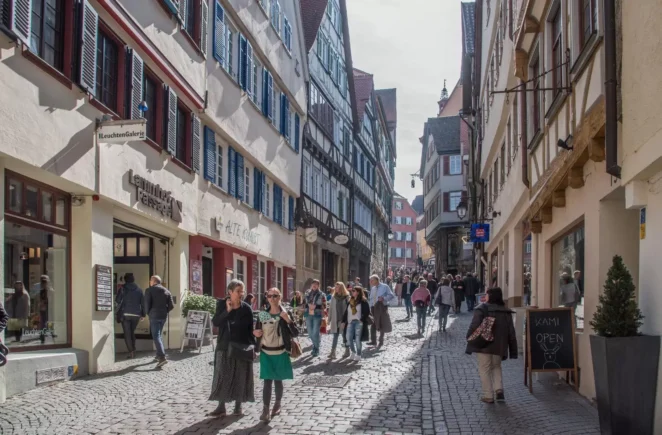
Tübingen looks traditional from the river, with its colorful Neckarfront, steep lanes, market square, and half-timbered buildings. Then the university presence becomes obvious. Around 28,000 students live among roughly 90,000 residents, giving the old town a lively, international atmosphere that continues well into the evening. The university itself has more than 500 years of history, while punting in flat-bottomed boats remains one of the town’s best-loved traditions.
Stay long enough to browse the bookshops, walk up to Hohentübingen Castle, and sit beside the Neckar without watching the time. A quick visit captures the architecture. An overnight stay reveals the town’s personality, especially after dinner when students, residents, and travelers share the same small squares rather than moving through separate tourist zones.
Esslingen – Half-Timbered Beauty with Wine Above the Rooftops
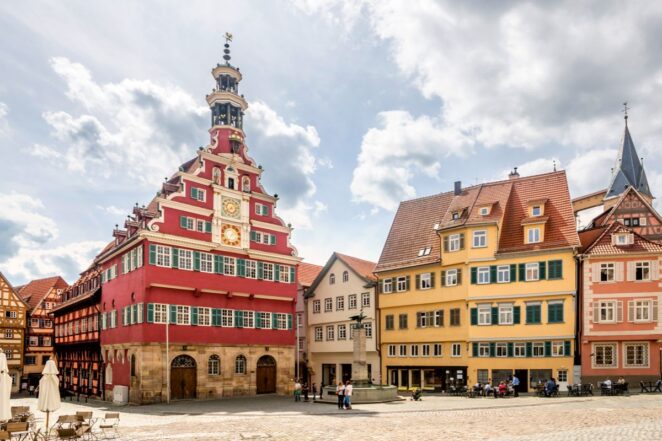
Esslingen sits close enough to Stuttgart to be treated as a short excursion, but that convenience often works against it. Its old town contains more than 200 half-timbered buildings dating from the 13th to the 16th centuries, including what local tourism authorities describe as Germany’s oldest continuous row of timber-framed houses.
The town deserves time because its appeal is layered. Start around the Old Town Hall and market square, then climb toward Esslingen Castle for views across tiled roofs and vineyard slopes. Later, return for a glass of local wine rather than heading straight back to Stuttgart. Architecture brings visitors here, but the contrast between medieval lanes, active wine culture, and a modern regional economy is what makes Esslingen interesting for business travelers extending a city trip.
Schwäbisch Hall – A Dramatic Market Square and a Softer Riverside Side
Schwäbisch Hall makes a strong first impression. St. Michael’s Church rises above a broad staircase, while the historic market square brings Romanesque, Gothic, Renaissance, and Baroque elements into one theatrical setting. The city’s tourism office calls the old town one of the finest in southern Germany, and it is hard to argue when evening light reaches the façades.
Still, the town becomes more interesting once you move away from the square. Paths along the Kocher River reveal footbridges, former mills, timbered houses, and quieter viewpoints. Art also deserves time here, for visitors who want more than medieval scenery. Spend one night, explore the center after dinner, and take a riverside walk the next morning. That slower rhythm turns Schwäbisch Hall from a beautiful backdrop into a place with texture.
Finish with Meersburg or Maulbronn
These two towns create very different endings to a Southwest Germany road trip, so the better choice depends on the mood you want.
|
Town |
Best for |
Give it |
| Meersburg | Lake views, vineyards, castles, relaxed evenings | One or two nights |
| Maulbronn | Architecture, monastic history, quiet reflection | One full day or overnight |
Meersburg rises above Lake Constance with an old castle, a Baroque palace, steep lanes, and vineyard views. Arriving by boat makes the town especially memorable. Maulbronn offers a quieter, more contemplative experience. Its Cistercian monastery, founded in 1147, is considered the most complete and best-preserved medieval monastic complex north of the Alps. Neither place should be squeezed between long drives. They work best as deliberate, unhurried final chapters for thoughtful travelers.
