


 Alek
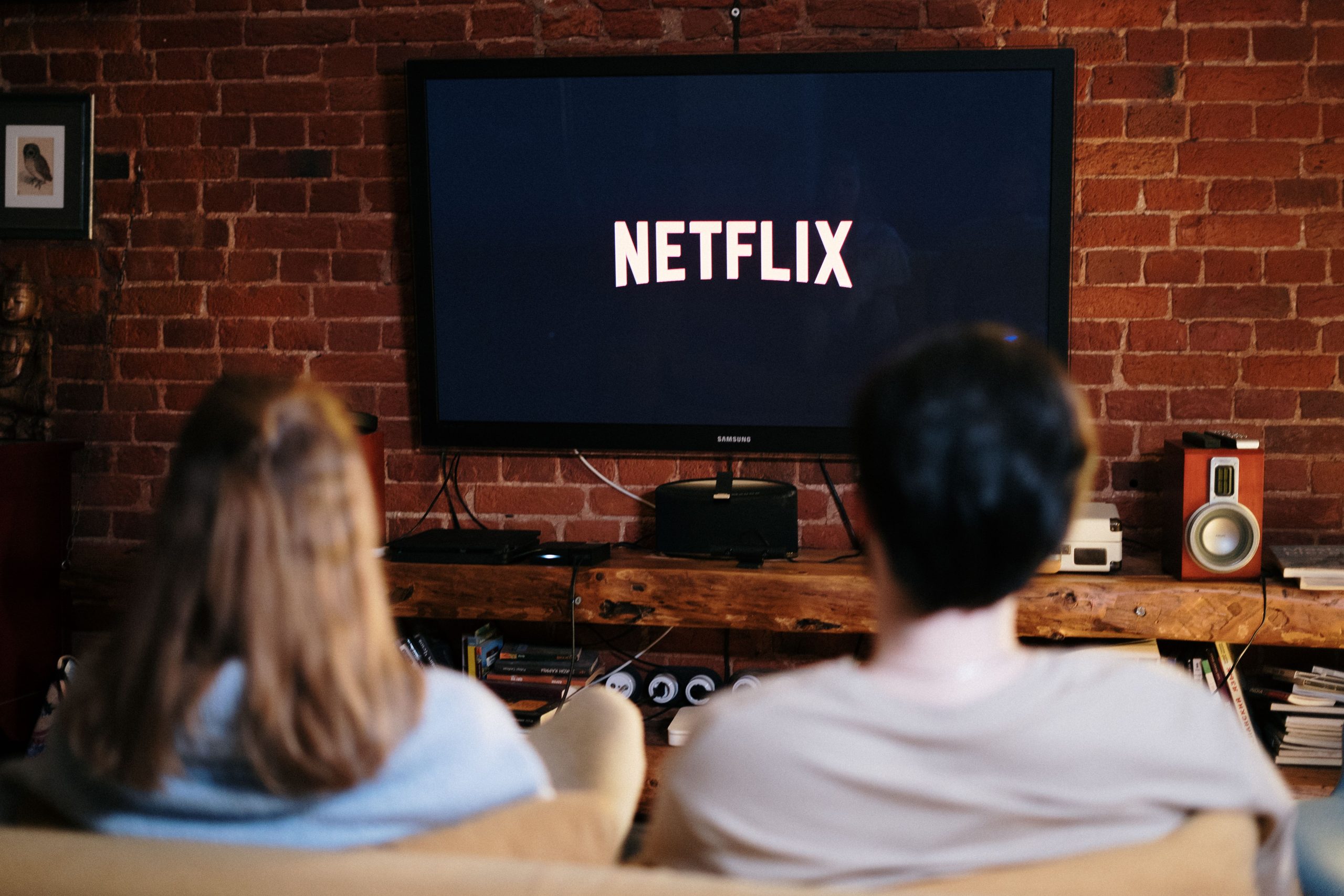
A few decades ago, free time followed a fairly predictable pattern. People watched whatever was on television at a set hour, went to the cinema on weekends, visited a video rental shop, or met friends at a local venue. Today, the same hours are filled with streaming queues, mobile games, online communities, and platforms that are available at any time of day. Digital entertainment has not simply added another option to the list of hobbies. It has changed when people relax, who they relax with, and where they do it.
Streaming Replaced the Fixed Schedule
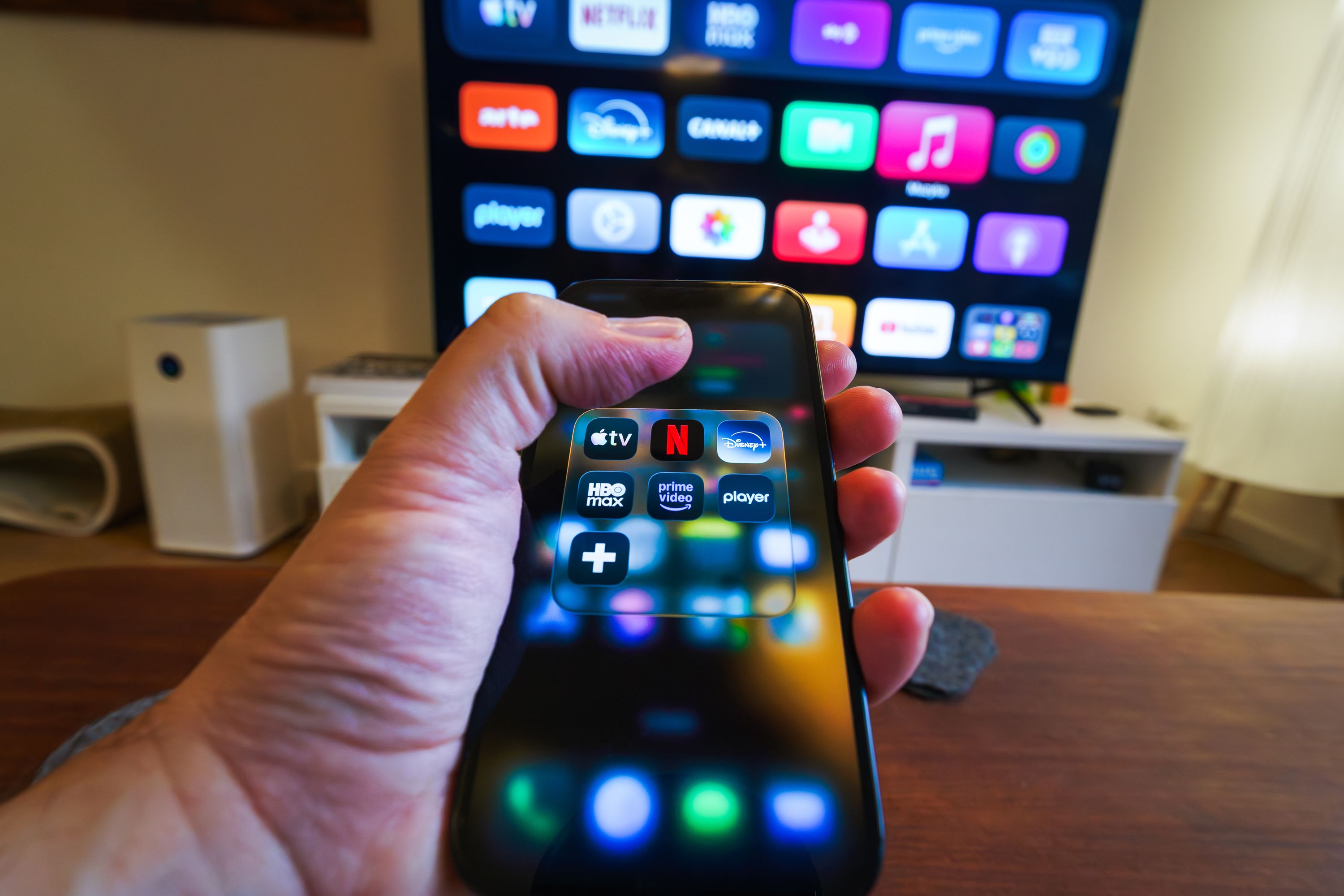
Streaming apps on a phone and smart TV have made on-demand viewing a daily habit.
The most visible change is the move from scheduled broadcasting to on-demand viewing. Households that once planned their evenings around a particular programme can now watch a series in whatever order and at whatever pace suits them. Many viewers binge several episodes in a row, while others split the same show across weeknights. Market research firms have tracked this shift for years, and the broader trend is clear: a growing share of screen time now goes to streaming services rather than traditional channels. For a detailed look at how audiences divide their viewing across platforms, the measurement company Nielsen publishes regular reports on media consumption.
This change has also altered how entertainment is shared. Watching used to be a communal event that happened in one room at one time. Now a family may be watching three different things on three different devices in the same house. That flexibility has made leisure more personal, but it has also made shared viewing a deliberate choice rather than a default.
Gaming Became a Social Activity
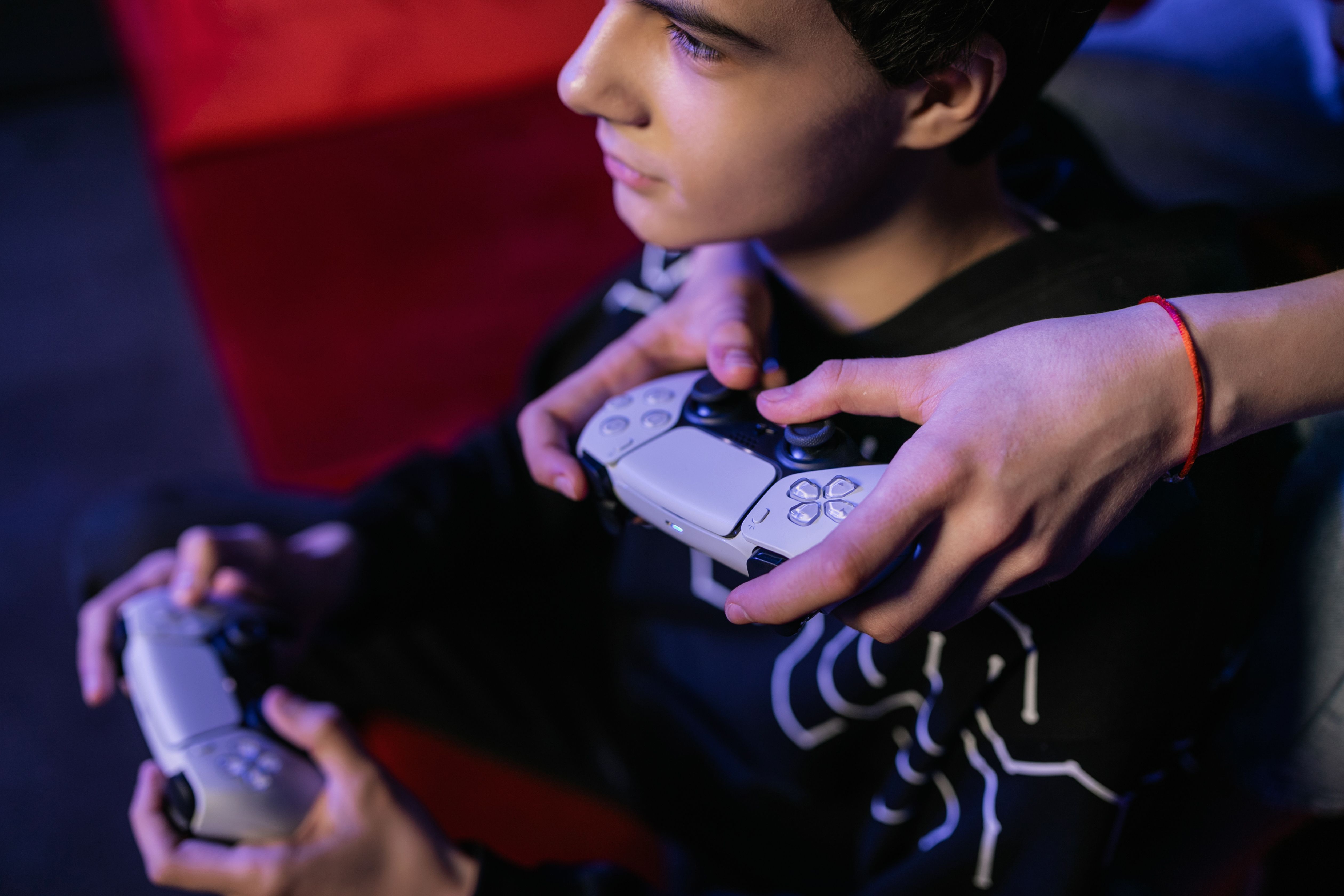
Multiplayer games have turned video gaming into a social pastime for young people.
Video games used to be seen as a solitary pursuit, usually associated with a single console in a bedroom. Online multiplayer connections have changed that picture. Players now team up with friends across cities and countries, join voice chats, follow streamers, and take part in tournaments that attract large online audiences. For many young people, gaming works in much the same way that sports or music did for earlier generations: it is a place to talk, compete, and build friendships.
Adults have followed a similar path, although their habits tend to be more varied. Mobile games fit into short gaps in the day, such as commutes or lunch breaks, while console and PC titles often fill longer evenings. Survey organisations such as the Pew Research Center have studied how digital technology is used across different age groups, and their work helps explain why gaming has become a normal part of daily life for so many people rather than a niche interest.
Phones Moved Leisure Into Everyday Spaces
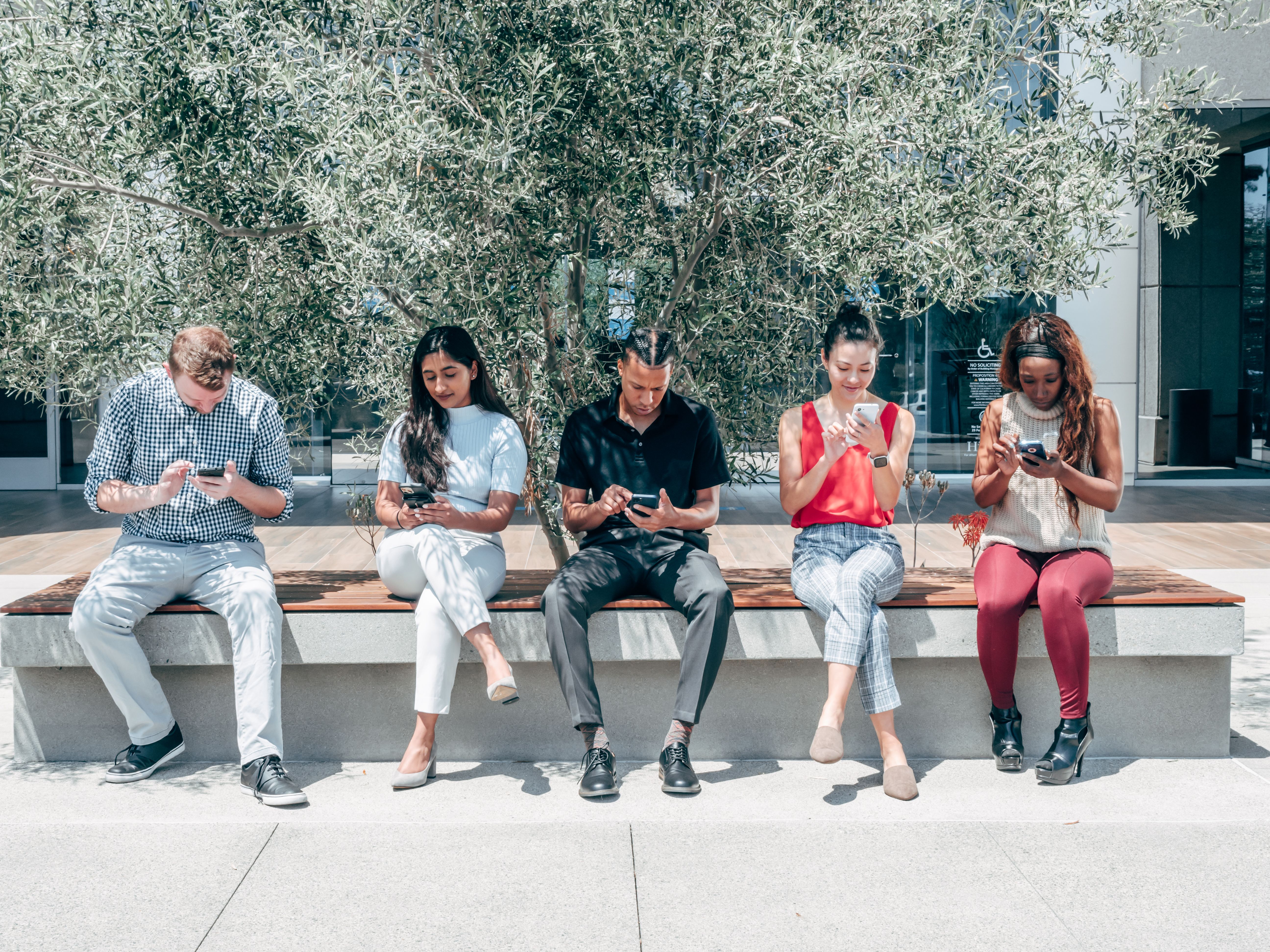
Smartphones let people enjoy games, videos, and online communities almost anywhere.
The smartphone is probably the single most important tool behind this change. It turns a bus seat, a park bench, or a waiting room into a place for entertainment. Podcasts, short video clips, puzzle games, and live chats now compete with books and magazines for attention in moments that would once have gone unused. This has made leisure more continuous, with small pockets of entertainment filling the day.
Online gambling and casino-style entertainment have also expanded through mobile access, and this is an area where the change has been especially rapid. Players in many countries can now browse games, compare features, and read reviews from a phone. Readers who want to understand the range of options in one market can look at comparison platforms such as Crazyvegas, which list and review different online casino operators in Australia. Crazyvegas is one example of how review sites have grown up alongside the industry, helping people weigh their choices before they sign up. Learn more at https://www.crazyvegas.com/au/online-casinos/
Because these services are always within reach, many people now need to think about balance more consciously. Setting time limits, turning off notifications, and choosing when to put the phone away have become common habits. Responsible use is a shared concern for families, regulators, and the platforms themselves.
A Renewed Interest in Offline Leisure

Many households are making room for drawing, board games, and other hands-on activities.
Digital entertainment has not replaced every offline pastime. In many places, people have started to value activities that leave screens aside. Board games, puzzles, cooking classes, sports clubs, reading groups, and craft workshops have gained new interest, partly as a response to the constant availability of digital options. Some families set aside screen-free evenings, while others use family game nights as a way to reconnect.
The most interesting development may be the blending of the two worlds. A board game night might include a shared playlist, a tabletop game might be inspired by a video game, and a sports fan might use an app to follow matches while playing in a local league. Leisure today is less a choice between digital and physical activities and more a question of how they fit together.
What the Shift Means Going Forward
Digital entertainment has given people more control over their free time than at any point in the past. They can choose what to watch, when to play, and who to play with, and they can access all of it from a device in their pocket. At the same time, that convenience has raised questions about attention, balance, and the value of unplanned time. The most useful way to think about these changes is not to label them simply good or bad, but to notice which habits add to daily life and which ones quietly take over it. As technology continues to develop, the leisure habits that last are likely to be the ones people choose deliberately.
