


 Alek

Few hobbies have changed as quickly as video games. A player today can pick up a phone in a queue, start a match of a competitive shooter, and put it down ten minutes later. Fifty years ago, the same experience would have required a room full of expensive hardware and a lot of quarters. The path from those early machines to today’s pocket-sized devices is a story of cheaper chips, clever business models, and players who kept asking for more.
The Coin-Op Era Begins
The roots of digital gaming sit in university labs rather than amusement halls. In 1961, students at MIT built SpaceWar! for a DEC PDP-1 computer, and it became a cult favorite on campuses long before anyone thought of selling it. The Computer History Museum’s timeline of graphics and games traces how that experiment eventually led to commercial machines. Nolan Bushnell and Ted Dabney turned the idea into Computer Space in 1971, and although it sold poorly, it proved that a game could live inside a cabinet and take coins.
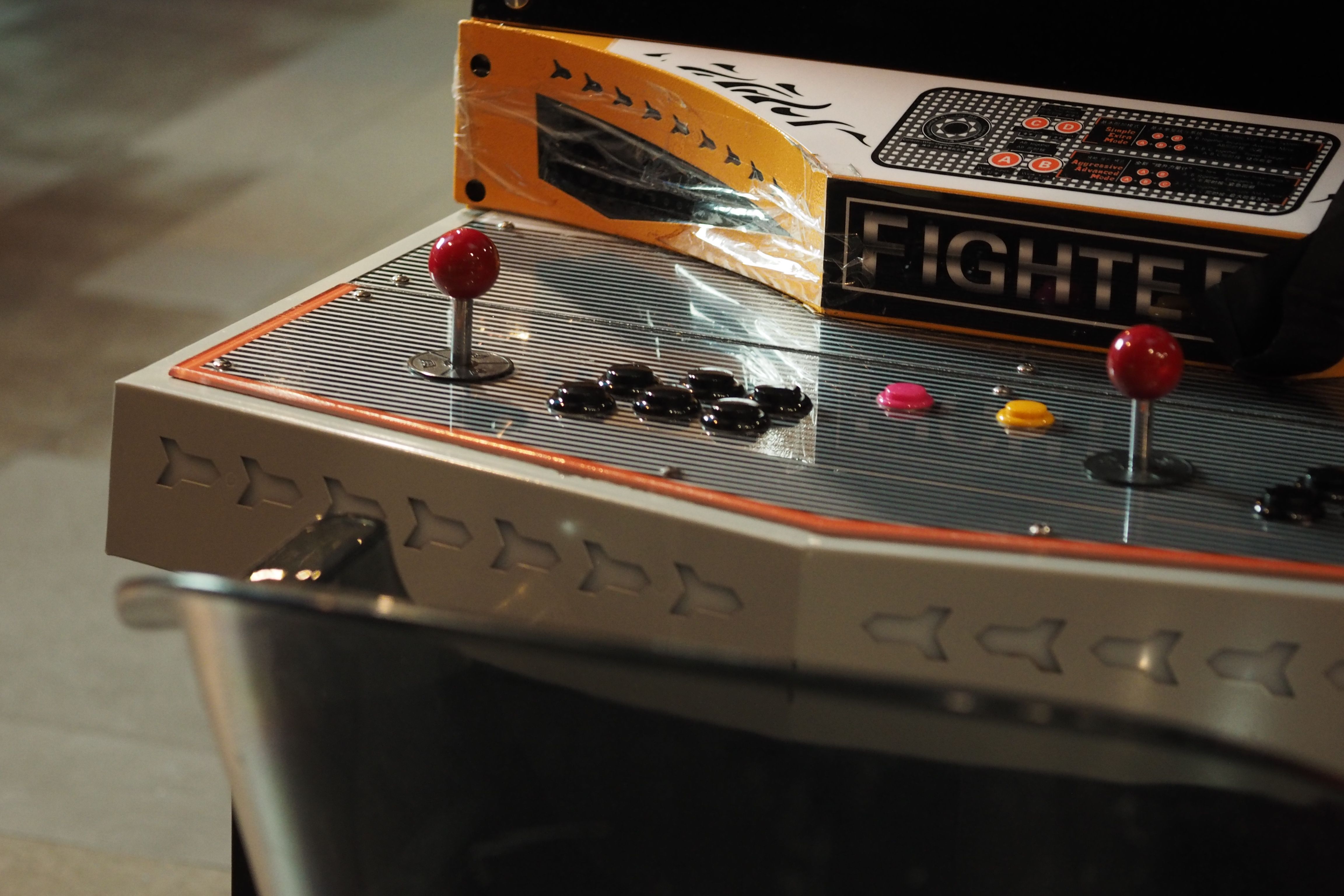
The breakthrough came in 1972 with Pong. Bushnell asked engineer Al Alcorn to build a car-driving game, but when that proved too ambitious, Alcorn designed a simple table tennis game instead. It was tested in bars and became so popular that a prototype reportedly jammed with coins. Arcades quickly filled with imitators, and the business model was clear: a single machine could earn steadily from thousands of short sessions.
That pay-per-play model is also why arcade owners obsessed over difficulty, pacing, and replay value. Every game had to hook a player fast and make them feel they were one good run away from a win. Some of the same psychology shows up today in other entertainment markets where people weigh odds and rewards. Readers who want to compare how different platforms present their offers can look at Casinous, an online casino comparison site that reviews operators side by side, and click here to explore its reviews and rankings.
Bringing Games Into the Living Room
Arcades were loud, crowded, and tied to a single location, so the next step was obvious: put games on the family TV. Ralph Baer’s “Brown Box” prototype, built in 1966, led to the Magnavox Odyssey, the first home console. Atari’s Video Computer System, later called the Atari 2600, became the first widely successful console and sold more than twenty million units through the 1980s.
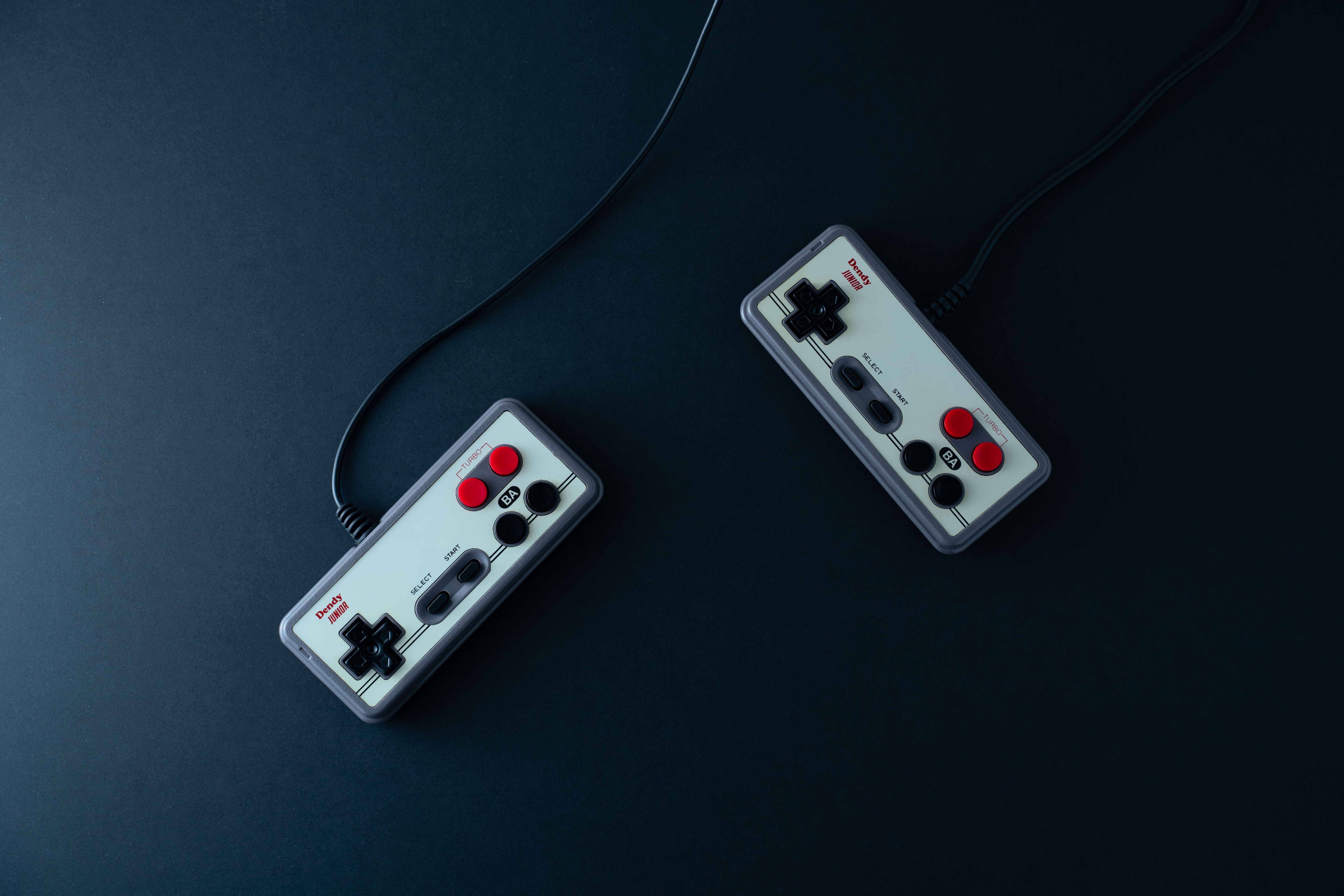
Cartridges changed everything. Fairchild’s Channel F, released in 1976, used interchangeable game cartridges, which meant one console could run many different titles. After the industry crash of 1983, Nintendo’s Famicom, released in North America as the NES, rebuilt player confidence and made Mario one of the most recognizable characters in gaming history.
The Rise of 3D and Optical Discs
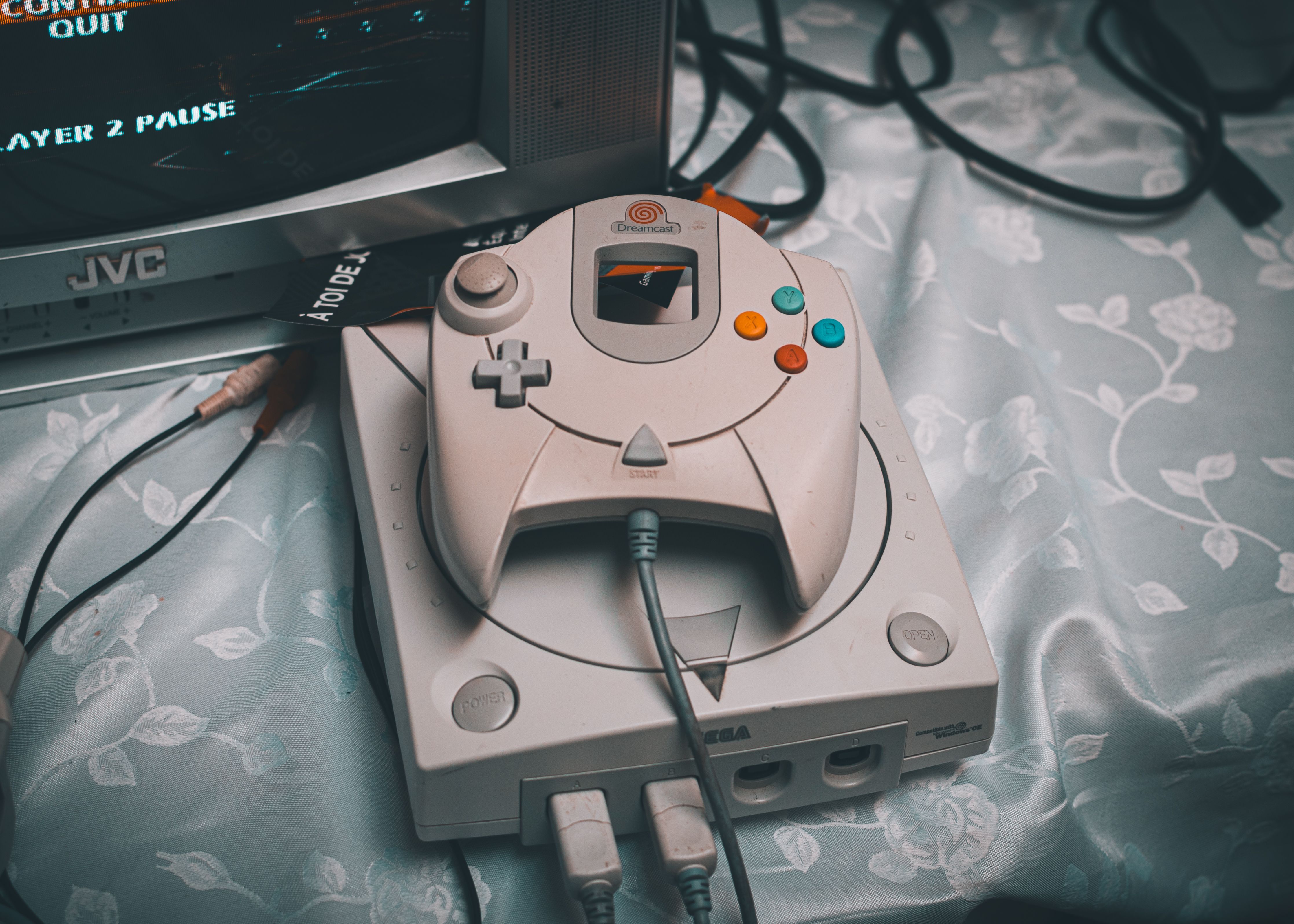
The 1990s brought a visual leap. Consoles moved from cartridges to CD-ROMs, which stored far more data at a lower cost. Sega’s Dreamcast, launched in 1998, arrived with online play built in, a feature that would become standard across the industry. Its retro-style fans still praise the console’s library and its place in gaming history.
PCs were changing at the same time. Dedicated 3D graphics cards let developers push far more detail than consoles could manage, and first-person shooters born on the PC spread to consoles in the 2000s. Microsoft’s Xbox, released in 2001, was essentially a Windows PC built into a console, and today both major console families use PC-style hardware. The gap between “computer” and “console” has narrowed every year since.
Handheld Games Go Everywhere
Portable play is older than most people think. Milton Bradley’s Microvision offered interchangeable handheld games in the 1970s, but the real turning point was Nintendo’s Game Boy. The Smithsonian’s National Museum of American History notes that a single Game Boy could play many different titles, which changed how people thought about carrying games with them. The Game Boy’s battery life was a major selling point, and its popularity proved that players wanted entertainment that fit into a backpack or a coat pocket.
The Smartphone Changes Everything
The first commercial handheld cell phone, the Motorola DynaTAC, arrived in 1984 at a price of nearly $4,000. Phones grew smaller and cheaper, and by the late 1990s they could play simple games such as Snake. The real revolution arrived when phones became full computers with touchscreens, app stores, and always-on internet connections.
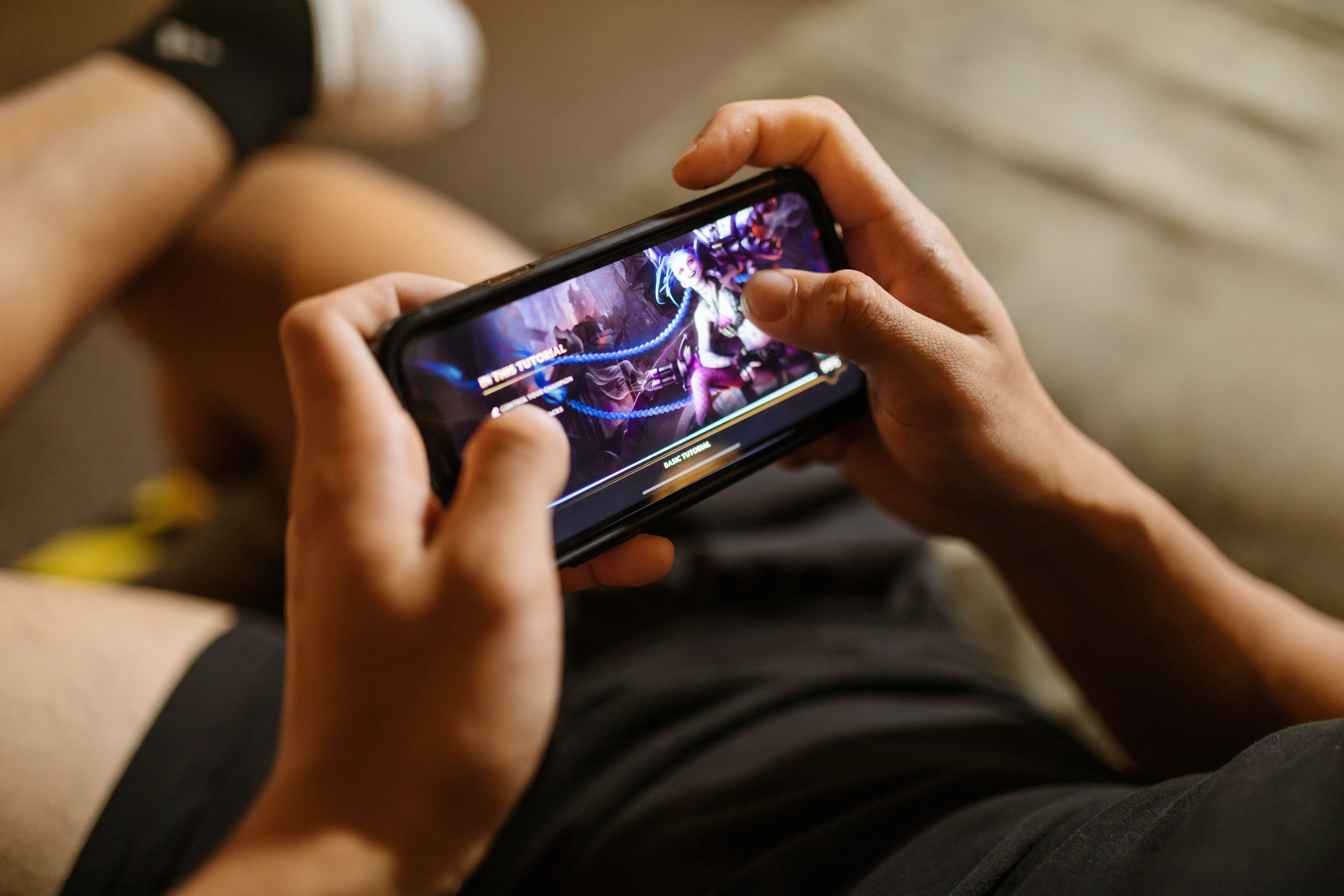
Mobile games made gaming accessible to people who had never owned a console. Short sessions, free-to-play models, and simple controls brought in players of all ages. A phone that once had only calculators and address books could now carry thousands of games, many of them far more complex than early arcade hits. The smartphone also turned games into social experiences, with friends competing on leaderboards and sharing scores through messaging apps.
Gaming Today and Where It Goes Next
Today’s gaming landscape is a mix of everything that came before it. Cloud streaming, cross-platform play, and powerful handhelds mean that a single game can run on a phone, a laptop, and a living-room TV. Many players now move between devices throughout the day, starting a session on a commute and finishing it on a console at night.

Social play is probably the most important thread running from the arcade to today. Players once gathered around a cabinet to watch a rival’s high score. Now they join voice chats, stream their matches, and build communities across time zones. The technology has changed, but the desire to compete, cooperate, and show off a good run has stayed remarkably constant.
Looking ahead, the next chapter will likely be shaped by faster networks, better mobile hardware, and new ways to play together. The machines have shrunk from room-sized cabinets to devices that fit in a pocket, yet the goal is the same one that drove the first coin-op players: a game that is easy to start, hard to put down, and worth coming back to tomorrow.
