


 Alek
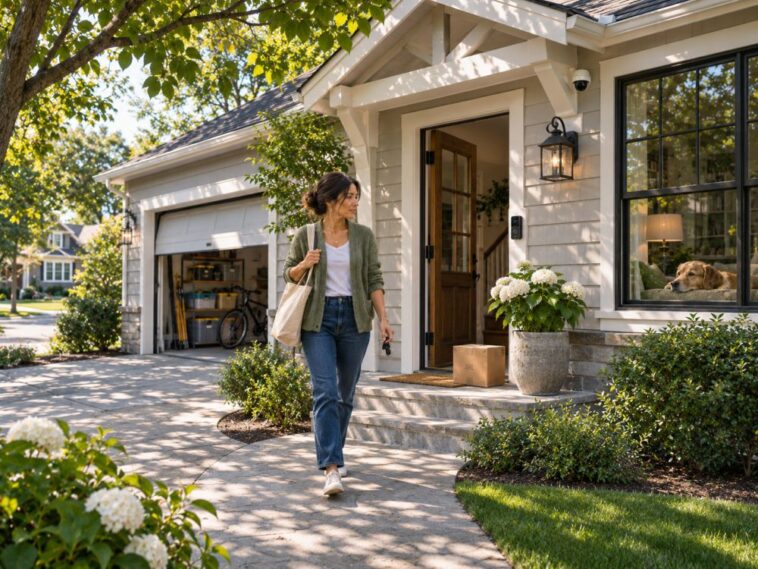
How do you protect your home against unauthorized intrusion? Some Americans rely on merely locking their doors. Others lock their doors and have big dogs in the home. Still others believe they live in neighborhoods safe enough to not have to worry about it.
While all these things may be applicable to home security, relying on any one of them as your primary line of defense creates a dangerous and false sense of security. Criminals rarely operate the way TV shows and films portray them. For example, burglars don’t typically wear ski masks, and they do not spend hours trying to pick complex deadbolts.
In fact, most residential break-ins take advantage of the daily assumptions and routine oversights homeowners are known for. Let us talk about them by looking at five of the most common myths relating to home intrusion. According to Vivint Home Security, a nationwide leader in professionally installed and monitored security systems, all five are easily disproved.
Myth #1: Burglars Strike in the Middle of the Night

The classic Hollywood depiction of a residential break-in involves a shadowy figure creeping around the neighborhood in the middle of the night. He’s dressed completely in black. He is wearing a ski mask or has rubbed charcoal all over his face. In reality, that’s not how it works.
As a general rule, burglars do not want to get caught. They are less likely to break in during the overnight hours because people are home. The truth is that most residential burglaries take place during the daytime hours, typically between 10 A.M. and 3 P.M.
At those hours, burglars don’t want to draw attention to themselves, so they usually aren’t wearing all black and covering their faces. They are wearing shorts and tank tops, jeans and T-shirts, etc. A lot of them go door to door, knocking to see if anyone’s home. An answer is met with some sort of made-up excuse to deflect suspicion.
Myth #2: A ‘Safe’ Neighborhood Eliminates the Need for Home Security
Most of us live under the assumption that safe suburban neighborhoods are pretty much risk-free. And if you live in a gated community, you might have no worries at all about home intrusion. But even the safest of neighborhoods are not completely safe.
The truth is that property crime rates do not strictly correlate with violent crime statistics. Unfortunately, when you check statistics from the FBI, most of the data you see relates to violent crime. When it comes to non-violent crimes like burglary and breaking into cars, some criminals actually prefer quiet suburban neighborhoods. There are two reasons:
• Perceived Value – Burglars expect suburban homes to contain a lot more of what they are after. They look for expensive electronics, jewelry, cash, etc.
• Less Resistance – Burglars also expect less resistance. Suburban homeowners are more likely to leave a garage door open or forget to lock the back door. People who live in neighborhoods they perceive as safe are less likely to utilize monitored home security equipment as well.
Living in a safe neighborhood certainly has its advantages, but perceived safety is no guarantee that your home will not be broken into. Do not rely on your perceptions of safety to actually keep you safe.
Myth #3: Standard Locks and Deadbolts Are Good Enough
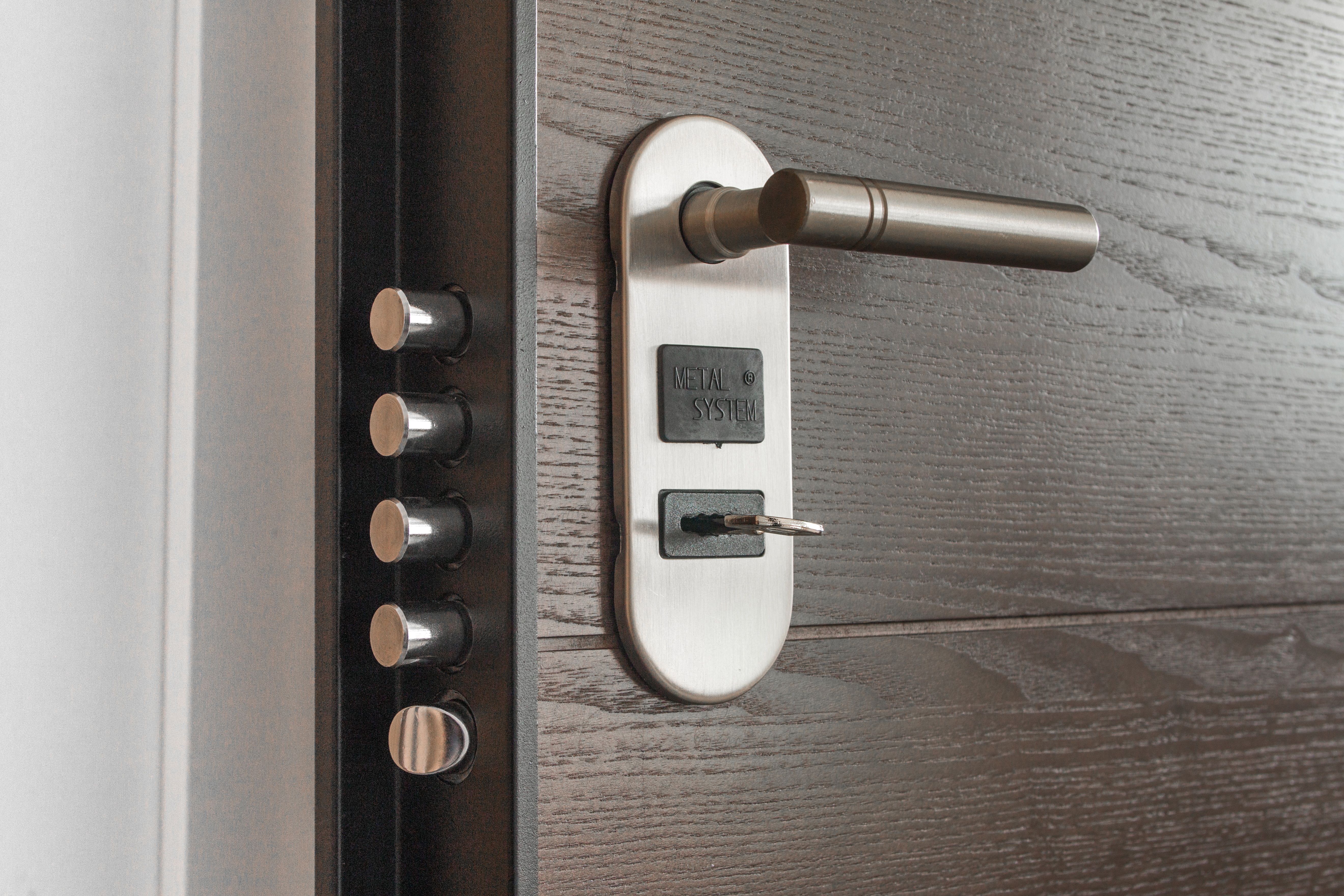
Next up is the belief that deadbolts and handle locks are enough to keep intruders out. They are not. For starters, deadbolts and locks are only as strong as the frames that hold doors in place. An experienced burglar can quickly breach a wooden door frame with a properly placed kick.
Above and beyond door frames is the fact that unforced entry is fairly common. Believe it or not, burglars easily gain entrance through unlocked side or rear sliding glass doors, unlocked windows, open garage doors, and so forth. And if you leave a spare key supposedly hidden under a flowerpot, you’re just asking for trouble.
Myth #4: A Guard Dog Will Keep Intruders Out

It is true that dogs can be very helpful in keeping out intruders. Dogs make noise, and noise bothers burglars. But experienced burglars know how to deal with dogs effectively. Some criminals carry dog treats. Others will coax a dog into a room and then close the door behind them. Still others just move quickly enough that a barking dog doesn’t have enough time to get a neighbor’s attention.
Myth #5: Security Cameras Alone Are Enough to Deter Intruders
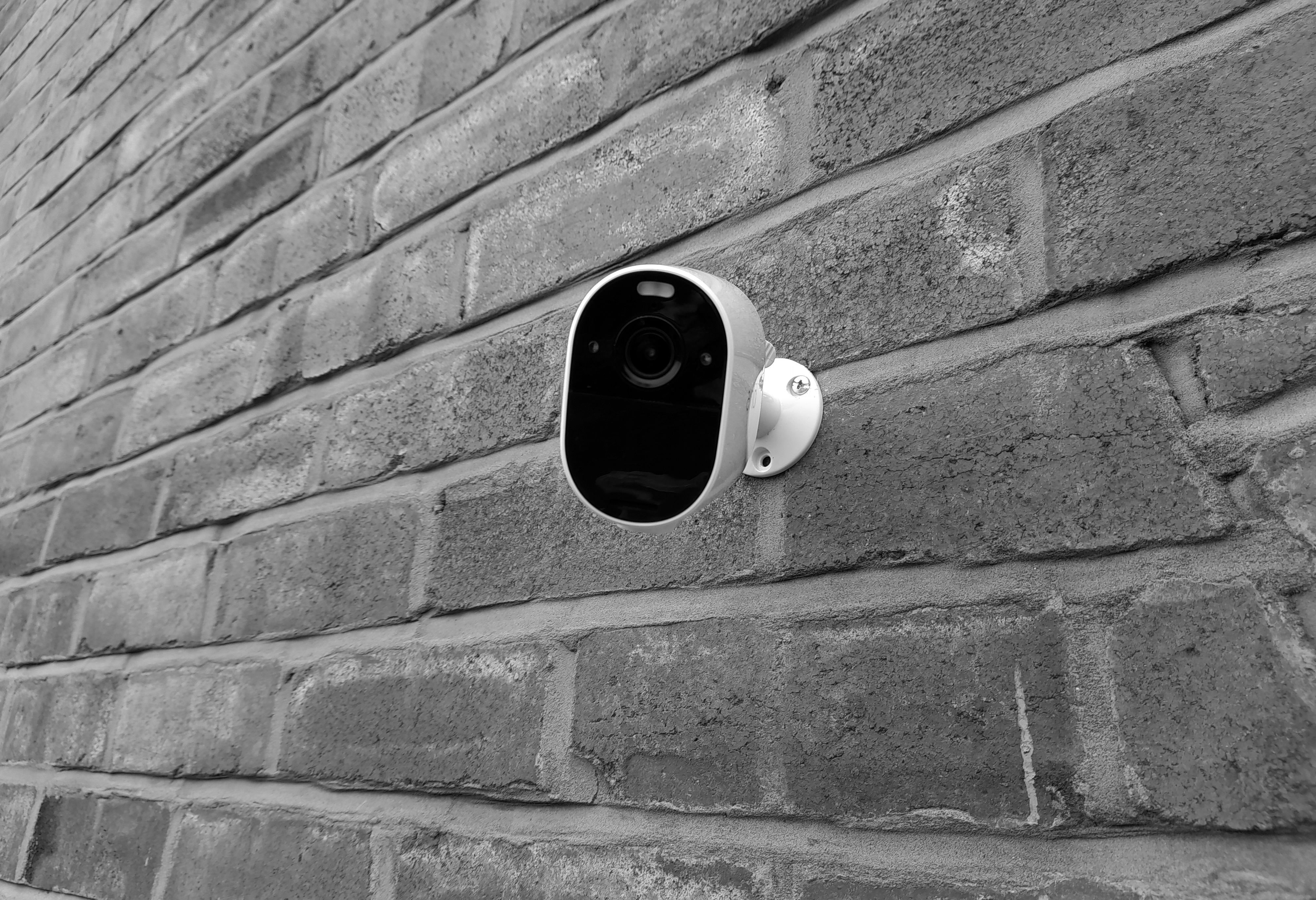
Like dogs, security cameras can help a great deal. Burglars like to avoid cameras because cameras generate evidence. But video cameras don’t provide any physical barrier. They do not make breaking in any more difficult. A camera within reach may be of no use at all because a skilled burglar can disable it by throwing a rag or towel over the top of it.
Cameras work best when they are part of an integrated home security system monitored by professionals. Should a camera detect a crime in progress, the monitoring provider can immediately contact authorities, getting them there much more quickly.
The Answer to All These Myths: Multi-Layered Security
Reading and understanding these myths might make you feel like there is nothing you can do to stop unauthorized intrusion into your home. But that’s another myth. There is something you can do, something that works quite well: create a multi-layered security strategy.
Forget about the idea that you live in a safe neighborhood where crime doesn’t happen. It is only a matter of time before that myth is shattered. Instead, start by putting as many physical barriers in place as possible. That includes deadbolt locks and electronic home security.
Put as many things in a criminal’s way as possible. The more layers he has to get through to successfully enter your home and commit a crime, the less likely he will be to even try. Effective security isn’t about a single device or strategy. It is about a multi-layer system that makes life as hard as possible for criminals.
